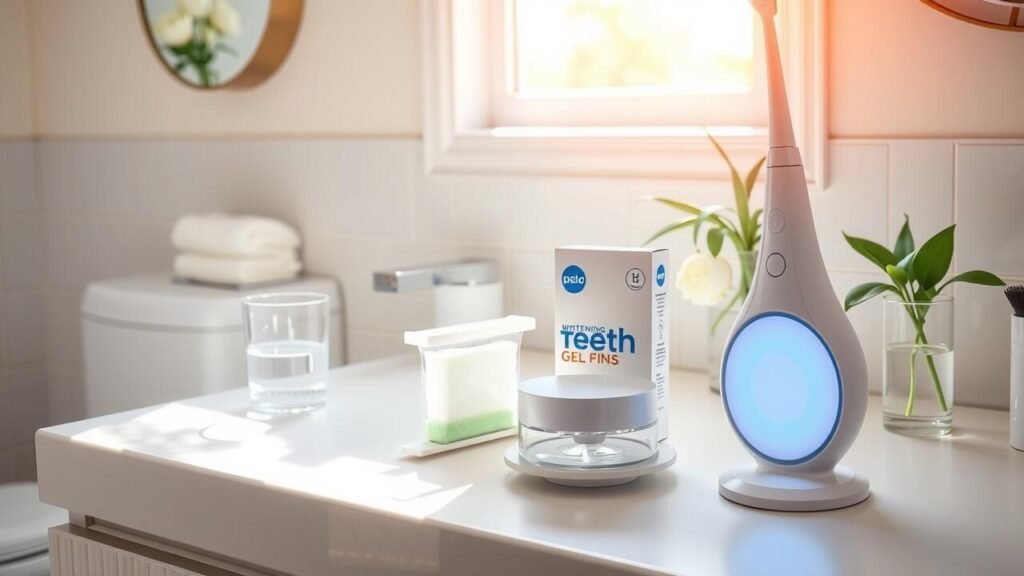
Popular Ingredients in Whitening Kits
Tooth whitening kits often contain a variety of active ingredients designed to remove stains and lighten tooth shade. Hydrogen peroxide is one of the most common components, known for its bleaching properties. It penetrates tooth enamel, breaking down the molecules that cause discoloration. Carbamide peroxide is another frequently used ingredient that releases hydrogen peroxide when it breaks down, providing a similar whitening effect but often at a slower pace.
Other ingredients such as sodium bicarbonate and activated charcoal may also be found in certain formulations. Sodium bicarbonate works as a mild abrasive to help polish teeth, while activated charcoal is thought to absorb impurities and stains. Some kits incorporate additional elements like potassium nitrate to reduce tooth sensitivity during and after the whitening process. These diverse ingredients cater to different preferences and sensitivity levels, making it important for consumers to choose a kit that best suits their needs.
The Role of Hydrogen Peroxide and Carbamide Peroxide
Hydrogen peroxide is a widely recognized whitening agent commonly found in various tooth whitening kits. It functions by releasing free radicals that penetrate the enamel and break down stains. This oxidation process leads to a noticeable brightening effect on teeth. The concentration of hydrogen peroxide in a product often determines its effectiveness, with higher concentrations typically yielding faster and more significant results. However, it is essential for users to follow instructions carefully to minimize potential side effects, such as tooth sensitivity or gum irritation.
Carbamide peroxide serves as an alternative to hydrogen peroxide and is often used in gel formulations. When applied, it breaks down into hydrogen peroxide and urethane, creating a similar whitening effect. This compound is particularly popular in at-home whitening kits due to its ability to deliver gradual results. Its slower release allows for longer wear times without immediate discomfort, making it a preferred option for those with sensitive teeth. Understanding the mechanisms of these active ingredients can help consumers make informed choices about which whitening kits to use.
Application Methods for Whitening Kits
Whitening kits come in various application methods, each designed to cater to different preferences and needs. Strips are one of the most popular options, featuring thin, flexible plastic strips coated with a whitening gel. These can be easily applied to the teeth and typically require a short wear time, making them a convenient choice for those with busy lifestyles. Another method includes trays, which can be pre-filled or custom-made. These trays fit snugly over the teeth and allow for more even application of the whitening agent, providing potentially better results compared to strips.
Gel applications have also gained popularity, either as part of a tray system or used with a brush or pen directly on the teeth. This method allows for precise application, ensuring that targeted areas receive adequate treatment. Many users appreciate the flexibility of gel systems, as they can be applied according to personal schedules. Overall, the choice of application method will depend on individual comfort, desired outcomes, and the extent of whitening needed.
Strips, Trays, and Gels Explained
Whitening strips are adhesive, thin plastic strips coated with a whitening gel. They are designed to conform to the shape of your teeth, ensuring even coverage of the whitening agent. Typically, these strips are worn for a designated time, usually ranging from 30 minutes to a couple of hours, depending on the product. Users appreciate their convenience and ability to deliver noticeable results after a week or two of consistent use.
Trays and gels offer another popular option for at-home whitening. Trays are custom-fitted or one-size-fits-all, and they hold a gel solution made primarily of hydrogen peroxide or carbamide peroxide. The gels penetrate the enamel and target stains effectively. Many users prefer trays for their coverage of all teeth, while the gel formulation can vary, providing options for stronger or milder treatments. This method may take longer for results to appear, but the end results often can be more dramatic.
Maintaining Your Bright Smile After Treatment
After achieving a brighter smile, it is essential to follow a regimen that helps maintain those results. Regular dental hygiene practices play a significant role. Brushing teeth twice a day with a whitening toothpaste can help prevent stain buildup. Flossing daily removes debris from between teeth, ensuring a more luminous appearance. Additionally, visiting the dentist for routine cleanings is beneficial for the long-term upkeep of whitening effects.
Diet choices also influence the longevity of your bright smile. Avoiding foods and drinks that are known to cause staining, such as coffee, red wine, and tobacco products, contributes to maintaining whiteness. When indulging in such items, rinsing your mouth with water afterwards can minimize potential discoloration. Staying hydrated and mindful of oral care will further enhance the effects of previous whitening treatments, ensuring your smile remains vibrant.
Best Practices for Long-Lasting Results
Maintaining a bright smile after using whitening kits involves adopting a few simple yet effective practices. Regular brushing twice a day with a whitening toothpaste can help remove surface stains while polishing the enamel. Additionally, incorporating mouthwash with anti-bacterial properties can aid in maintaining overall oral hygiene and freshness.
Limiting the consumption of foods and beverages known to stain teeth is crucial. Beverages like coffee, tea, and red wine can contribute to discoloration over time. It’s also beneficial to avoid smoking, as tobacco can significantly tarnish a smile. Regular dental check-ups can further assist in keeping teeth healthy and your smile looking its best.
FAQS
What are tooth whitening kits?
Tooth whitening kits are products designed to lighten the color of teeth and remove stains, utilizing various active ingredients such as hydrogen peroxide or carbamide peroxide.
How do I choose the right whitening kit for me?
When selecting a whitening kit, consider factors such as your dental sensitivity, the type of stains (surface vs. deep), application method (strips, trays, gels), and any recommendations from your dentist.
Are whitening strips effective?
Yes, whitening strips can be effective for many users. They are easy to apply and often contain similar whitening agents as other kits, making them a popular choice for at-home whitening.
How often should I use a whitening kit for optimal results?
Follow the manufacturer’s instructions, but most kits recommend using them daily or every other day for a specified duration, typically ranging from one week to a month.
Can I maintain my results after using a whitening kit?
Yes, you can maintain your bright smile by practicing good oral hygiene, avoiding stain-causing foods and beverages, and considering periodic touch-ups with a whitening kit as needed.
Related Links
best teeth whitening kit for beginners
Can you whiten your teeth while tanning?
What is the best teeth whitening for beginners?