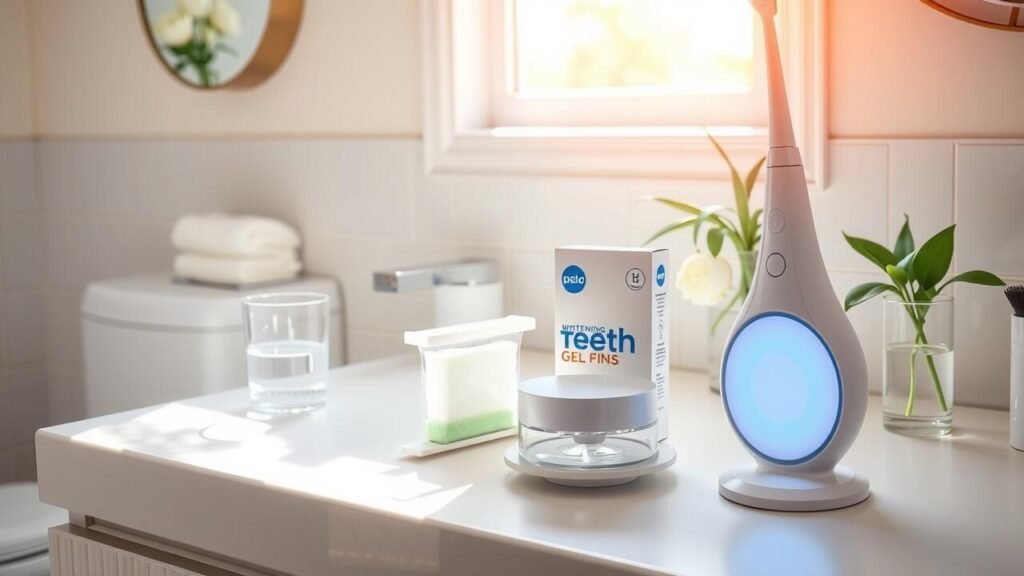
Safety Considerations
Teeth whitening can offer an effective way to enhance your smile, but safety should always be a priority. Many over-the-counter products are available, each with different active ingredients that may lead to sensitivity or irritation. It is essential to read labels carefully and choose products that align with your dental health. Consulting with a dentist before starting any whitening treatment can help identify the safest options tailored to your specific needs.
Incorrect use of whitening products can sometimes lead to adverse effects like gum irritation or enamel damage. Beginners should be cautious about following the manufacturer’s recommendations regarding application time and frequency. Individuals with dental concerns such as cavities or periodontal disease should seek professional advice to avoid complications. Prioritizing safety can ensure a more pleasant and effective whitening experience.
Common Side Effects and Precautions
Teeth whitening products can offer impressive results, but users should be aware of some common side effects. Sensitivity is a frequently reported issue, with some individuals experiencing discomfort while consuming hot, cold, or sweet foods and drinks. Gum irritation is also possible, particularly if the whitening product comes into contact with the gums. It is important to monitor these reactions closely and consider adjusting the frequency of use or switching to less intense formulations if symptoms persist.
To minimize potential complications, following the instructions provided with the whitening product is essential. Proper application techniques can help prevent excess exposure to sensitive areas of the mouth. Taking breaks between whitening sessions allows the teeth and gums to recover and reduces the risk of side effects. Consulting with a dental professional before starting any whitening regimen is advisable, especially for beginners who may have underlying dental issues that could be exacerbated by these treatments.
Tips for Maintaining Whiteness
Maintaining the brightness of your smile requires consistent habits and mindful choices. Regular brushing and flossing help eliminate stains caused by food and beverages. Incorporating whitening toothpaste into your routine can also provide an extra boost to your efforts. Drinking plenty of water throughout the day aids in rinsing away residue, while using a straw for dark drinks minimizes contact with teeth.
Diet plays a significant role in preserving tooth color. Limiting the consumption of staining substances such as coffee, tea, red wine, and certain berries can help keep teeth whiter for longer. Additionally, regular dental check-ups enable professionals to monitor your oral health and provide cleanings that remove surface stains. Adjusting habits gradually allows for a sustainable approach to maintaining a radiant smile.
Daily Habits to Preserve Your Smile
Maintaining a bright smile involves more than just occasional whitening treatments. Regular brushing and flossing are essential for removing plaque and preventing stains. It’s advisable to use a fluoride toothpaste designed for enamel protection. Consider incorporating an antibacterial mouthwash into your routine, as this helps to reduce bacteria that contribute to discoloration. Timing is also key; brushing after meals can significantly curb the effects of staining foods and beverages.
Diet plays a crucial role in the appearance of your teeth. Limit consumption of staining substances like coffee, tea, red wine, and dark berries. When you indulge, rinsing your mouth with water immediately afterward can reduce potential staining. Additionally, increasing your intake of crunchy fruits and vegetables can aid in naturally polishing your teeth. Regular dental check-ups will ensure that any issues are addressed promptly, giving you the best chance of maintaining that radiant smile.
Choosing the Right Product for Beginners
Selecting an appropriate teeth whitening product involves understanding the various options available. Beginners should consider starting with over-the-counter whitening strips or gels, as these are user-friendly and typically safe for individuals unfamiliar with more advanced techniques. These products often include clear instructions, enabling users to achieve noticeable results without the need for professional assistance.
Considering the ingredient list is essential when making a choice. Look for products containing hydrogen peroxide or carbamide peroxide, as these are effective whitening agents found in many reputable brands. It’s also beneficial to check for ADA (American Dental Association) approval, as this certification indicates that the product has met specific safety and efficacy standards, making it suitable for novices.
Factors to Consider Before Buying
When selecting a teeth whitening product, it is essential to consider the active ingredients used in the formulation. Products containing hydrogen peroxide or carbamide peroxide are commonly found in over-the-counter options and are often effective in removing stains. However, the concentration levels can vary significantly. Beginners should opt for lower concentrations to assess sensitivity and effectiveness while gradually moving to higher strengths if desired results are not achieved.
Additionally, the format of the whitening product plays a crucial role in the user experience. Options range from whitening strips and gels to mouth trays and toothpastes. Each method has its own application process and whitening timeframe. Beginners may prefer strips or ready-to-use trays, as these tend to be more user-friendly and require less commitment compared to custom trays. Choosing a product that fits comfortably into one’s routine increases the likelihood of consistent use and better results.
FAQS
What are the safest teeth whitening options for beginners?
For beginners, some of the safest teeth whitening options include hydrogen peroxide-based whitening strips, gels, and toothpaste that are approved by dental associations. It’s essential to follow the instructions and start with lower concentrations to minimize any risks.
How often should beginners use teeth whitening products?
Beginners should typically use teeth whitening products as directed by the manufacturer. Most products recommend usage ranging from once a day to a few times a week. It’s crucial to avoid overuse to prevent tooth sensitivity and gum irritation.
Are there any common side effects of teeth whitening for beginners?
Yes, common side effects can include tooth sensitivity, gum irritation, and uneven whitening. If you experience severe discomfort or prolonged sensitivity, it’s advisable to discontinue use and consult a dental professional.
How can I maintain my teeth whiteness after treatment?
To maintain your teeth whiteness, practice good oral hygiene by brushing and flossing regularly, avoid foods and drinks that stain teeth (like coffee and red wine), and consider using whitening toothpaste to help preserve your smile.
Should I consult a dentist before starting teeth whitening?
Yes, it’s recommended to consult a dentist before starting any teeth whitening treatment, especially if you have sensitive teeth, gum issues, or any dental restorations. A dentist can help you choose the most appropriate whitening method for your needs.
Related Links
best teeth whitening kit for beginners
Can you whiten your teeth while tanning?
What are the most recommended tooth whitening kits?