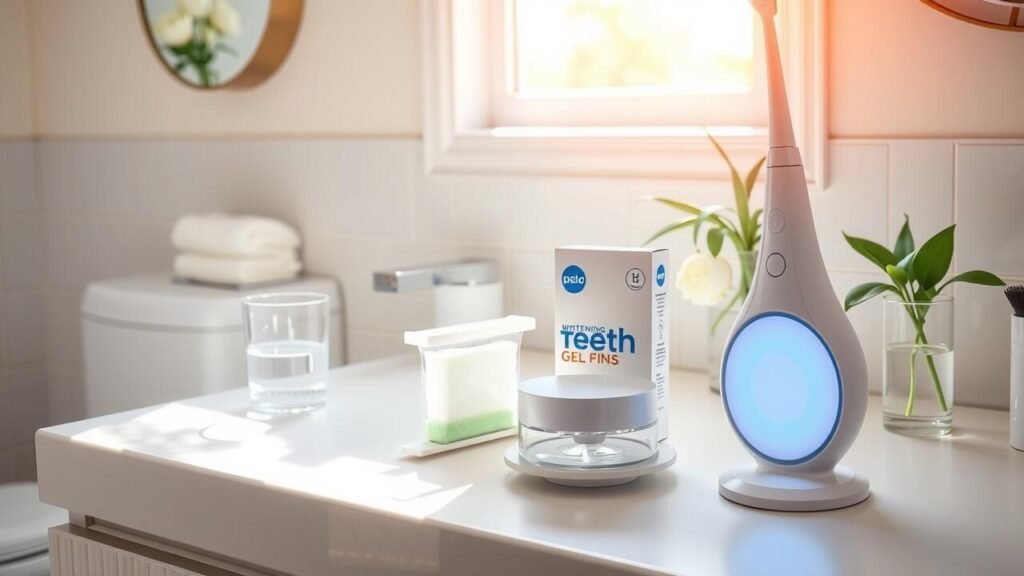
Natural Teeth Whitening Alternatives
Many people seek out natural remedies to help brighten their smiles without the use of harsh chemicals. Baking soda stands as a popular option due to its mild abrasive properties, which can aid in removing surface stains. Another common alternative is activated charcoal, known for its absorbent qualities; it can bind to substances that discolor teeth. Additionally, certain fruits like strawberries and lemons possess natural acids that may provide a whitening effect when used carefully in moderation.
Herbs and oils present another avenue for teeth whitening. Coconut oil pulling has gained attention for its potential to reduce plaque and enhance oral hygiene. Other natural ingredients, such as apple cider vinegar and hydrogen peroxide, are also explored by those looking for at-home solutions. While these alternatives may offer some benefits, it’s important for individuals to maintain realistic expectations. Regular dental check-ups are vital to ensure that any chosen method is safe and effective for maintaining dental health.
Exploring Home Remedies
Many individuals seek natural solutions for teeth whitening, turning to common household ingredients that may brighten their smile. Baking soda is a popular choice due to its mild abrasive properties. It can help remove surface stains, especially when combined with hydrogen peroxide, which also possesses whitening capabilities. Another frequently used remedy is activated charcoal, known for its absorbent qualities. Some people brush with activated charcoal in hopes of drawing out stains from their enamel.
Coconut oil pulling has gained traction in recent years as a holistic approach to oral health. Users swish the oil in their mouths for several minutes, which proponents believe helps whiten teeth while also promoting overall dental hygiene. Citrus fruits like lemon and orange are used in various mixtures for their natural acidity, although they should be approached with caution due to potential enamel erosion. Each of these methods presents an alternative to conventional whitening products, though results can vary significantly from person to person.
The Role of UV Exposure
Ultraviolet (UV) exposure can influence the perception of teeth color in various ways. Tanning under UV rays may alter the overall aesthetics of an individual’s smile. Darker skin tones can create a contrast with the whiteness of teeth, making them appear brighter. This effect is purely visual and does not actually change the underlying tooth structure or pigmentation.
Prolonged UV exposure carries potential health risks, especially concerning skin damage and increased chances of skin cancer. While the cosmetic benefits of a tanned appearance may be appealing, they should not overshadow the importance of protecting one’s skin. Moreover, any perceived enhancement in teeth brightness due to tan may be temporary and should not replace effective oral hygiene practices or professional whitening methods.
Impact on Teeth Coloration
Exposure to UV light can have varying effects on the coloration of teeth. While it may enhance the appearance of tanned skin, it does not directly affect tooth color. Teeth can naturally darken over time due to factors like age, diet, and oral hygiene habits. Certain foods and beverages, particularly those high in acidity or pigment, can stain teeth and alter their shade.
The impact of UV exposure on overall dental aesthetics should not be overlooked. Tanning can create a stark contrast with teeth that have become discolored. This discrepancy may lead individuals to consider teeth whitening options to achieve a more balanced appearance. When combined with adequate dental care and attention to dietary choices, maintaining a bright smile becomes more feasible, even during periods of sun exposure.
Professional Teeth Whitening Options
When seeking effective teeth whitening solutions, many individuals turn to professional methods offered by dental practitioners. These treatments typically involve stronger whitening agents compared to over-the-counter options. Dentists often use hydrogen peroxide or carbamide peroxide in higher concentrations, enabling quicker and more noticeable results. Patients can choose between in-office procedures, which can provide immediate whitening effects, or take-home kits customized by their dentist.
Over the years, various in-office treatments have gained popularity due to their reliability and effectiveness. Laser whitening is one common option, where a special light enhances the action of the whitening agent for rapid results. Another approach involves the use of whitening gels applied to the teeth after protective barriers are placed to shield the gums. Both methods generally produce significant improvements in tooth shade, making them favored choices for those looking to achieve a brighter smile swiftly.
Comparing In-Office Treatments
In-office teeth whitening treatments offer a variety of methods tailored to individual needs. Many dental practices employ powerful bleaching agents that can significantly lighten teeth in just one session. This approach ensures results that are often more immediate and dramatic compared to over-the-counter options. Dentists may also use advanced technology, such as laser treatments, to enhance the effectiveness of the whitening process.
Another advantage of professional whitening is the personalized care provided throughout the treatment. Dentists assess the patient’s dental history, perform an examination, and determine the most suitable method for achieving optimal results. With professional supervision, concerns about sensitivity and safety are addressed, creating a more comfortable experience. Additionally, the results achieved in a clinical setting often last longer than those from at-home treatments, making them a preferred choice for many seeking a brighter smile.
FAQS
Can I safely whiten my teeth while tanning?
Yes, you can whiten your teeth while tanning, but it’s important to ensure that the whitening method you choose is safe and does not cause sensitivity, especially when combined with UV exposure.
What natural teeth whitening alternatives can I use?
Natural alternatives include baking soda, activated charcoal, and hydrogen peroxide. These can help brighten teeth but should be used cautiously to avoid enamel damage.
How does UV exposure affect teeth coloration?
UV exposure from tanning can lead to changes in teeth coloration, potentially making them appear duller. It’s advisable to use teeth whitening methods that are compatible with your tanning regimen.
What are some professional teeth whitening options?
Professional options include in-office treatments such as laser whitening or custom whitening trays provided by a dentist, which can deliver more effective results than over-the-counter methods.
Are there any risks associated with whitening my teeth while tanning?
Yes, there are risks such as increased tooth sensitivity or gum irritation, especially if you are using strong whitening agents. It’s best to consult with a dental professional for personalized advice.
Related Links
best at home teeth whitening kit
What is the most effective at home teeth whitening kit?
Can yellow teeth turn white again?
Can yellow teeth turn white again?