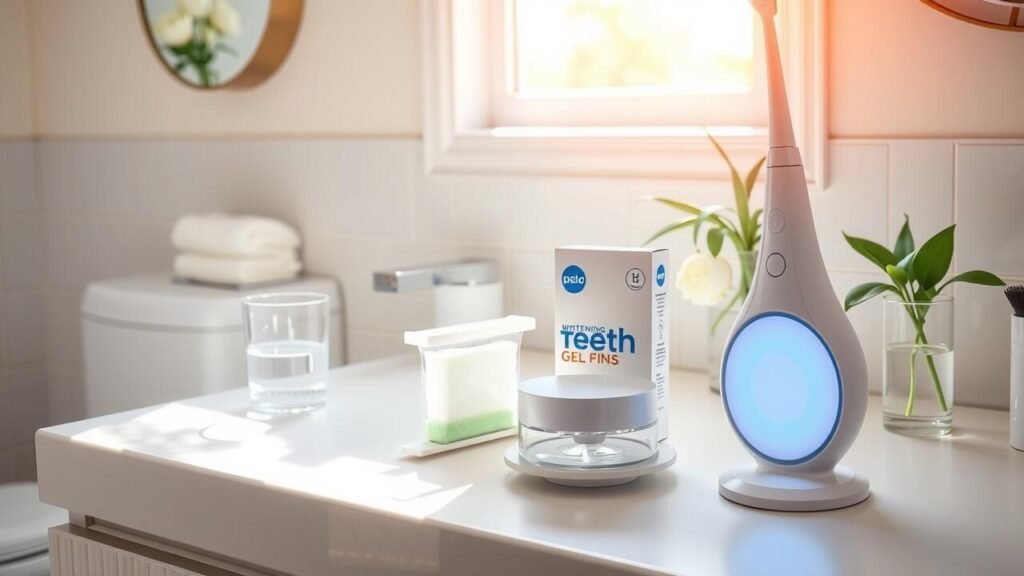
Light and Laser Treatments
Dentists often employ light and laser treatments to enhance the effectiveness of whitening procedures. These methods utilize a high-intensity light source to activate whitening agents applied to the teeth. The light or laser increases the temperature of the whitening agent, speeding up the chemical reaction that breaks down stains. Typically, these treatments yield noticeable results in a shorter time frame compared to traditional whitening methods.
Patients seeking quicker and more dramatic results find these treatments appealing. Professionals tailor the intensity of the light based on individual needs and specific treatments. While procedures vary in duration, most last between 30 to 60 minutes. Safety protocols are also in place to protect surrounding tissues during the process.
How Light Accelerates Whitening
Light treatments for teeth whitening involve the use of specific wavelengths that activate whitening agents in professional-grade gels. These gels typically contain hydrogen peroxide or carbamide peroxide, which break down stains on the enamel when stimulated by light. The application of light enhances the chemical reaction, allowing the whitening agents to penetrate deeper into the tooth structure and produce more effective results in less time.
Different types of light sources may be used in these procedures, including LED lights and laser technology. These options create heat and energy that further accelerate the whitening process. Patients often experience immediate improvement after their sessions, with visible results typically achieved within a single visit. Such treatments are designed to minimize the wear and tear on enamel while maximizing the overall efficacy of the whitening agents used.
Home Whitening Options
Many people seek to enhance their smile through safe and effective at-home whitening products. Over-the-counter whitening strips, gels, and toothpaste can offer noticeable results, often containing peroxide-based ingredients that help to lift stains from the enamel. These products vary in strength and application method, catering to individual preferences and sensitivity levels. Users typically see gradual improvement after consistent usage over a few weeks.
Customizable options like professional-grade whitening kits can also be obtained for home use. Dentists often provide personalized trays and stronger whitening solutions that allow for more controlled application. These kits may yield faster and more dramatic results compared to store-bought alternatives. Incorporating such kits into one’s oral care routine can be effective, but users should always follow professional guidance to ensure safety and optimal outcomes.
Professional Recommendations for At-Home Kits
Dentists often recommend specific at-home whitening kits that have been clinically tested and proven effective. These kits typically contain professional-grade whitening agents, such as carbamide peroxide or hydrogen peroxide, in concentrations that are safe for home use. Custom-fitted trays, which ensure an even application of the whitening gel, may also be included. This tailored approach not only enhances effectiveness but also minimizes the risk of gum irritation.
Online reviews and dentist consultations can help individuals choose the right product for their needs. Kits with a lower concentration of bleaching agents may be suggested for those with sensitive teeth. Dentists also emphasize the importance of following the manufacturer’s instructions carefully to achieve the desired results while safeguarding oral health. Regular check-ups can further aid in maintaining the effects of whitening treatments.
Potential Side Effects
Teeth whitening treatments can lead to some side effects, which are important to consider before undergoing a whitening procedure. Common symptoms include increased tooth sensitivity, as individuals may experience discomfort when consuming hot or cold foods and beverages. This sensitivity often occurs due to the whitening agents penetrating the enamel, temporarily affecting the nerve endings in the teeth.
In addition to sensitivity, gum irritation is another potential side effect. Whitening gels can irritate the soft tissues of the mouth if they come into contact with the gums. This irritation may manifest as redness, swelling, or a burning sensation. It is essential for individuals to follow the guidelines provided by dental professionals to minimize these risks and ensure a safe whitening experience.
Sensitivity and Gum Irritation
Whitening treatments, whether professional or at-home, can sometimes lead to increased tooth sensitivity. This condition occurs when the inner layer of the teeth becomes more exposed, often a result of the whitening agents penetrating the enamel. People may experience sharp pain or discomfort, especially when consuming hot or cold foods and beverages. The severity and duration of this sensitivity can vary among individuals.
Gum irritation is another potential side effect associated with whitening procedures. The chemicals involved, particularly those in potent formulas, can cause inflammation or discomfort in the gums if they come into direct contact. Proper application techniques and following guidelines minimize this risk, yet some individuals may still experience mild irritation. Awareness of these potential effects is crucial for anyone considering teeth whitening options.
FAQS
What are the most common professional treatments dentists use to whiten teeth?
Dentists commonly use light and laser treatments as well as professional-grade bleaching agents to effectively whiten teeth.
How does light enhance the teeth whitening process?
Light accelerates the whitening process by activating the whitening agents, allowing them to penetrate the enamel more effectively and achieve quicker results.
Are at-home whitening kits as effective as professional treatments?
While some at-home kits can be effective, they usually contain lower concentrations of whitening agents compared to those used by professionals, leading to slower results.
What side effects should I be aware of with teeth whitening?
Potential side effects include tooth sensitivity and gum irritation, which can vary in severity depending on the individual and the treatment used.
How long do the effects of professional teeth whitening last?
The effects of professional teeth whitening can last anywhere from six months to two years, depending on individual dental hygiene habits and lifestyle choices.
Related Links
best teeth whitening trays
Can you whiten if you have gum disease?
What are the best teeth whitening trays?