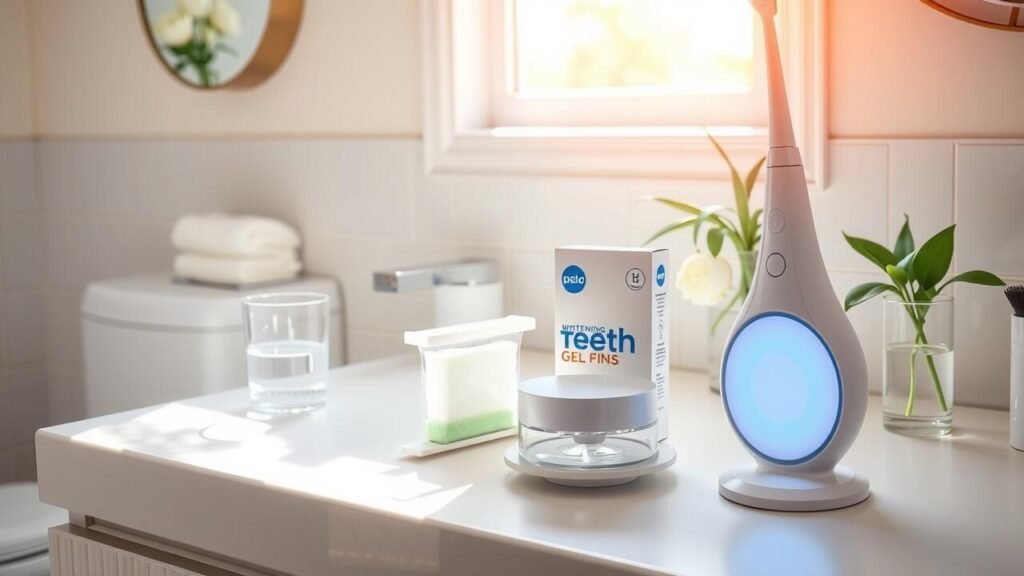
How to Properly Brush for Stain Removal
Effective brushing is crucial for removing surface stains from teeth. A soft-bristled toothbrush is recommended to prevent damage to enamel and gums. It’s essential to hold the brush at a 45-degree angle against the gum line, allowing bristles to reach both teeth and gums. Gentle, circular motions are preferable to aggressive back-and-forth scrubbing, which can create additional wear on the enamel.
Pay special attention to areas that are prone to staining, such as the front teeth and molars, where plaque can accumulate. Brushing for a full two minutes ensures that every surface is covered. Incorporating a toothpaste designed for stain removal or whitening can enhance the effectiveness of your brushing routine. Regularly replacing your toothbrush or brush head every three months also helps maintain optimal cleaning efficiency.
Technique Tips for Effective Brushing
Effective brushing techniques can significantly enhance the removal of surface stains from teeth. Holding your toothbrush at a 45-degree angle to the gum line allows bristles to reach both the teeth and the junction where they meet the gums. Use gentle, circular motions rather than aggressive back-and-forth scrubbing, as this can damage the enamel and irritate the gums. Spend at least two minutes brushing, ensuring that all areas, including hard-to-reach spots, receive adequate attention.
Rinsing your toothbrush with water before and after use is essential for maintaining hygiene. It’s also advisable to replace your toothbrush or toothbrush head every three to four months or sooner if the bristles become frayed. For those using a manual toothbrush, consider employing a two-minute timer or a toothbrush with a built-in timer feature to promote thorough brushing habits. Consistency in your brushing routine is key to achieving a brighter smile over time.
The Importance of Regular Dental Check-Ups
Regular dental check-ups are essential for maintaining overall oral health and can play a significant role in managing tooth discoloration. Dentists can provide professional cleanings that eliminate stubborn plaque and tartar buildup. This helps remove surface stains that regular brushing may miss. Additionally, a dental check-up allows for the early detection of potential issues that could contribute to discoloration, such as tooth decay or gum disease.
Visiting the dentist consistently ensures that patients receive personalized advice regarding their oral hygiene routines. During appointments, dental professionals can recommend specific products and techniques tailored to combat yellowing teeth effectively. They may also suggest treatments like whitening options or sealants that can enhance aesthetic appeal and protect enamel from future staining. Such preventive care promotes long-term dental health and boosts confidence in one’s smile.
Professional Treatments for Stubborn Stains
Stubborn stains can often require more than just regular brushing to achieve noticeable results. Professional whitening treatments administered by dentists typically utilize stronger bleaching agents compared to over-the-counter products. These treatments can effectively target deep-set stains caused by factors such as smoking, coffee, and certain foods. Many dental offices offer options like in-office whitening sessions, where results can be evident within a single visit, or take-home kits tailored to individual needs.
Another option for tackling tough discoloration involves the use of dental veneers. These thin shells of porcelain or composite resin are custom-made to cover the front surface of teeth, providing an instant enhancement in appearance. In some cases, patients might opt for bonding, which involves applying a tooth-colored resin to the affected area for a seamless finish. Consulting with a dental professional can guide individuals toward the most suitable treatment based on their specific stain types and overall oral health.
Complementary Oral Hygiene Products
Incorporating complementary oral hygiene products can significantly enhance the effectiveness of your overall teeth whitening regimen. Baking soda-based toothpaste and whitening strips are popular choices that target surface stains. Mouthwashes that contain hydrogen peroxide or other whitening agents offer an additional layer of protection and can help remove food particles while freshening breath. Using these products consistently may lead to a noticeable improvement in tooth brightness over time.
Flossing regularly is essential not only for maintaining gum health but also for preventing stains from forming between teeth. Interdental brushes can provide a more thorough clean in tight spaces. Using a whitening mouth rinse after brushing and flossing can further help minimize staining. Combining these products with a good brushing technique ensures more comprehensive care for your smile, contributing to a whiter appearance in conjunction with regular dental practices.
Mouthwashes and Floss for Enhanced Whitening
Incorporating mouthwash into your oral hygiene routine can significantly enhance your efforts toward achieving a brighter smile. Many whitening mouthwashes contain ingredients like hydrogen peroxide or baking soda, which work to lift surface stains while freshening breath. Using these rinses after brushing can provide an extra layer of defense against discoloration and help maintain a brighter appearance over time.
Flossing is essential for removing food particles and plaque that brushing alone may miss. Stains often develop in hard-to-reach areas, making regular flossing vital for preventing discoloration. Some dental floss products are infused with whitening agents, offering a dual advantage. Together, these complementary products can create a more effective whitening routine when paired with regular brushing and professional dental visits.
FAQS
What type of toothbrush is recommended for yellow teeth?
A soft-bristled toothbrush is recommended for yellow teeth as it effectively removes plaque and stains without damaging the enamel.
Should I choose an electric toothbrush for stain removal?
Yes, electric toothbrushes can be more effective at removing stains due to their consistent brushing motion and built-in timers, promoting better cleaning habits.
How often should I replace my toothbrush for optimal results?
It’s advisable to replace your toothbrush every three to four months or sooner if the bristles become frayed to ensure effective cleaning.
Can whitening toothpaste help with yellow teeth?
Yes, whitening toothpaste can help reduce surface stains and enhance the brightness of your teeth, but it works best when combined with proper brushing techniques.
Are there specific toothbrush brands known for tackling yellow teeth?
While there isn’t a specific brand guaranteed to work, look for toothbrushes with stain-fighting features, such as specialized bristles or built-in whitening properties from reputable dental care brands.
Related Links
best toothbrush for whitening teeth
What toothbrush is best for whitening teeth?
Should I get a new toothbrush after norovirus?