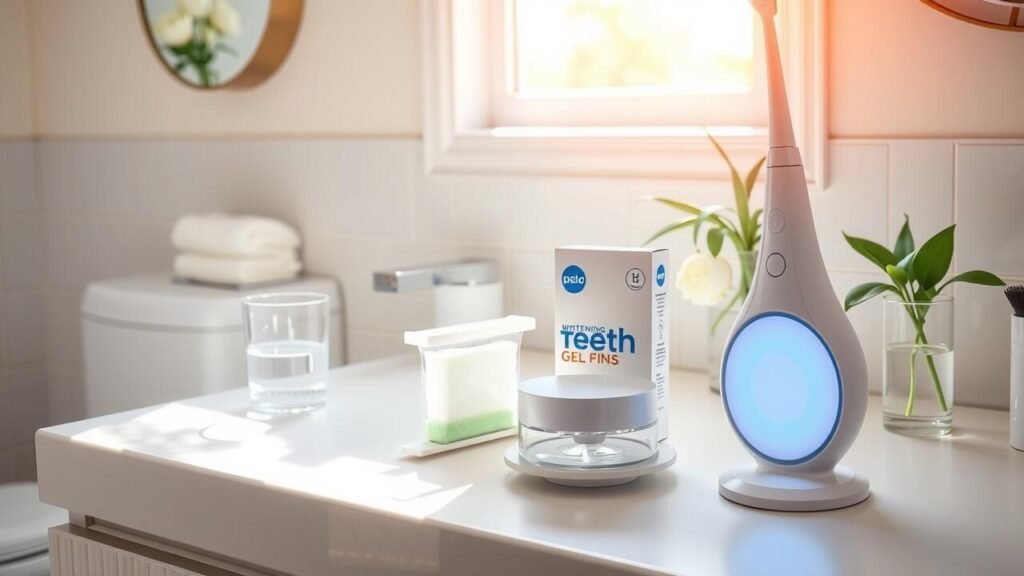
Safe Teeth Whitening Practices
Teeth whitening can enhance your smile, but safety should be a top priority, especially for those with gum disease. Before starting any whitening treatment, consult a dental professional. They can evaluate your gum condition and suggest safe options specific to your needs. Many over-the-counter whitening products may contain harsh chemicals that could further irritate sensitive gums. Selecting a gentle formula designed for sensitive teeth is essential.
Using whitening strips or trays requires careful adherence to instructions. Overuse can lead to gum irritation and increased tooth sensitivity. If you opt for at-home methods, consider using a lower concentration of hydrogen peroxide. This approach allows for gradual whitening without compromising gum health. Always maintain a consistent oral hygiene routine, incorporating gentle brushing and flossing techniques, to support overall gum health during the whitening process.
Recommended Products for Sensitive Gums
For individuals with sensitive gums, selecting the right whitening products is essential to avoid discomfort. Look for formulations that specifically mention “sensitive” or “gentle” on the packaging. Products containing potassium nitrate or fluoride can provide relief by minimizing sensitivity while helping to whiten teeth. Professional-grade whitening treatments offered by dentists can be tailored to suit sensitive gums, often using lower concentrations of bleaching agents to reduce side effects.
Natural whitening options may also be suitable for those with sensitive gums. Baking soda is a common ingredient known for its mild abrasive properties and can help gently remove surface stains. Charcoal-based products offer another alternative, though it’s crucial to choose those designed for sensitive mouths. Always consult with a dental professional before trying new products to ensure they align with your oral health needs.
Alternatives to Teeth Whitening
For those looking for ways to enhance their smile without traditional whitening methods, several options can be explored. One common alternative is the use of toothpaste designed for stain removal. These products often contain mild abrasives and specific whitening agents that target surface stains without the intense effects of bleaching agents. Such toothpastes can be a gentle approach for individuals with gum sensitivity, providing a gradual improvement in the brightness of teeth.
Another approach gaining popularity involves professional cleanings at dental offices. Regular cleanings not only eliminate plaque and tartar but can also improve the overall appearance of teeth. Many patients notice a noticeable difference in tooth brightness after a deep cleaning session. Additionally, some dental professionals offer strong polishing treatments that can effectively reduce stains and enhance luster while ensuring the health of the gums is prioritized.
Natural Remedies and Their Effectiveness
Natural remedies have gained popularity as alternatives for achieving teeth whitening. Many people turn to options like baking soda, activated charcoal, and hydrogen peroxide. Baking soda acts as a mild abrasive, which can help remove surface stains on teeth. Activated charcoal is believed to absorb toxins and stains, while hydrogen peroxide functions as a bleaching agent. Users often claim these remedies are effective, yet scientific backing can be limited.
Despite their popularity, effectiveness varies among individuals. Some may notice slight improvements, while others experience minimal change. Additionally, concerns regarding gum sensitivity and enamel erosion have emerged. While these remedies may offer a natural approach to whitening, they should be used cautiously and in moderation. A consultation with a dental professional is advisable before incorporating these methods into any oral care routine.
Managing Gum Disease
Gum disease affects not only dental health but also overall well-being. Diagnosis often involves examining symptoms such as bleeding gums, persistent bad breath, or gum recession. Regular dental visits are essential for early detection and intervention. A dentist may recommend treatments that vary from professional cleanings to more advanced procedures depending on the severity of the condition.
Maintaining diligent oral hygiene is crucial in managing gum disease. Daily brushing and flossing help remove plaque build-up. Antimicrobial mouthwashes can further assist in reducing harmful bacteria. Incorporating a balanced diet rich in vitamins and minerals supports gum health. Regular monitoring and adjustments to oral care routines may be necessary for ongoing management.
Effective Treatments and Oral Hygiene Tips
Maintaining rigorous oral hygiene is essential for anyone dealing with gum disease. Regular brushing, ideally twice a day with fluoride toothpaste, can help remove plaque buildup. Flossing should not be overlooked as it targets areas between teeth where bacteria often thrive. Dentists recommend using a soft-bristled toothbrush, which minimizes irritation to sensitive gums. Incorporating an antimicrobial mouthwash can further enhance cleanliness by reducing bacteria in the mouth.
In addition to proper oral care practices, seeking professional dental treatments plays a vital role in managing gum disease. This may include scaling and root planing, which involves deep cleaning below the gum line to remove tartar and bacteria. Patients should attend regular dental check-ups to monitor gum health and receive personalized advice. Following these steps can promote healthier gums and contribute positively to overall oral health.
FAQS
Can I safely whiten my teeth if I have gum disease?
It is generally not recommended to whiten your teeth if you have gum disease, as the whitening agents can irritate your gums and exacerbate your condition. It’s best to consult your dentist before proceeding with any whitening treatments.
What are safe teeth whitening practices for individuals with gum disease?
Safe practices include using gentle whitening products specifically designed for sensitive gums, avoiding harsh treatments, and prioritizing good oral hygiene. Always consult with your dentist for personalized advice.
Are there any recommended products for sensitive gums that can help with whitening?
Yes, look for whitening products that are labeled as “sensitive” or “gentle.” These often contain lower concentrations of whitening agents and are formulated to minimize gum irritation.
What alternatives to teeth whitening are available for those with gum disease?
Alternatives include professional dental cleanings, regular brushing and flossing to maintain oral hygiene, and using natural whitening methods like baking soda or activated charcoal, though the effectiveness of these methods can vary.
How can I manage my gum disease before considering teeth whitening?
Managing gum disease involves maintaining excellent oral hygiene, visiting your dentist regularly, and following their recommended treatments. Once your gum health is restored, you can revisit the option of teeth whitening.
Related Links
best teeth whitening trays
What do professional dentists use to whiten teeth?
What are the best teeth whitening trays?