Comparing Caffeine Content
Caffeine is a key ingredient in many pre-workout supplements, influencing energy levels and overall performance. Different products contain varying amounts, often ranging from 150 mg to over 400 mg per serving. Higher caffeine content can provide a more immediate boost in energy, making it a popular choice among fitness enthusiasts. However, it’s crucial to consider individual tolerance levels, as excessive amounts may lead to negative side effects such as jitters or anxiety.
When assessing pre-workout options, the caffeine source is also worth noting. While some supplements utilize synthetic caffeine, others may include natural sources like coffee bean or green tea extract. Each type has its own absorption rates and potential for energy stabilization. Understanding the distinctions in caffeine content and sources can help users choose a pre-workout that aligns with their energy needs and workout goals.
Effects of Different Levels on Performance
Caffeine is one of the most researched ingredients in pre-workout supplements. Studies show that varying levels can significantly impact athletic performance. A moderate intake often leads to enhanced focus, increased energy, and improved endurance. Many athletes find that doses ranging from 100 to 300 milligrams can provide a balance between maximizing energy and minimizing potential side effects such as jitters or anxiety.
However, higher amounts of caffeine may not always yield better results. Some individuals may experience diminishing returns when the dosage exceeds their tolerance levels. Performance may plateau or even decline in those sensitive to caffeine. Understanding individual tolerance is crucial, as it directly influences the effectiveness of a pre-workout supplement. Tailoring caffeine intake to personal needs can greatly enhance workout performance while maintaining overall comfort.
Alternative Ingredients for Energy
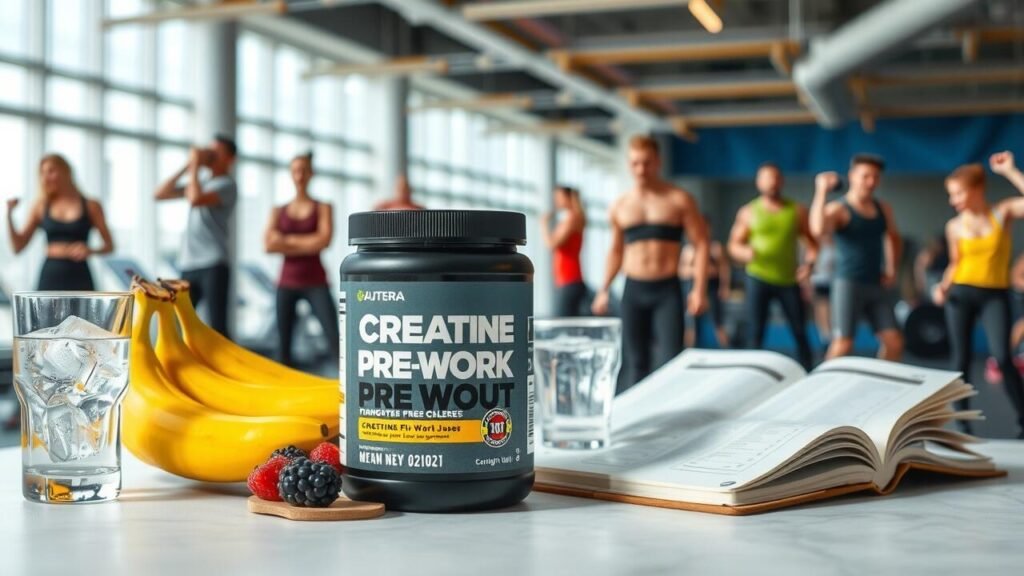
For those looking to enhance their workout without relying heavily on caffeine, various alternative ingredients are available. Creatine is a popular choice known for improving strength and muscle mass. Beta-alanine, another common ingredient, helps buffer acid in muscles, delaying fatigue during intense exercise. These components can provide a solid energy boost while minimizing the jitters often associated with higher caffeine doses.
Moreover, adaptogens like Rhodiola Rosea or Ashwagandha can support endurance and reduce stress during workouts. These natural substances may enhance mental clarity and focus, contributing to a more effective performance. Additionally, ingredients such as B vitamins play a vital role in energy metabolism, ensuring the body optimally uses carbohydrates for fuel. Considering these alternatives can lead to a well-rounded approach to energy and performance in pre-workout supplements.
Exploring Non-Caffeine Options
For individuals seeking energy without the stimulation of caffeine, several alternative ingredients have gained popularity in pre-workout supplements. Creatine remains a well-researched option for enhancing performance, particularly among athletes engaged in high-intensity training. Beetroot powder, rich in nitrates, can improve blood flow and endurance, making it a favorable choice for those looking to enhance stamina during workouts. Other ingredients, such as B vitamins and adaptogens like Rhodiola Rosea, contribute to energy metabolism while potentially reducing fatigue.
Additionally, some pre-workout formulations incorporate amino acids like L-citrulline to support nitric oxide production, promoting better circulation and endurance. Beta-alanine is another effective component known for buffering lactic acid, which can delay fatigue during prolonged physical activity. These non-caffeine options often cater to those who may be sensitive to stimulants, allowing for effective performance enhancements without the jitters or crashes associated with traditional caffeine-containing products.
The Importance of Serving Size
When selecting a pre-workout supplement, understanding the serving size is crucial. Manufacturers often recommend a specific dose intended to provide optimal benefits. Users may overlook this detail, which can lead to either subpar performance or unwanted side effects. Determining the right amount ensures that individuals receive adequate stimulation without the risk of adverse reactions.
Reading the labels effectively also plays a significant role. Some products may present serving sizes that can be misleading, either by indicating a smaller dose or by recommending multiple servings per day. It is essential for consumers to compare the advertised serving size with the actual milligram dosage of active ingredients. This knowledge empowers users to make informed decisions, maximizing their workout efficiency while minimizing the potential for overstimulation.
How to Read Labels Effectively
Understanding supplement labels is crucial for making informed choices. Start by checking the serving size, which indicates the amount of product to be consumed at once. This value directly impacts the amount of active ingredients you intake. For pre-workout supplements, it is essential to evaluate the number of servings per container, as this will determine how long the product lasts and whether it fits your budget.
Next, pay attention to the ingredient list. Ingredients are usually listed in descending order by weight, helping you identify the most prominent components. Look for key nutrients like caffeine, beta-alanine, and creatine. Research unfamiliar ingredients to understand their benefits and potential side effects. The label may also provide information on proprietary blends, which can obscure the amounts of individual ingredients, making it vital to know your preferences and tolerance levels.
FAQS
What is considered the strongest pre-workout on Amazon?
The strongest pre-workout on Amazon typically contains high levels of caffeine and other performance-enhancing ingredients. Popular options often vary, but products like “Total War” and “C4 Ultimate” are frequently mentioned for their potency.
How does caffeine content affect workout performance?
Caffeine can enhance athletic performance by increasing energy, improving focus, and reducing perceived exertion. Higher caffeine levels often correlate with improved endurance and strength, but individual tolerance can vary.
Are there effective pre-workout supplements without caffeine?
Yes, there are several effective non-caffeine pre-workouts available that utilize alternative ingredients such as beta-alanine, citrulline malate, or B vitamins to promote energy and performance without the stimulant effects of caffeine.
How can I determine the appropriate serving size for a pre-workout supplement?
It’s important to read the label of the pre-workout supplement to understand the recommended serving size. Start with the lowest dosage to assess tolerance and gradually adjust as needed, keeping in mind your personal sensitivity to the ingredients.
What should I look for when reading labels on pre-workout supplements?
When reading labels, check for the ingredient list, caffeine content, serving size, and any proprietary blends. Look for transparency in the ingredients to ensure you know what you’re consuming and to avoid any potential allergens or unwanted additives.
Related Links
best pre workout on Amazon
What to Look for in a Pre-Workout Supplement on Amazon
Roundup of Best-Selling Pre-Workouts on Amazon: A Comprehensive List