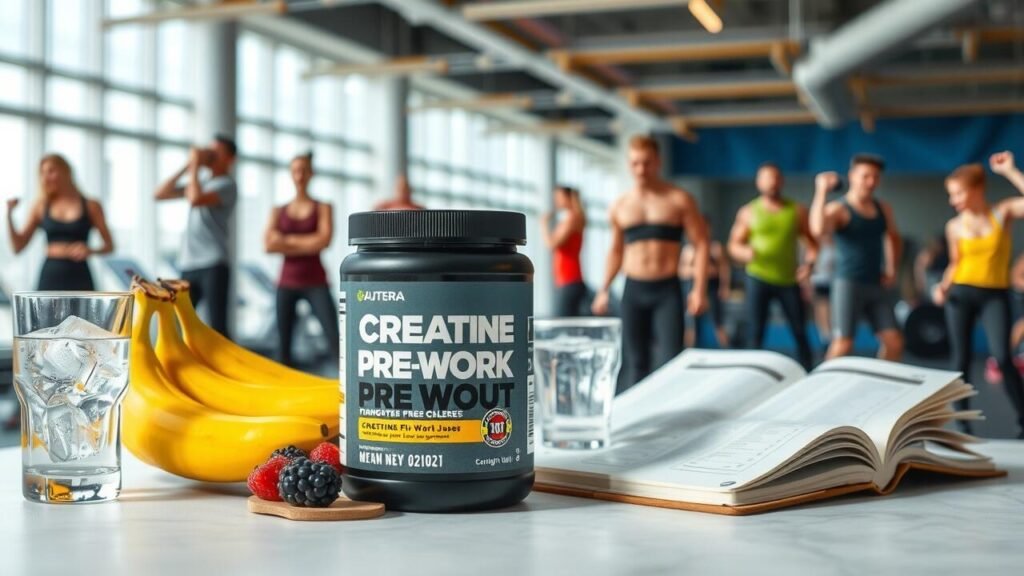
Nutritional Considerations for Athletes
Athletes prioritize a well-rounded diet to maximize their performance and recovery. This diet typically includes carbohydrates for energy, proteins for muscle repair, and healthy fats for overall health. Micronutrients, such as vitamins and minerals, play a crucial role in maintaining immune function and preventing fatigue. Focusing on whole foods ensures that athletes receive necessary nutrients without unnecessary additives often found in processed products, including energy drinks.
Hydration is also a critical component of an athlete’s nutritional strategy. Water remains the best source for hydration; however, in cases of prolonged exercise, electrolyte balance becomes important. While energy drinks may provide quick energy boosts and hydration, they can often contain high sugar levels and artificial ingredients that do not contribute positively to an athlete’s overall nutrition plan. Consequently, many athletes prefer to stick to natural sources of energy and hydration to optimize their performance.
The Importance of Balanced Diet
A balanced diet is essential for athletes to perform at their best. It provides the necessary nutrients that fuel their bodies and support recovery after intense workouts. Macronutrients such as carbohydrates, proteins, and fats play a crucial role in energy production, muscle repair, and overall health. Incorporating a variety of fruits, vegetables, and whole grains helps ensure athletes receive vital vitamins and minerals needed for optimal performance.
Moreover, the timing of nutrient intake can significantly impact an athlete’s training and competition. Consuming the right foods before, during, and after exercise can enhance endurance and reduce fatigue. Staying hydrated is another crucial aspect of a balanced diet, as dehydration can severely hinder performance. Focusing on whole foods rather than processed options helps athletes maintain their energy levels while minimizing the risk of unhealthy additives found in many commercial energy drinks.
Caffeine Consumption in Sports
Caffeine is a widely discussed substance in the realm of sports, known for its potential to enhance performance. Many athletes incorporate caffeine into their training regimens due to its ability to reduce perceived exertion and improve endurance. Research indicates that caffeine may also help in improving focus and reaction times, making it appealing for competitive scenarios. However, the benefits of caffeine can vary significantly among individuals, with some responding more positively than others.
Despite its advantages, there are also concerns regarding caffeine consumption in sports. High doses can lead to side effects such as increased heart rate, anxiety, and gastrointestinal discomfort. For this reason, athletes are often advised to monitor their intake to avoid potential negative repercussions during competitions. Moreover, different sports organizations have established guidelines on the safe levels of caffeine consumption to ensure that athletes can harness its benefits while minimizing health risks.
Benefits vs. Risks of Caffeine Intake
Caffeine is often touted for its potential to enhance athletic performance. It can improve focus, endurance, and overall physical output. Many athletes report feeling increased alertness and reduced perception of fatigue during strenuous activities. Research indicates that moderate doses can lead to heightened agility and improved reaction times, making it an appealing option for some.
However, the intake of caffeine is not without its drawbacks. Excessive consumption can lead to side effects such as jitters, anxiety, and gastrointestinal disturbances. For some individuals, it may interfere with sleep patterns, which is crucial for recovery and overall performance. Additionally, dependence on caffeine could lead athletes to believe they need it to perform well, overshadowing the importance of proper training and nutrition.
Regulatory Perspectives on Energy Drinks
Many sports organizations and regulatory bodies have established guidelines to address the consumption of energy drinks among athletes. These recommendations aim to protect athletes from potential health risks associated with high caffeine and sugar content typically found in these beverages. Although energy drinks often advertise performance enhancement, their actual efficacy and safety during training and competition continue to raise concerns. Regulatory agencies frequently stress the importance of hydration and suggest that athletes consider more traditional sources of energy and electrolytes, such as water and sports drinks designed specifically for athletic use.
Furthermore, some countries have implemented strict labeling laws concerning the ingredients and caffeine levels in energy drinks. These regulations are intended to ensure that consumers are fully informed about what they are consuming. Athletes are encouraged to be cautious and to review the contents of energy drinks before incorporating them into their routines. Educating athletes about the potential side effects and the importance of moderation can help create a safer approach to energy and hydration during training and events.
Guidelines for Athletes from Sports Organizations
Athletes receive important guidance from sports organizations regarding the consumption of energy drinks. These guidelines often emphasize the significance of hydration via water and electrolyte solutions rather than energy drinks. Many organizations advise against the use of these beverages during training and competition. This stance comes from concerns over the potential side effects of excessive sugar and caffeine intake, which can negatively impact performance and overall health.
In addition to promoting hydration, sports organizations also recommend a well-rounded dietary approach to enhance athletic performance. Nutritional strategies include focusing on whole foods, adequate carbohydrates, proteins, and fats. Athletes are encouraged to seek alternative sources for energy and recovery as opposed to relying on energy drinks. Adhering to these recommendations helps ensure not only optimal performance but also the long-term well-being of athletes.
FAQS
Why do some athletes avoid energy drinks?
Many athletes avoid energy drinks due to concerns about high sugar content, potential negative health effects, and the preference for more natural sources of energy.
Are energy drinks safe for athletes?
While some athletes may consume energy drinks in moderation, they can pose risks due to stimulants like caffeine, which can lead to dehydration, increased heart rate, and other health issues if not managed properly.
How do energy drinks compare to sports drinks for athletes?
Sports drinks are formulated to hydrate and replenish electrolytes, whereas energy drinks typically contain high levels of caffeine and sugar, which can lead to different physiological effects and may not support athletic performance as effectively.
What role does caffeine play in athletic performance?
Caffeine can enhance performance by improving focus, reducing perceived exertion, and increasing endurance. However, the benefits must be weighed against the potential risks and side effects of excessive consumption.
What guidelines do sports organizations provide regarding energy drink consumption?
Many sports organizations recommend that athletes limit their intake of energy drinks due to concerns over health risks and performance impacts, emphasizing the importance of a balanced diet and proper hydration instead.
Related Links
pre workout vs energy drink
Can I drink pre-workout just for energy?
Review of Top Pre Workouts and Energy Drinks: Which Reigns Supreme?