Foods to Avoid Pre-Workout
Consuming heavy or fatty foods right before exercise can lead to discomfort and sluggishness. Digestion takes longer when faced with rich meals. This can detract from performance and disrupt focus during workouts.
High-sugar snacks pose another challenge. A quick spike in energy can be followed by an equally swift crash, leaving one feeling fatigued and weak. It is essential to avoid foods that may upset the stomach, creating unnecessary distractions during training.
Substances That May Hinder Performance
Certain substances can negatively affect performance during workouts. High amounts of sugar can lead to a rapid spike in energy, followed by a crash that leaves you feeling fatigued. Foods laden with artificial additives and preservatives may also cause digestive discomfort, making it harder to focus on your routine.
Caffeine, while often used to boost energy, can be detrimental for some people, leading to jitters and increased heart rate. Heavy or greasy foods take longer to digest, which can result in sluggishness during exercise. Being mindful of what you consume before a workout is essential for maintaining optimal energy levels and overall performance.
Pre-Workout Meal Examples
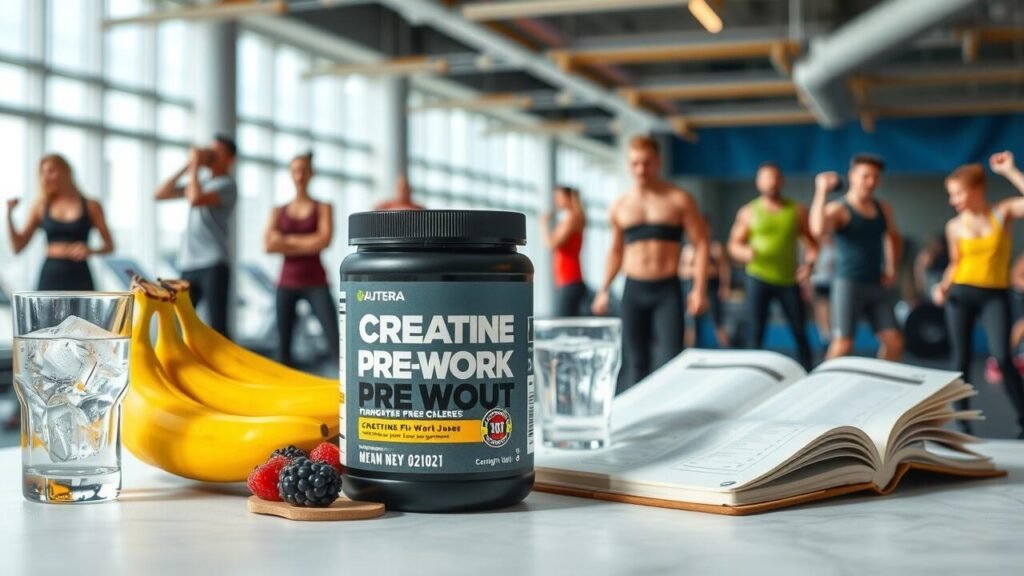
Choosing the right pre-workout meal can enhance performance and endurance. For a quick option, consider a banana with a tablespoon of almond butter. This combination provides natural sugars for immediate energy and healthy fats to sustain you through your workout. Another great choice is a slice of whole-grain toast topped with avocado. The bread offers carbohydrates for fuel, while the avocado supplies healthy fats and fiber.
If your workout is more intense or prolonged, try a bowl of oatmeal mixed with some berries and a drizzle of honey. This meal offers a balanced source of carbohydrates, antioxidants, and natural sweetness for a sustained energy boost. Alternatively, a protein smoothie made with spinach, a banana, and a scoop of protein powder can be an excellent choice. The smoothie is easy to digest and provides a combination of macronutrients that can help maximize workout effectiveness.
Balanced Options for Different Workouts
Choosing the right meal depends on the intensity and duration of your workout. For low to moderate-intensity exercises, such as walking or light yoga, a snack containing carbohydrates and a small amount of protein can be beneficial. An apple with almond butter or a slice of whole-grain toast with avocado offers energy without feeling too heavy, allowing for comfortable movement during the session.
For more intense workouts, like running or high-intensity interval training, the body requires more fuel. A meal rich in carbohydrates, such as oatmeal with banana or a smoothie with spinach and protein powder, can provide sustained energy. Including some healthy fats, like Greek yogurt or a handful of nuts, may enhance endurance for those longer sessions. Listening to your body’s needs can help tailor your choices effectively.
Personalized Nutrition Plans
Creating a personalized nutrition plan is essential for maximizing workout performance. Individual factors such as age, weight, fitness level, and specific workout goals influence dietary needs. Understanding these variables allows for better meal planning that aligns with personal objectives. For instance, an athlete training for a marathon may require different macronutrient ratios compared to someone focused on building muscle or improving endurance.
Customization covers not just the types of food consumed but also meal timing. Eating too close to a workout can lead to discomfort, while waiting too long may result in low energy. Therefore, tailoring meals to meet personal timing preferences enhances performance. A nutrition plan that fits one’s lifestyle increases adherence, making it easier to maintain a consistent approach to pre-workout nutrition.
Tailoring Your Meal to Fit Your Goals
Individual fitness goals dictate unique nutritional needs. Those focusing on strength training might require a meal rich in protein to support muscle repair and growth. Carbohydrates can also be beneficial, as they provide the necessary energy for heavy lifting. Conversely, endurance athletes should consider meals higher in carbohydrates. This can aid sustained energy levels during longer workouts.
Timing also plays a crucial role in meal planning. For those engaging in high-intensity workouts, a pre-exercise snack rich in simple carbohydrates an hour before the session can optimize performance. Conversely, if the aim is to build muscle and you’re working out later in the day, a well-balanced meal containing proteins and healthy fats is advisable several hours prior. Adjusting portion sizes based on the intensity and duration of the workout is equally important.
FAQS
What should I avoid eating right before a workout?
It’s best to avoid heavy, greasy foods, high-fiber items, and excessive sugars right before a workout as they can lead to digestive discomfort and hinder performance.
How long before a workout should I eat?
Ideally, you should eat a meal or snack 30 minutes to 2 hours before your workout, depending on the size of the meal and your personal digestion preferences.
What are some good pre-workout snacks?
Some effective pre-workout snacks include a banana with peanut butter, Greek yogurt with fruit, or a small smoothie made with protein powder and spinach.
How do I tailor my pre-workout meal to my specific fitness goals?
To tailor your pre-workout meal, consider your workout intensity and duration; for endurance activities, focus on carbs, while for strength training, include protein alongside carbs.
Can I eat a full meal before working out?
Yes, you can eat a full meal before working out, but it’s important to allow enough time for digestion. A balanced meal with carbs, protein, and healthy fats consumed about 2-3 hours prior is ideal.
Related Links
best pre workout at Walmart
What to eat 30 minutes before a lift?
What’s the best pre-workout in Walmart?