Monitoring Blood Pressure During Exercise
Regular monitoring of blood pressure during exercise is crucial for individuals with hypertension. This practice allows for the identification of any significant fluctuations that might indicate a need to modify workout intensity or duration. Keeping track of one’s blood pressure can help in understanding individual limits and adjusting routines accordingly to ensure safety while still achieving fitness goals.
Utilizing appropriate technology can simplify this process. Digital blood pressure monitors are accessible and user-friendly, enabling users to track readings before, during, and after exercise sessions. Having this information readily available supports informed decision-making regarding exercise intensity and overall fitness strategy. Regular assessments help maintain control over blood pressure levels while maximizing the benefits of physical activity.
Guidelines for Safe Workout Practices
Maintaining a safe exercise routine involves being mindful of individual health conditions, especially high blood pressure. It is essential to consult with a healthcare professional before beginning or modifying a fitness regimen. Start slowly and gradually increase the intensity of workouts. Regular warm-ups and cool-downs help the body adjust to physical exertion while minimizing strain on the cardiovascular system.
Monitoring your body’s response during workouts can provide important insights into your health. Pay attention to heart rate and blood pressure, and use a reliable method to check these indicators before, during, and after exercise. Staying hydrated is crucial, as dehydration can increase heart rate and blood pressure. Always listen to your body and adjust your workout intensity as needed to ensure safety.
Signs of Overexertion
During exercise, it’s essential to be aware of how your body reacts to physical exertion. Symptoms of overexertion can manifest as excessive fatigue, dizziness, or persistent shortness of breath. Individuals may also experience palpitations or a feeling of tightness in the chest. Recognizing these signs early can help in preventing more severe complications, especially for those with underlying health conditions like high blood pressure.
Monitoring how you feel allows for adjustments during workouts. If any of these warning signals arise, it’s critical to stop exercising and assess the situation. Hydration plays a vital role, as dehydration can exacerbate symptoms of overexertion. Always prioritize listening to your body, as it provides crucial information about your limits and wellbeing.
Recognizing Symptoms Related to High Blood Pressure
High blood pressure can often be asymptomatic, which makes it essential for individuals to remain vigilant about potential warning signs. Common symptoms may include headaches, shortness of breath, and nosebleeds. Additionally, some people may experience vision changes or a feeling of pulsation in the neck or head. Recognizing these signals can be crucial in preventing serious health complications, especially during exercise.
Individuals with high blood pressure should pay close attention to their body during physical activity. Unusual fatigue or dizziness during workouts can indicate that something is off. It’s also important to note any sudden changes in heart rate or chest discomfort, as these could signify an adverse reaction to exercise or associated supplements. Awareness of these symptoms can help safeguard against the repercussions of undiagnosed hypertension.
Choosing the Right Pre-Workout
Selecting a suitable pre-workout supplement is essential for individuals with high blood pressure. Ingredients matter significantly; avoiding stimulants like caffeine can help minimize the risk of increased heart rate and elevated blood pressure. Look for products that highlight non-stimulant components, such as citrulline or beta-alanine, which can enhance performance without putting cardiovascular health at risk.
Reading labels carefully is crucial. Many pre-workout formulations include hidden stimulants or excessive amounts of ingredients that could cause unwanted spikes in blood pressure. Some brands offer transparency by disclosing the amounts of each ingredient, making it easier for consumers to make informed choices. Prioritizing products formulated specifically for individuals with hypertension can lead to a more effective and safer workout experience.
Non-Stimulant Options for Safer Use
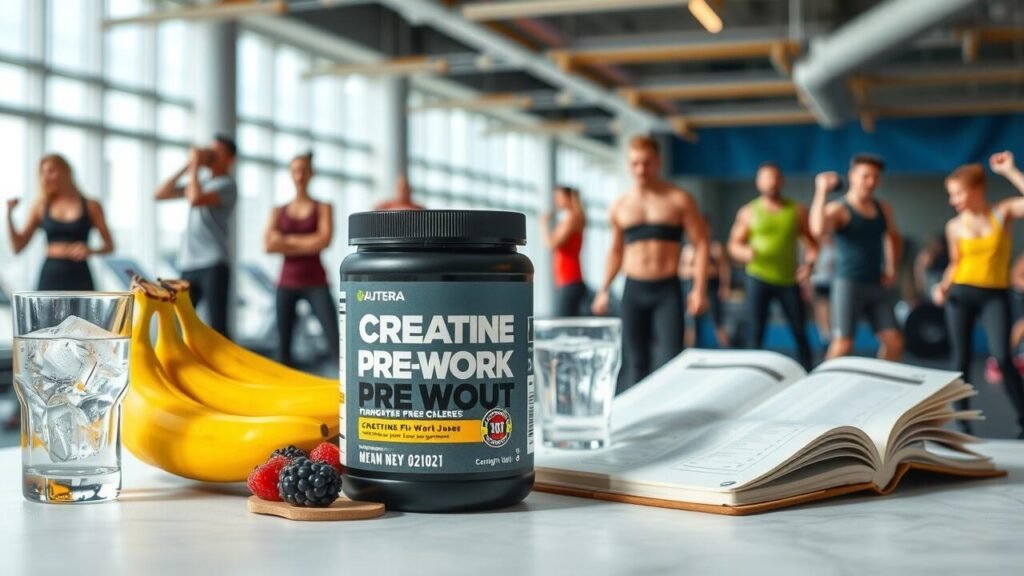
Individuals with high blood pressure may seek alternatives to traditional pre-workout supplements that often contain stimulants. Non-stimulant options can provide the necessary support for energy and endurance without causing spikes in blood pressure. Ingredients like beta-alanine, creatine, and L-citrulline enhance performance by promoting blood flow and reducing fatigue. These components help improve workout intensity without the risks associated with stimulants like caffeine.
Additionally, other non-stimulant formulations may include branched-chain amino acids (BCAAs) and natural extracts such as beetroot powder. BCAAs can support muscle recovery and reduce soreness, making them a solid choice for those who prioritize post-exercise benefits. Beetroot powder, rich in nitrates, can aid in improving cardiovascular health and optimizing exercise performance. These alternatives present a safer way for those with high blood pressure to boost their workout regimen effectively.
FAQS
Is it safe to take pre-workout supplements if I have high blood pressure?
It is essential to consult with a healthcare professional before taking pre-workout supplements if you have high blood pressure, as some ingredients may exacerbate your condition.
What should I monitor while exercising with high blood pressure?
You should closely monitor your blood pressure before, during, and after exercise to ensure it remains within a safe range and to avoid overexertion.
What are some signs of overexertion during workouts?
Signs of overexertion can include dizziness, shortness of breath, chest pain, and extreme fatigue. If you experience any of these symptoms, it is crucial to stop exercising and seek medical attention.
Are there specific pre-workout ingredients I should avoid with high blood pressure?
Yes, it is advisable to avoid pre-workout supplements that contain high levels of stimulants, such as caffeine, as they can raise blood pressure and heart rate.
What are some non-stimulant options for pre-workout supplementation?
Non-stimulant pre-workout options may include ingredients like citrulline, beta-alanine, and BCAAs, which can help enhance performance without affecting blood pressure significantly. Always consult a healthcare provider before trying new supplements.
Related Links
best pre workout for strength training
What is the best pre-workout for strength?
Is pre-workout good for strength training?