Key Takeaways
- Top non-caffeinated appetite controllers and insights on appetite reducers.
- Types of appetite curbing substances and their classifications.
- Leading non-caffeinated appetite reducers available in the market.
- Importance of appetite-diminishing foods in the diet.
- Assessing appetite reducers for effective weight management.
Best Appetite Suppressant Without Caffeine | Understanding Appetite Suppressants
Appetite suppressants play a crucial role in managing hunger and reducing food cravings, making them valuable tools for those seeking to control their weight. The best appetite suppressant without caffeine provides a natural alternative for individuals sensitive to stimulants or those wishing to avoid caffeinated drinks. These appetite-suppressant options can effectively suppress appetite and curb cravings without the side effects often associated with caffeine. From herbal remedies to specific dietary choices, various methods exist to promote appetite suppression. Understanding how these suppressants function and identifying the best appetite suppressant without caffeine can lead to healthier eating habits and successful weight management.
- Natural fibers like glucomannan and psyllium husk can help increase feelings of fullness.
- Herbal options such as Garcinia cambogia and green tea extract may aid in appetite suppression.
- Protein-rich foods and meals can keep you satisfied longer and reduce hunger pangs.
- Drinking plenty of water before meals can help fill the stomach and reduce overall calorie intake.
- Consuming healthy fats, like those found in avocados and nuts, can promote satiety.
- Mindful eating practices, such as savoring each bite, can also contribute to reduced appetite.
- Maintaining a balanced diet with regular meals can help stabilize hunger levels throughout the day.
best appetite suppressant without caffeine | What Are Appetite Suppressants?
Appetite suppressants are substances designed to help reduce food intake and curb cravings, making them useful for those on a calorie-restricted diet. Available in various forms, including diet pills and dietary supplements, these products can play a significant role in managing hunger. The best appetite suppressant without caffeine targets the brain’s hunger signals, allowing individuals to maintain a healthy diet without the jitters often associated with coffee or other caffeinated products. Some appetite suppressants are natural, while others may include ingredients found in anti-anxiety drugs or certain antidepressants, which can also influence appetite and food intake.
These suppressants are not one-size-fits-all solutions and can vary in effectiveness from person to person. The best appetite suppressant without caffeine may help mitigate feelings of nausea associated with certain dietary changes, making the weight loss journey more manageable. Users can explore various options, including herbal extracts and other dietary supplements, which can aid in achieving a balanced diet while minimizing cravings. Understanding the diverse range of appetite suppressants can empower individuals to make informed choices that align with their dietary goals.
How Appetite Suppressants Work
Appetite suppressants function by targeting various mechanisms in the body to help control hunger and promote satiety. Many weight-loss drugs and weight-loss medications aim to alter neurotransmitter levels in the brain, influencing appetite-related signals. Some of these drugs, such as certain prescription medications and weight loss pills, may work by mimicking hormones that make individuals feel full. Natural alternatives, including the best appetite suppressant without caffeine like green coffee extract, can also assist in appetite control without the side effects associated with stimulant medications.
Clinical nutrition emphasizes the importance of integrating appetite suppressants with a low-calorie diet for effective weight loss. Many users may find that combining the best appetite suppressant without caffeine with lifestyle changes leads to better results. Anti-obesity treatments can enhance weight loss efforts when used correctly. Proper understanding of the various weight loss drugs available can help individuals make informed choices about which options may best suit their needs and goals.
Categories of Appetite Suppressants
Appetite suppressants come in various categories, each serving a unique purpose in managing hunger and supporting weight loss. Natural appetite suppressants often include dietary fibers and plant-based supplements that promote fullness without the need for a caffeine boost. Prescription medications, such as tenuate dospan and diethylpropion, are designed for those facing severe obesity but may carry an addiction potential, making their use a matter of careful consideration. Over-the-counter options, sometimes marketed as sugar pills or weight loss pills, are popular among those seeking instant solutions but often lack the scientific backing of prescription alternatives. Incorporating appetite suppressants into a balanced diet requires a thoughtful approach, ensuring that healthy eating is prioritized over fad diets that promise quick fixes. Selective serotonin reuptake inhibitors (SSRIs) are another avenue explored for appetite control, albeit primarily for their psychological benefits rather than direct weight management.
Natural Appetite Suppressants
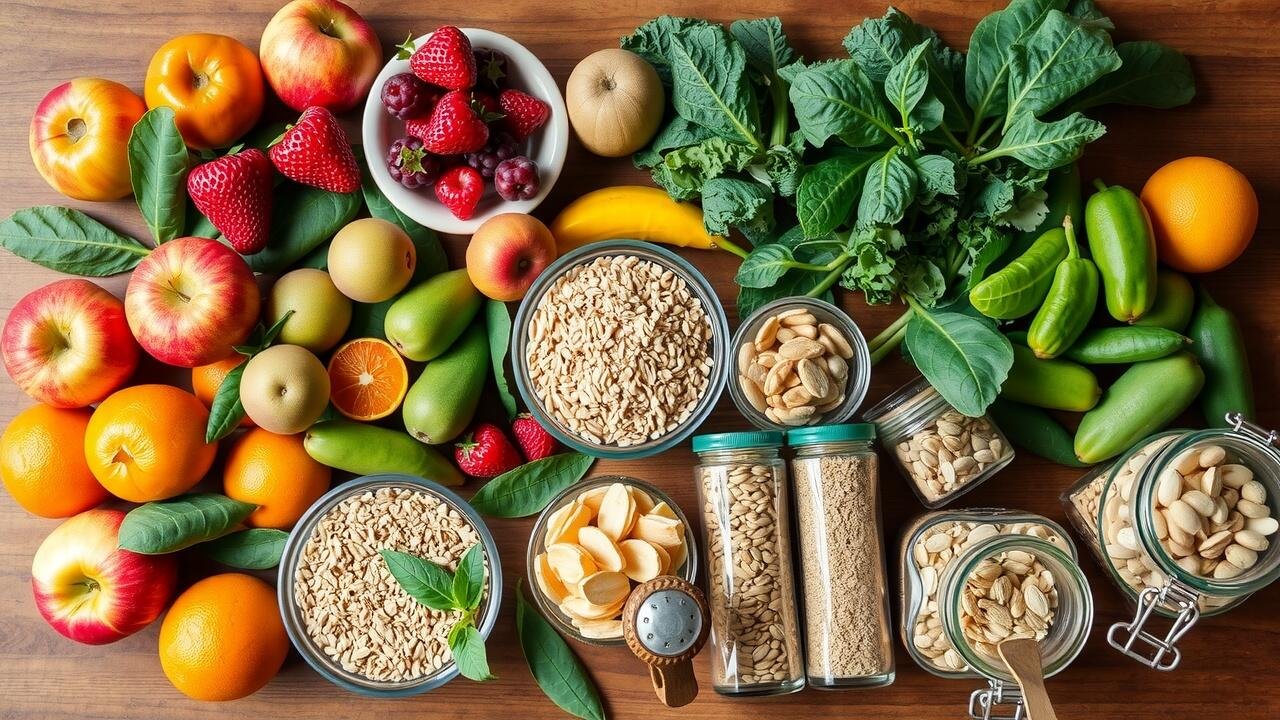
Natural appetite suppressants can serve as effective alternatives to prescription appetite suppressants or over-the-counter appetite suppressant pills. Many individuals seek the best appetite suppressant without caffeine that aligns with their dietary preferences. These options often include herbal supplements or foods known for their appetite-suppressing properties. Quality appetite suppressants in the form of drinks or powders can also help control hunger naturally without relying on caffeine.
Several natural ingredients have shown promise in curbing appetite. For instance, fiber-rich foods are excellent choices for those looking for the best appetite suppressant without caffeine. They promote a feeling of fullness and aid in digestion. Other natural appetite suppressants include certain herbal teas and spices, which can be incorporated into daily meals. Utilizing these short-term appetite suppressants can help maintain a balanced diet and support weight management without the side effects associated with appetite-suppressing medications.
Prescription Appetite Suppressants
Prescription appetite suppressants are typically more potent than over-the-counter appetite suppressants. These appetite-suppressing drugs are often recommended for individuals struggling with obesity or significant weight management challenges. A high-quality appetite suppressor can help control appetite effectively, leading to a decrease in food intake. Many of these appetite suppressant pills work on neurotransmitters in the brain, helping to reduce hunger signals. By focusing on the best appetite suppressant without caffeine, users can avoid potential side effects linked to high caffeine levels while still achieving their weight loss goals.
While prescription options offer significant benefits, they also come with the necessity of a healthcare provider’s supervision. This is crucial to ensure the safety and efficacy of appetite-suppressing pills. Some people may prefer appetite reducers that are available over-the-counter, but these appetite-suppressing pills may vary in their effectiveness. It is essential to evaluate the ingredients and mechanisms of action when selecting an appetite control solution. Ultimately, finding the right appetite suppressor can be a key aspect of effective weight management.
Over-the-Counter Appetite Suppressants
Various over-the-counter options serve as effective hunger suppressants aimed at enhancing appetite management. Many of these products are formulated with natural appetite ingredients, which can help curb appetite without relying on caffeine sources. The best appetite suppressant without caffeine often features potent appetite-reducing compounds that target appetite expression, providing a safe alternative for individuals seeking to manage their weight without the jitters associated with stimulants.
Some of these over-the-counter suppressants may also function as short-term prescription appetite alternatives. They are designed to reduce cravings and help users maintain a controlled eating plan. While long-term use may not be recommended, selecting a natural hunger suppressant can support your weight loss goals effectively. The best appetite suppressant without caffeine can contribute to a balanced approach to appetite control, providing results without the side effects commonly linked to traditional stimulant-based products.
Best Appetite Suppressants Without Caffeine
Finding the best appetite suppressant without caffeine can significantly aid individuals seeking to control hunger cravings without the jitters associated with stimulants. Various options are available, including both natural and over-the-counter solutions. Effective suppressants may work by influencing appetite hormones, thereby helping to manage cravings. For instance, while phentermine suppresses hunger effectively, it is an FDA-approved prescription appetite suppressant that may come with potential side effects. Alternatively, some proven appetite solutions can provide short-term hunger suppression while minimizing the risk of adverse effects. By incorporating these suppressants into a balanced diet, one can successfully curb cravings and enhance their weight management journey.
- Natural fibers like glucomannan can help promote a feeling of fullness.
- Garcinia cambogia extract may inhibit fat production and help reduce appetite.
- 5-HTP (5-Hydroxytryptophan) can increase serotonin levels, which may help regulate appetite.
- Apple cider vinegar has been linked to reduced appetite and improved weight loss results.
- Protein-rich foods and supplements can enhance satiety and control hunger levels.
- Chromium picolinate is a mineral that may help manage cravings and stabilize blood sugar levels.
- Drinking water before meals can create a sense of fullness, leading to reduced calorie intake.
Top Natural Options for Appetite Control
Natural appetite suppressants have gained popularity as the best appetite suppressant without caffeine. These options often come from dietary supplements that promote fullness and reduce hunger signals. For those seeking alternatives to prescription weight-loss drugs like phentermine, these natural suppressants can be quite effective. They fit well into a normal diet and may enhance weight-loss efforts without the jitters associated with caffeine.
Certain foods can also act as natural suppressants. For example, fiber-rich fruits and vegetables help to prolong satiety, making them excellent choices for anyone aiming to control their appetite. Clinical nutrition experts recommend a balanced approach, integrating effective medications alongside whole foods. Opting for dietary supplementary products that contain natural ingredients can provide the best appetite suppressant without caffeine, catering to a broader range of dietary preferences.
Effective Over-the-Counter Choices
Effective over-the-counter appetite suppressants can provide valuable support for those seeking weight loss. Options include various natural supplements that have anti-obesity properties, helping individuals manage their calorie intake while adhering to a calorie-controlled diet. Choosing the best appetite suppressant without caffeine is essential for those who want to prevent tiredness and maintain energy levels. Many of these weight loss supplements focus on promoting mindful eating, making it easier to recognize hunger cues and avoid unnecessary snacking.
Some over-the-counter choices also incorporate anti-anxiety ingredients, which can aid in reducing emotional eating habits. These alternatives present a viable option for those not wishing to rely on regular prescription drugs or prescription pills. By integrating effective over-the-counter appetite suppressants into a holistic approach that includes diet changes and exercise, individuals can achieve their weight loss goals more efficiently. Selecting the right products can complement lifestyle adjustments, leading to sustainable results.
The Role of Appetite-Suppressing Foods
Appetite-suppressing foods play a critical role in achieving weight loss goals and managing obesity without relying on caffeine-based solutions. Certain supplements and dietary choices, often highlighted in nutrition reviews, can be considered among the best appetite suppressants without caffeine. Foods rich in dietary fiber reduce hunger pangs and promote satiety, aligning well with reduced-calorie eating plans. Integrating these foods into diet plans not only enhances the effectiveness of weight-loss supplements but also boosts mood, which is essential during the weight loss journey. While some individuals may turn to common medications or prescription treatments, opting for a natural approach through appetite-suppressing foods can often yield satisfactory results without the risk associated with certain weight loss prescriptions.
List of Foods That Help Curb Hunger
Certain foods are recognized for their ability to act as the best appetite suppressant without caffeine. Foods high in fiber, like legumes, whole grains, and vegetables, play a crucial role in slowing down stomach emptying. This process leads to a prolonged feeling of fullness, making it easier to adhere to a reduced-calorie diet. Incorporating these foods into your eating practices can naturally boost metabolism while helping to curtail cravings between meals, ultimately supporting fat elimination.
Protein-rich foods also stand out as effective snacks for curbing hunger. Lean meats, dairy products, and plant-based proteins provide essential nutrients that promote good metabolism and keep you satiated for longer. Unlike stimulant drug amphetamine, which may suppress appetite artificially, these natural options align with a healthier approach to weight management. Including these protein sources in your daily intake can assist in maintaining energy levels while effectively combating hunger.
How to Incorporate Appetite-Suppressing Foods into Your Diet
Incorporating appetite-suppressing foods into your daily eating plans can be straightforward. Start your day with a hearty breakfast daily, focusing on high-fiber options like oatmeal or chia seeds. These foods can help manage hunger throughout the day. Consider integrating warm drinks such as herbal teas, which may support serotonin levels, promoting a feeling of fullness. For those looking for the best appetite suppressant without caffeine, these options can serve as effective snacksif you sense cravings emerging.
To further curb food binges, aim for calorie-reduced diets that include protein-rich snacks. Nuts, Greek yogurt, and certain fruits can be excellent choices. Additionally, focus on identifying the right nighttime snack that can help maintain satiety without excessive calories. Many individuals find that including these top supplements alongside diabetic prescription medications works best in achieving long-term prescription weight goals. Prioritizing these appetite-suppressing foods can lead to a more controlled eating pattern and better overall health.
| Food Type | Appetite-Suppressing Ingredient | Benefits |
|---|---|---|
| Oatmeal | High Fiber | Promotes fullness and stabilizes blood sugar levels. |
| Chia Seeds | Omega-3 Fatty Acids | Helps to keep you full longer and aids digestion. |
| Greek Yogurt | Protein | Helps with muscle maintenance and reduces hunger. |
| Nuts | Healthy Fats | Provides satiety and supports heart health. |
| Herbal Teas | Serotonin Boost | Promotes a sense of fullness and relaxation. |
Evaluating Appetite Suppressants for Weight Loss
Understanding the landscape of appetite suppressants for weight loss involves careful evaluation of various products. Many supplements on the diet scene promise significant results, particularly those that classify as the best appetite suppressant without caffeine. These pills often aim to suppress hunger during critical eating times, helping users manage cravings, even against temptations like late-night snacks. The migraine drug topiramate has emerged as a weight loss ingredient that some users find effective; however, its use must be weighed against potential addiction risks and side effects. Alongside anti-diabetes medication, which can also support weight loss, it becomes essential to consider which loss drugs genuinely offer benefits without unwanted complications.

Key Factors in Choosing an Effective Appetite Suppressant
Choosing the best appetite suppressant without caffeine involves understanding the specific needs of your body. Certain medications meant for weight loss can enhance metabolism and help you shed extra fat effectively. A popular off-label prescription option is dospan, which reduces blood sugar levels and supports a healthy metabolism. However, it is essential to evaluate any pill’s potential side effects and ensure that it aligns with your health goals.
The effectiveness of an appetite suppressant can also depend on its ingredients and how they interact with your body. For instance, some suppressants specifically target fat burning through various mechanisms. If a pill claims to enhance metabolism and keep food stay in your system longer, it may offer dual benefits. Selecting the best appetite suppressant without caffeine requires careful consideration of these factors to find one that supports not just weight loss but overall well-being.
Conclusion
Understanding the various options for appetite suppression can significantly enhance your weight management strategies. The best appetite suppressant without caffeine works by utilizing specific ingredients that help reduce hunger and prevent overeating. Options such as phentermine may offer potent effects, but natural alternatives like protein supplementation can also effectively boost satiety. Incorporating these suppressants into a balanced diet, coupled with moderate exercise, can further enhance their effectiveness. Exploring these strategies allows for a comprehensive approach to achieving and maintaining your desired weight.
FAQS
What are appetite suppressants?
Appetite suppressants are substances that help reduce the feeling of hunger, making it easier for individuals to manage their food intake and support weight loss efforts.
How do appetite suppressants work?
Appetite suppressants typically work by affecting neurotransmitters in the brain that control hunger, or by promoting feelings of fullness, thereby reducing overall calorie consumption.
Are there natural appetite suppressants?
Yes, many natural appetite suppressants include foods and herbs such as fiber-rich vegetables, fruits, protein sources, and certain spices that can help curb hunger without the use of caffeine.
Can you recommend some effective over-the-counter appetite suppressants without caffeine?
Some effective over-the-counter options include fiber supplements like glucomannan, herbal options like hoodia, and products that contain natural ingredients known for their appetite-suppressing properties.
How can I incorporate appetite-suppressing foods into my diet?
To incorporate appetite-suppressing foods, focus on adding high-fiber foods, lean proteins, healthy fats, and hydrating foods like fruits and vegetables to your meals, while also staying mindful of portion sizes.
What are the best appetite suppressant for weight loss options available without caffeine?
When looking for an appetite suppressant for weight loss that does not contain caffeine, many options exist, including certain over-the-counter appetite-suppressing drugs that can effectively reduce cravings. These appetite-suppressant pills are known to help in managing obesity by curbing food cravings and enhancing metabolism without the stimulant effects of caffeine. Long-term prescription appetite medications may also be available, but make sure to consult a healthcare professional about potential suppressant side effects. Additionally, dietary prescriptions that include dietary fiber reduce hunger and are helpful in suppressing appetite naturally, making them a good choice for those seeking to control late-night snacks and manage their overall caloric intake effectively.
What weight loss medication can help manage hunger without the use of caffeine or stimulants?
Effective weight loss medication options that act as appetite suppressants include pills that help curb food cravings. These suppressant products often enhance metabolism and reduce cravings, allowing users to manage obesity more effectively. It’s important to note that while some may be available over-the-counter, others require prescription weight loss medication and should be discussed with a healthcare professional. Clinical nutrition advice can also guide individuals on dietary fiber reduces hunger, further supporting weight management efforts.
What types of pills are commonly recommended as the best appetite suppressant options without caffeine for those looking to manage hunger?
The pills that are known to help curb food cravings and reduce cravings for late night snacks include those that enhance metabolism without using stimulants. Some options are available as off-label prescriptions, which can be considered by free-living overweight individuals looking for assistance. Clinical nutrition experts like Espen recommend certain medications that may boost metabolism and support weight loss, particularly for those who are hungry or coffee drinkers seeking alternatives to stimulant-based solutions.
How can dietary supplements enhance my metabolism while acting as appetite suppressants without caffeine?
Some dietary supplements that enhance metabolism and act as appetite suppressants without caffeine can effectively reduce cravings and curbs food cravings. These supplements, often categorized as weight-loss pills, can help manage hunger for individuals who find themselves eating late-night snacks or those who have insufficient control over their appetite. Clinical nutrition experts often suggest looking into these options, as they can positively influence the brain experience of appetite while also boosting metabolism.
How do the best appetite suppressants we can take without caffeine function in terms of metabolism and cravings?
The best appetite suppressants without caffeine often work by enhancing metabolism to help manage weight. These options may also include ingredients that reduce cravings, particularly for late night snacks. Many supplements designed for this purpose can help the brain experience appetite control and positively affect metabolism, thus providing a balanced approach to hunger management compared to stimulant medications like phentermine. Furthermore, some clinical nutrition espen products are formulated to support overall wellness while keeping cravings in check.
What are some natural ingredients that can act as an appetite suppressant and reduce cravings for late night snacks without caffeine?
Some natural ingredients that can act as appetite suppressants and reduce cravings include fiber-rich foods, which increase metabolism and enhance feelings of fullness. Others may include certain herbs and extracts that boost metabolism and act without the need for stimulant medications meant for weight loss, such as phentermine. These natural options may support weight management by curbing late night snacks and improving overall appetite control.
How can medication meant to suppress appetite include options that reduce cravings and boost metabolism for managing late night snacks if they don’t contain stimulants like phentermine?
Some appetite suppressants that enhance metabolism without containing stimulants include natural supplements and certain medications meant to manage cravings. These options may provide benefits such as increasing metabolism, reducing cravings for late night snacks, and promoting weight loss effectively.
What benefits can I expect from medication meant to suppress appetite that boosts metabolism and reduces cravings for late night snacks if it does not contain stimulants like phentermine?
Medication meant to suppress appetite can enhance metabolism and increases metabolism, which often leads to better weight management. These options often include ingredients that reduces cravings, particularly for late night snacks if caffeine and other stimulants are avoided, allowing for healthier eating patterns.
How can natural supplements act as appetite suppressants that boost metabolism for those who wish to reduce late night snacks if they avoid stimulants like phentermine?
Natural supplements that act as appetite suppressants can enhance metabolism by using ingredients that promote thermogenesis and fat oxidation. These options provide support in managing late night snacks if you prefer to avoid stimulant phentermine and focus on natural, non-stimulant alternatives.
What are the effects of the best appetite suppressants that can enhance metabolism for reducing late night snacks if they do not contain stimulants?
The best appetite suppressants that enhance metabolism can significantly help manage late night snacks if they include ingredients that boost metabolism. These appetite suppressants work by reducing hunger signals and can maintain energy levels without the jitters typically associated with stimulants.

