Key Takeaways
- Comprehending Hunger Blockers
- Dietary Elements in Curbing Hunger
- Top Foods for Hunger Control
- Adding Top Foods for Hunger Control to Your Meal Plan
- Additional Techniques to Boost Hunger Regulation
- Possible Adverse Effects of Hunger Blockers
Understanding Appetite Suppressants
Appetite suppressants play a crucial role in managing food intake by helping individuals control their appetite. These substances can mitigate food cravings and promote appetite suppression, making it easier to adhere to diets. Among the best appetite suppressant foods are natural foods rich in fiber and protein, which not only nourish the body but also help regulate hunger levels. Incorporating these foods into meals and snacks can lead to more effective appetite control. People seeking to manage their weight often turn to these appetite suppressants as they work to minimize excessive snacking and promote a balanced diet.
What Are Appetite Suppressants?
Appetite suppressants are substances or foods that help reduce feelings of hunger, making it easier for individuals to stick to a weight-loss diet or maintain a healthy diet. The best appetite suppressant foods often include those rich in dietary fiber, protein, and healthy fats. These foods promote satiety, allowing for better control over snacking and meal portions. Many people also find that incorporating spicy foods into their meals can contribute to decreased appetite and increased metabolic rates, further aiding in weight management.
Processed foods tend to lack the nutritional value needed for a balanced diet and can lead to overeating. In contrast, prioritizing wholesome, nutrient-dense options can support healthy eating habits. By choosing the best appetite suppressant foods, individuals can create satisfying meals that align with their nutritional goals. Striking the right balance in one’s diet not only helps with suppressing appetite but also promotes overall well-being and long-term weight management.
How Appetite Suppressants Work
Appetite suppressants operate by targeting the body’s hunger hormones and altering the way they signal hunger. Ingredients such as diethylpropion play a significant role in the effectiveness of these supplements, often reducing cravings and promoting a feeling of fullness. Incorporating best appetite suppressant foods into daily meals can further support this process. Snacks that include high-fiber content, such as hot cereal, can prolong satiety, leading to fewer overeating episodes.
Clinical nutrition plays a crucial role in designing meal replacement options that are rich in protein and fiber. Consulting a nutritionist can provide personalized recommendations on dietetic strategies that effectively incorporate these foods. By understanding the mechanisms behind appetite suppression, individuals can make informed choices that align with their weight management goals. Choosing the right ingredients will enhance the nutritional value of meals and optimize appetite control.
| Appetite Suppressant Ingredient | Mechanism of Action | Food Sources |
|---|---|---|
| Diethylpropion | Reduces cravings and promotes fullness | N/A |
| Fiber | Prolongs satiety and stabilizes blood sugar | Hot cereal, fruits, vegetables, whole grains |
| Protein | Increases feeling of fullness and reduces hunger hormones | Lean meats, dairy, legumes, nuts |
| Glucomannan | Absorbs water and expands in the stomach | Konjac root (supplement form) |
Nutritional Factors in Suppressing Appetite
Dietary choices play a vital role in suppressing appetite and managing hunger effectively. Incorporating the best appetite suppressant foods into daily meals can significantly impact calorie intake and overall health. Nutritious ingredients such as dietary fiber found in whole grains and cereals contribute to a feeling of fullness, making them popular choices among those seeking to combat obesity. Almond butter, low in saturated fats yet rich in healthy fatty acids, can also serve as a satisfying snack that helps curb cravings. The Food and Drug Administration (FDA) recognizes the importance of these components in obesity medicine, highlighting their benefits for weight management while ensuring that consumers are aware of the nutritional aspects of their diets.
Role of Fiber in Appetite Control
Dietary fibers play a significant role in controlling appetite by promoting a feeling of fullness. Foods high in fiber, such as vegetables and whole grains, are among the best appetite suppressant foods. Including fiber-rich ingredients in lunch dishes can enhance satiety while providing essential nutrients. Many sauces can be enhanced with fiber-dense ingredients, making meals both satisfying and nutritious. The impact of these natural appetite suppressants is particularly beneficial in combatting obesity.
Known appetite suppressants like legumes and fruits contribute to a balanced diet that reduces cravings. Fiber slows digestion, allowing for gradual nutrient absorption. This process helps maintain stable blood sugar levels, making it easier to resist unhealthy snacking. Incorporating foods rich in dietary fibers, such as those replaced with canola oils, ensures a more fulfilling eating experience. Opting for these appetite-suppressing foods can effectively support weight management in a healthy manner.
Importance of Protein-Rich Foods
Protein-rich foods are among the best appetite suppressant foods available. They have a remarkable appetite-suppressing effect, largely due to their ability to enhance feelings of fullness and satisfaction. By incorporating these hunger-fighting foods into meals, individuals can achieve significant appetite reduction and improve appetite control. Natural appetite supplements in the form of whole foods not only suppress hunger but also provide essential nutrients that contribute to overall health and well-being.
Certain foods, especially those high in protein, can be instrumental in appetite management strategies. Energy-dense snack foods, like nuts and Greek yogurt, offer a convenient way to consume protein while ensuring satiety between meals. Choosing these protein-rich options can aid in metabolic processes and keep cravings at bay, making them ideal for those seeking long-term weight management solutions.
| Protein-Rich Food | Protein Content (per 100g) | Benefits |
|---|---|---|
| Chicken Breast | 31g | High in protein, low in fat, promotes muscle growth |
| Greek Yogurt | 10g | Probiotic benefits, aids digestion, enhances fullness |
| Almonds | 21g | Healthy fats, increases satiety, rich in vitamins and minerals |
| Quinoa | 14g | Complete protein source, gluten-free, high in fiber |
| Tofu | 8g | Plant-based protein, versatile, supports heart health |
Best Appetite Suppressant Foods
Finding the best appetite suppressant foods is essential for those looking to manage their cravings without resorting to a restrictive diet. These foods can help promote the feeling of fullness, making it easier to stick to a diet plan. Solid foods that are high in fiber, protein, and healthy fats often play a crucial role in regulating appetite hormones, thus reducing the desire for snacks, including salty and high-fat foods. Incorporating your favorite foods that fall into these categories allows for a satisfying approach to controlling hunger. Choosing food low in empty calories ensures you get the benefits of the best appetite suppressant foods while enjoying a balanced diet. While some may turn to suppressant medications, natural alternatives can be just as effective with the right combinations of appetite-suppressing qualities.
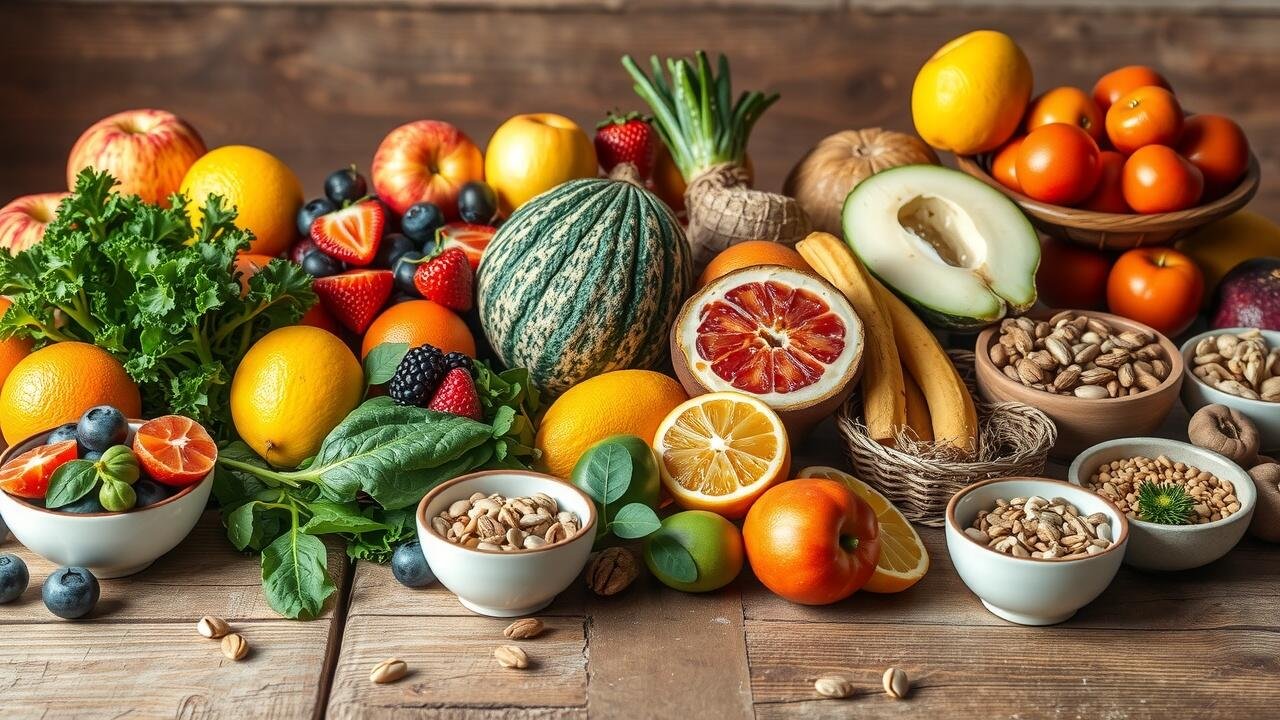
Vegetables That Help Suppress Appetite
Incorporating high-volume vegetables into your meals can be one of the best appetite suppressant foods available. Options like leafy greens, broccoli, and cucumbers are not only low in calories but also rich in fiber, making them ideal for a reduced-calorie diet. These satiety-boosting foods can be consumed as a nutritious snack or added to various dishes, enhancing their bulk without significantly increasing calorie intake. For those looking to manage their weight, these vegetables provide effective food options that help in achieving a healthy eating plan.
Eating vegetables regularly can lead to decreased hunger and greater satiety, which aids in sticking to a weight management strategy. Including these high-volume foods in your snacking routine can support your appetite control efforts. A dietitian can offer personalized nutrition support, suggesting specific vegetable choices tailored to your preferences and goals. Making these best appetite suppressant foods a staple in your diet can enhance your overall health while keeping cravings at bay.
Fruits Known for Appetite-Suppressing Qualities
Fruits serve as some of the best appetite suppressant foods due to their high fiber and water content. Incorporating fruits like apples, berries, and oranges can be particularly effective during usual snack times, helping curb hunger without the addition of empty calories. Their natural sweetness makes them a great afternoon snack, especially when paired with higher-protein foods like Greek yogurt or nuts. Consuming these fruits often helps manage constant hunger and reduce the urge for carbohydrate-rich foods that can lead to snack attacks.
Integrating fruits into breakfast meals or as part of a meal replacement drink can provide satiety and energy throughout the day. Bananas and avocados, for example, not only satisfy cravings but also complement high-fat meals by providing essential nutrients. These fruits can help you feel less hungry and control dietary choices, ensuring that you maintain a balanced intake while benefiting from the best appetite suppressant foods available.
Whole Grains That Support Weight Management
Whole grains are considered among the best appetite suppressant foods due to their high fiber content, which helps regulate hunger hormones in the body. These fiber-rich foods promote a feeling of fullness and can reduce overall calorie intake. Incorporating whole grains, such as quinoa, brown rice, and oats, into a balanced nutrition plan can support healthy weight-loss goals. Replacing refined grains with whole grains is a simple yet effective strategy for those seeking to manage their weight.
Whole grains also complement higher-protein diets by providing the necessary carbohydrates for energy. Eating these edible items as part of a healthy weight-loss diet can enhance digestive health and increase the intake of essential nutrients. Moreover, pairing whole grains with probiotic-rich foods can further support gut health while helping to suppress appetite. This combination not only aids in weight management but also contributes to overall wellness.
Incorporating Best Appetite Suppressant Foods into Your Diet
The best appetite suppressant foods can significantly enhance your eating experience by incorporating various ingredients that promote satiety. Including items like low-fat dairy and beneficial fats in your meals can help you eat plenty while feeling satisfied. For those pesky cravings during nighttime snacking, opting for a light snack such as a meal replacement bar can be a smart choice. It is essential to avoid sugar to prevent quick energy spikes and crashes. Making food interesting with flavors and textures can keep you engaged while enjoying the anti-obesity properties of these foods, ultimately supporting your appetite control goals.
Meal Ideas Featuring Appetite Suppressants
Creating balanced meals with the best appetite suppressant foods can be an effective way to manage hunger. A full meal might include a combination of lean proteins, plenty of vegetables, and whole grains. For breakfast, consider a morning cereal topped with low-fat milk and fresh fruit to kickstart your day. Bagel eaters can swap traditional spreads for a protein-rich option like cottage cheese or nut butter, enhancing satiety while avoiding fatty toppings that may undermine their appetite control.
Snacks are an excellent opportunity to incorporate appetite suppressants into your daily routine. Opt for a post-workout hunger fix by blending a smoothie with spinach, protein powder, and a banana for a nutrient-dense option. You can also prepare a snack plate with snap peas, hummus, and sliced apples, using the same ingredients that promote fullness. Maintaining mindful mealtime habits can further enhance the effectiveness of these foods, ensuring you feel satisfied and energized throughout the day.
Snacks That Effectively Suppress Appetite
Including snacks that deliver hunger-fighting power is crucial for anyone looking to manage obesity effectively. Whole-grain puffed cereals rank among the best appetite suppressant foods due to their high fiber content, which can help maintain a feeling of fullness. Pairing these cereals with healthy fats, such as nuts or avocado, not only enhances the taste response part of your meals but also supports satiety until your next meal.
Low-calorie salads packed with colorful vegetables are another excellent option for suppressing appetite. These salads can be drizzled with natural supplements like olive oil to introduce healthful fat into your diet. With their crunchy texture and vibrant flavors, they help stave off cravings for unhealthy fats, making them a preferred choice for anyone seeking the best appetite suppressant foods while enjoying their snacks.
- Incorporate Greek yogurt for a protein-rich snack that supports fullness.
- Choose raw veggies with hummus for a crunchy, low-calorie option.
- Snack on air-popped popcorn for a high-fiber, satisfying treat.
- Opt for fruits like apples or berries that provide natural sweetness and fiber.
- Consider dark chocolate in moderation, as it can curb cravings and enhance satisfaction.
- Include small servings of cottage cheese, which are packed with protein and low in calories.
- Try energy bites made from oats and nut butter for a nutritious, balanced snack.
Other Strategies to Enhance Appetite Suppression
Focusing on hydration and mindful eating can significantly enhance appetite suppression. Drinking plenty of fluids, especially water and juices, can help manage intake and promote a feeling of fullness. Incorporating best appetite suppressant foods, such as foods high in water like cucumbers, can also be beneficial. Meals that include salad calories and are accompanied by fat-free dressing can fill you up without adding excessive calories. Choosing lean meats and pairing them with fat-free plain yogurt can boost satisfaction while keeping digestive upset at bay. Furthermore, opting for a carbohydrate meal rich in fiber, such as whole grains, can support nutrient absorption and further control hunger levels.
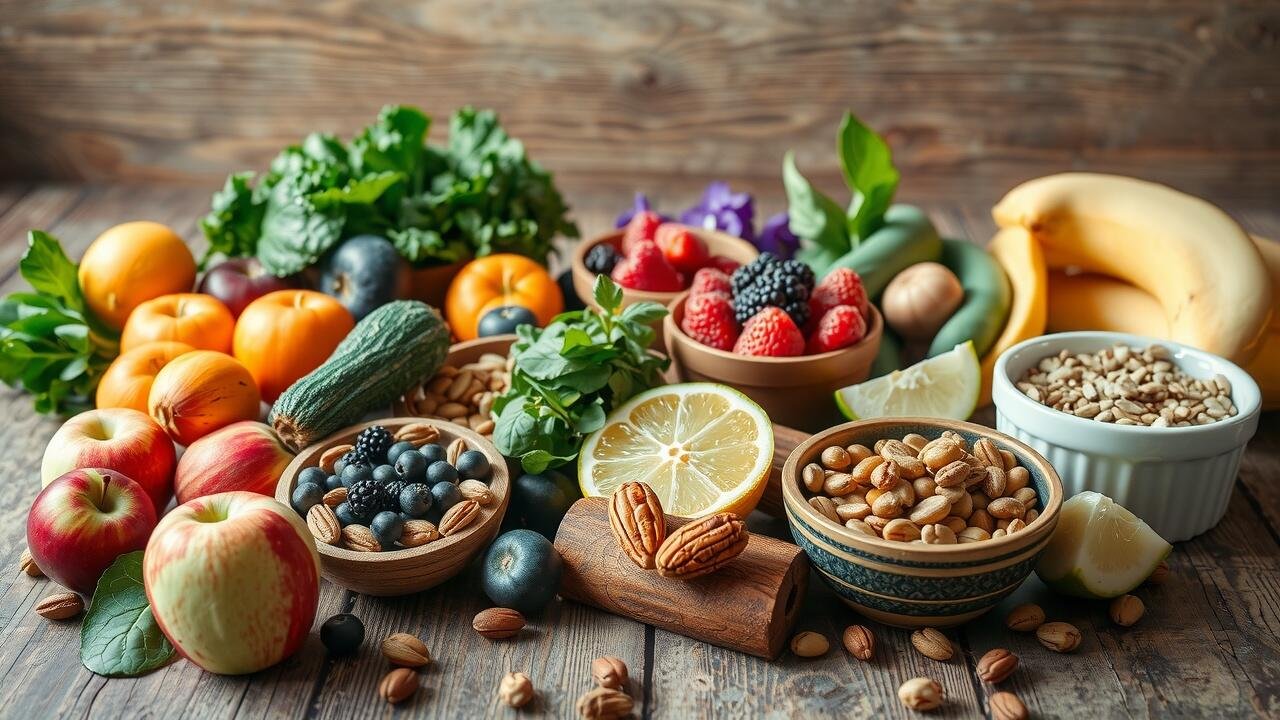
Hydration and Its Effect on Appetite
Drinking enough water can significantly influence appetite regulation. Research indicates that staying hydrated may lead to reduced feelings of hunger, as thirst can sometimes be misinterpreted as hunger. Consuming best appetite suppressant foods such as watermelon and oranges not only contributes to hydration but also provides essential nutrients. Soups, especially those low in calories, can also promote a feeling of fullness, which helps to suppress appetite effectively during meals.
High caffeine intake and many supplements are linked to increased thirst, which may inadvertently lead to consuming fewer calories. A dietetic association spokesperson suggests that incorporating water-rich foods into meals can slow stomach emptying, thereby enhancing feelings of satiety. For example, enjoying a hearty bowl of soup as part of an entire lunch can assist in suppression of cravings for sweets and other high-calorie snacks.
Mindful Eating Practices
Practicing mindful eating encourages eaters to focus on their food choices and the experience of eating. It can lead to better awareness of hunger cues and fullness, promoting healthier choices such as best appetite suppressant foods. Incorporating non-starchy vegetables and main-dish salads can help make meals more satisfying and lower in calories. Awareness of portion sizes and the fat present in certain oils can prevent unnecessary calorie intake, contributing to the management of unwanted pounds.
Listening to the body’s signals can also prevent overeating and make it easier to enjoy the best appetite suppressant foods. Omega-3 fats, often found in fish and certain oils, can promote a healthy gut and overall well-being. For those struggling with weight issues, consulting an obesity specialist can provide valuable insights into effective strategies and supplements. Mindful eating practices can become a powerful tool in the journey toward better health and weight management.
Potential Side Effects of Appetite Suppressants
Appetite suppressants may offer benefits for those aiming to support weight loss, but they can also come with potential side effects. Some individuals might experience altered taste perceptions, making foods less enjoyable during mealtimes. For instance, while incorporating best appetite suppressant foods like lean meat and fiber-rich vegetables can enhance fat burning and foster healthier dietary habits, cravings for salty chips may arise as a counterbalance. Seeking balance through different recipes, including egg breakfast options or healthy drinks, can mitigate negative experiences. Understanding these potential side effects is crucial for anyone looking to effectively manage their weight while enjoying meals that align with their appetite control goals.
- Altered taste perceptions can lead to decreased enjoyment of meals
- Increased cravings for unhealthy snacks or foods
- Possible gastrointestinal issues, such as nausea or constipation
- Risk of mood swings or irritability due to changes in diet
- Potential for dependency on appetite suppressants for hunger control
- Changes in energy levels, leading to fatigue or lethargy
- Interaction with other medications or health conditions may occur
Conclusion
The journey toward achieving and maintaining a healthy weight can be supported by incorporating the best appetite suppressant foods into your daily meals. Smoothie ingredients like spinach and berries can be blended with glucomannan supplements for an extra edge in appetite control. Regular salad dressing on vegetable salads and entree salads can enhance flavor while promoting high fiber intakes. A big salad can serve as a satisfying main dish, packed with lean protein options that further aid in managing hunger. By adopting these healthy habits and combining them with knowledge of nutrition, individuals can effectively navigate their weight loss journeys.
FAQS
What are appetite suppressants?
Appetite suppressants are substances that help reduce the feeling of hunger, making it easier to control food intake and manage weight.
How do appetite suppressants work?
They work by influencing neurotransmitters in the brain, increasing feelings of fullness, and slowing down digestion, which can lead to reduced hunger signals.
What role does fiber play in appetite control?
Fiber adds bulk to your meals, promoting a feeling of fullness, slowing digestion, and helping regulate blood sugar levels, all of which contribute to appetite control.
Why are protein-rich foods important for appetite suppression?
Protein-rich foods can enhance feelings of fullness, reduce hunger hormones, and increase metabolic rate, making them effective in managing appetite.
Can fruits and vegetables really help suppress appetite?
Yes, many fruits and vegetables are low in calories but high in fiber and water content, which can help you feel full and satisfied while maintaining a healthy diet.
What are some effective appetite-suppressing foods recommended by nutritional sciences and how do they influence weight management effects?
According to research from Purdue University nutrition, foods that help create a feeling of fullness include high-fiber foods and those high in water, like cucumbers, watermelon, oranges, and soups. Incorporating these fullness foods into your meals, alongside being mindful of salty foods and fatty meats, can aid in medical weight loss. Additionally, appetite-suppressing supplements may support a balanced diet when combined with these recommended foods to achieve effective weight management effects.
What foods high in water can be included in your meals to help with appetite control?
Foods high in water, like cucumbers, watermelon, oranges, and soups, are excellent choices for appetite control as they can be included in an entire meal. These nutritional sciences suggest that foods with high water content can help reduce the feeling of hunger when eaten, making them ideal for those looking to manage their appetite effectively.
What are some foods that can help suppress appetite and what types of fat do they contain?
Some foods that can help suppress appetite include those rich in fiber, protein, and healthy fats. Foods such as avocados and nuts not only provide essential nutrients but also contain healthy fats that keep you feeling full longer. Understanding how the appetite isn’t solely controlled by what you eat can help in making better dietary choices, particularly focusing on how dietary fat can influence feelings of fullness.
What are some foods that can be included in your diet to help control hunger, and what types of fat do they contain?
Some foods that can help control hunger include avocados, nuts, and fatty fish. These foods provide healthy fats, such as monounsaturated and omega-3 fatty acids, which are beneficial for appetite control. Understanding the types of fat they contain can aid in creating a balanced diet that manages hunger effectively.
What are some foods that can help in appetite suppression and what specific types of fat do they contain?
Foods that help in appetite suppression typically include those that are high in fiber and protein, such as legumes, nuts, and whole grains. These foods not only keep you feeling full longer but also contain healthy fats that are essential for nutrition. For example, nuts are a great choice as they are rich in beneficial fat, and avocado is another excellent source that contains monounsaturated fats. Incorporating these foods into your diet can enhance your weight management by controlling hunger effectively.
What are some foods that can aid in appetite control and what types of fat do they contain?
Certain foods that can aid in appetite control include avocados, nuts, and olive oil, which are known for their healthy fat contains. These sources of fat can help you feel fuller for longer and reduce overall hunger.

