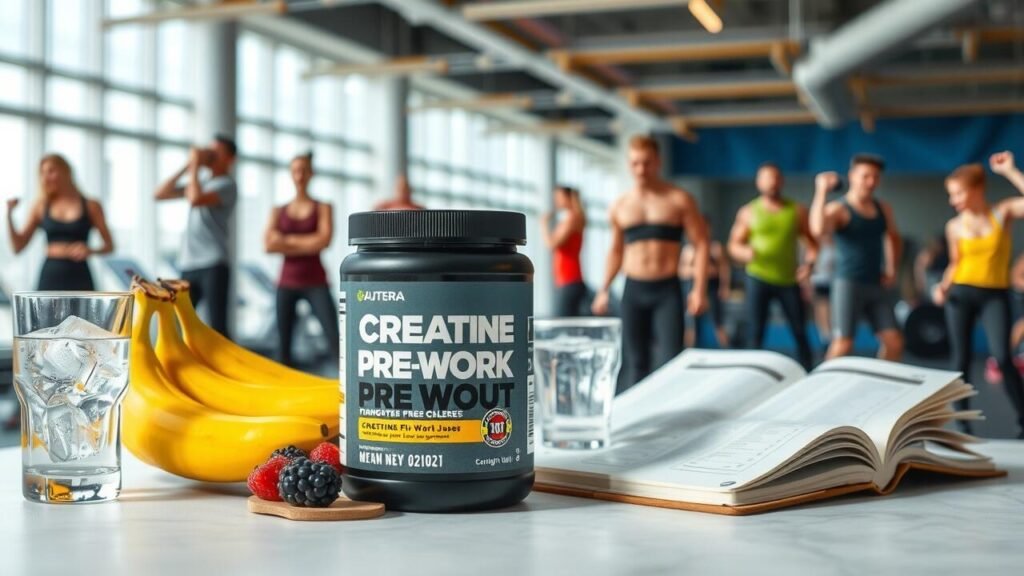
The Importance of Hydration for Endurance
Hydration plays a crucial role in maintaining optimal performance during endurance activities. As the body engages in prolonged physical exertion, it loses fluids through sweat and respiration. This loss can lead to dehydration, which negatively impacts athletic performance by causing fatigue, decreased coordination, and impaired cognitive function. Athletes must prioritize fluid intake before, during, and after workouts to sustain energy levels and ensure smooth physiological processes.
Additionally, proper hydration supports nutrient transport within the body. When muscles are well-hydrated, they can more effectively utilize the nutrients provided through diet and supplements. An adequate water supply enhances blood volume, promoting efficient circulation and oxygen delivery to the muscles. Consequently, staying hydrated not only sustains endurance but also allows the athlete to recover faster post-exercise.
How Water Intake Affects Supplement Efficacy
Water plays a crucial role in the absorption and effectiveness of pre-workout supplements. Many ingredients found in these supplements, such as creatine and beta-alanine, require adequate hydration for optimal utilization by the body. Insufficient water intake can lead to decreased plasma volume, which may hinder the transport of these essential nutrients to the muscles. This can result in less effective workouts and diminished endurance performance, negating the intended benefits of the supplement.
Moreover, proper hydration helps maintain electrolyte balance, which is vital during prolonged physical activity. An imbalance can impair muscle function and increase the risk of cramping or fatigue. When pre-workout supplements are consumed without adequate water, their potential advantages can be greatly reduced. Prioritizing hydration not only enhances the effects of these supplements but also supports overall stability and endurance during workouts.
The Role of Nutrition in Enhancing Endurance
Nutrition plays a crucial role in optimizing performance and sustaining energy during endurance activities. Consuming a balanced diet rich in carbohydrates, proteins, and healthy fats helps athletes meet their energy demands. Carbohydrates serve as the primary fuel source for prolonged exertion, while proteins aid in muscle recovery and rebuilding. Micronutrients, such as vitamins and minerals, also contribute to metabolic processes, ensuring that the body functions efficiently during intense physical activities.
Timing of nutrient consumption is equally important for maximizing endurance. A pre-workout meal that includes easily digestible carbohydrates can provide a quick energy boost. Some individuals prefer to use supplements for added convenience, allowing for targeted nutrient intake without the heaviness of a full meal. The choice between whole foods and supplements often depends on personal preferences and individual digestive tolerance. Experimenting with different approaches can help athletes identify what works best for them.
Pre-Workout Meals vs. Supplements
A balanced meal taken before exercise can provide essential nutrients and energy needed for sustained performance. Carbohydrates serve as a primary fuel source, while proteins aid in muscle repair and growth. Foods rich in healthy fats can also contribute to longer-lasting energy, but timing is crucial; consuming a meal too close to a workout may lead to discomfort. Common options include oatmeal with fruit, a smoothie, or whole-grain toast with peanut butter.
On the other hand, pre-workout supplements are designed for convenience and quick energy. These products often contain a blend of carbohydrates, caffeine, and other performance-enhancing ingredients, allowing athletes to consume a concentrated dose of nutrients rapidly. While they can boost workout intensity and endurance, they may not provide the same nutritional benefits as whole foods. The choice between meals and supplements depends on personal preferences, timing, and overall workout goals.
Potential Side Effects of Pre-Workout Supplements
Pre-workout supplements, while beneficial for enhancing performance, can lead to various side effects for some individuals. Common reactions include increased heart rate, jitteriness, and digestive issues. These symptoms often stem from high caffeine levels or other stimulants included in the formulation. Overstimulation can affect both physical and mental states, leading to feelings of anxiety and restlessness, which may hinder the desired effects of the workout.
Another concern among users is the potential for developing a tolerance to certain ingredients in these supplements. Regular consumption may result in diminished effects over time, prompting individuals to increase dosages to achieve the same benefits. This cycle can lead to complications, including dependency on the product for workout motivation. Additionally, side effects can vary significantly based on personal health conditions and sensitivities, emphasizing the need for individuals to approach these supplements with caution.
Understanding Tolerance and Sensitivity
Tolerance and sensitivity to pre-workout supplements can vary widely among individuals. Factors such as genetics, diet, and exercise habits all contribute to how one’s body reacts to specific ingredients. For some, the stimulating effects of caffeine may offer a significant boost, enhancing focus and energy levels. Others may experience adverse effects, such as jitters or increased heart rate, even with lower doses. Understanding these differences is crucial for choosing the appropriate supplement for endurance training.
Monitoring personal responses to different pre-workout formulations is essential for optimizing performance and safety. It is advisable for users to start with smaller doses to assess their reactions before progressively increasing intake. Keeping a journal to track workouts and any side effects can provide insights into what combinations work best. This approach allows individuals to tailor their supplementation strategy in a way that enhances endurance without compromising overall well-being.
FAQS
What should I look for in a pre-workout supplement for endurance?
When choosing a pre-workout supplement for endurance, look for ingredients such as beta-alanine, citrulline malate, and BCAAs, which can enhance performance and reduce fatigue. Additionally, consider options that include electrolytes for hydration support.
How much water should I drink when taking pre-workout supplements?
It is recommended to drink at least 16-20 ounces of water before consuming a pre-workout supplement. Staying hydrated throughout your workout is crucial, so make sure to continue drinking water before, during, and after your session.
Can I combine pre-workout supplements with my meals?
Yes, you can combine pre-workout supplements with a balanced meal. Consuming a meal that includes carbohydrates and protein about 1-2 hours before your workout can complement the effects of your supplement, providing sustained energy for endurance.
Are there any side effects associated with pre-workout supplements?
Some potential side effects of pre-workout supplements include jitters, increased heart rate, and gastrointestinal discomfort. It’s important to start with a small dose to assess your tolerance and consult with a healthcare professional if you have any concerns.
How does my individual tolerance affect the effectiveness of a pre-workout?
Individual tolerance can vary greatly depending on factors such as body weight, sensitivity to caffeine and other stimulants, and overall health. It’s essential to choose a pre-workout that matches your sensitivity level and to start with a lower dose to determine how your body reacts.
Related Links
best pre workout for endurance
Is pre-workout good for endurance?
What pre-workout is best for cardio?