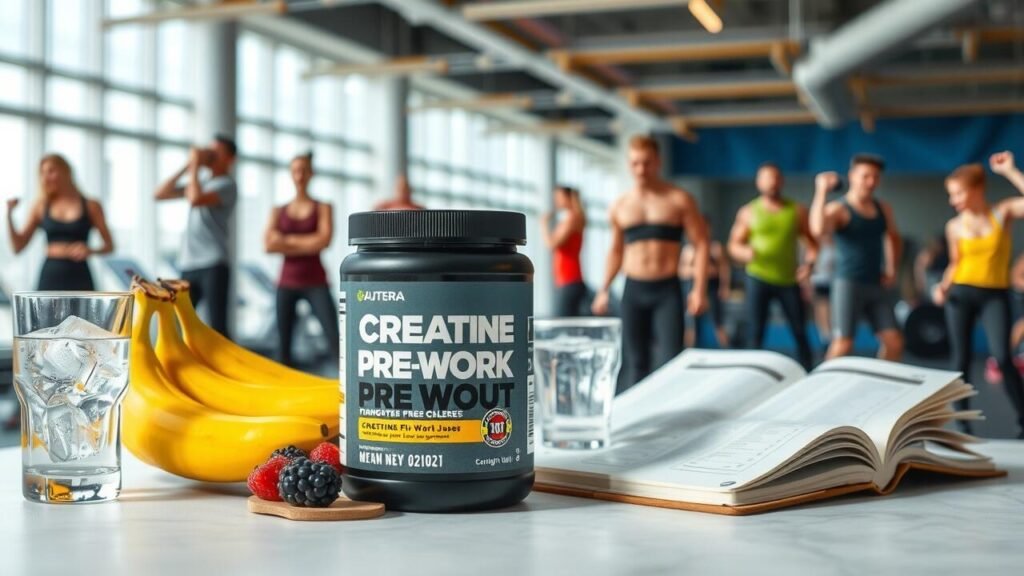
Potential Side Effects of Pre-Workouts
Athletes often seek pre-workout supplements to enhance performance, but these products can come with a range of side effects. Common issues include jitters, increased heart rate, and digestive discomfort. Some individuals may experience headaches or nausea, particularly when consuming high doses of caffeine or other stimulants. It is essential to monitor personal reactions closely since sensitivity varies from person to person.
In addition to physical symptoms, pre-workouts can also impact mood and sleep patterns. Ingredients like caffeine can lead to sleep disturbances if taken too close to workout times or bedtime. Overreliance on these supplements may lead to anxiety or increased stress levels. Athletes should assess their individual tolerance and consider consulting a healthcare professional before incorporating any new supplement into their routine.
Recognizing and Managing Adverse Reactions
Athletes may experience various adverse reactions when using pre-workout supplements. Common symptoms include jitters, anxiety, rapid heartbeat, and digestive issues. Recognizing these signs early can help individuals make informed decisions about their supplement choices. It’s important to monitor how the body responds, especially when trying a new product for the first time. If severe reactions occur, discontinuing use immediately and consulting a healthcare professional is prudent.
Managing these reactions often involves adjusting dosages or switching to different ingredients. Maintaining hydration can alleviate some symptoms, as dehydration sometimes exacerbates side effects. Opting for pre-workouts with a transparent label allows athletes to understand exactly what they are consuming. Keeping a detailed record of how different ingredients affect performance and well-being can help tailor future supplement use more effectively.
Timing Your Pre-Workout Intake
The timing of pre-workout intake plays a critical role in maximizing performance benefits. Consuming a pre-workout supplement between 30 to 60 minutes before exercise is generally recommended. This time frame allows the body to absorb the ingredients effectively and start experiencing the intended effects as the workout begins. Individual responses may vary, so athletes should consider their personal digestion rates and workout intensity.
Monitoring the effect of different timing can help tailor pre-workout consumption to personal preferences. Athletes might find that ingesting a pre-workout too far in advance can lead to diminished effects by the time of exercise. Conversely, consuming it too close to the workout might result in discomfort. Experimentation with timing allows for optimal preparation and ensures peak energy levels during training sessions.
Optimal Consumption for Maximum Benefits
The timing of pre-workout consumption plays a crucial role in maximizing the benefits of these supplements. Typically, athletes should aim to take their pre-workout about 30 to 60 minutes before starting their exercise routine. This allows sufficient time for the ingredients to be absorbed into the bloodstream, potentially enhancing focus, endurance, and strength during workouts. Individual factors such as metabolism and personal tolerance to stimulants can influence this timing, making it essential to experiment to find what works best for each person.
Additionally, the dosage is just as important as the timing when it comes to consumption. Following recommended serving sizes is key to avoiding any adverse effects while ensuring optimal performance enhancement. Some formulations may contain a blend of ingredients that synergize well when taken together, amplifying their effects. Careful monitoring of one’s response to different pre-workout products can help athletes tailor their intake for the most effective results, leading to improved performance without compromising safety.
Pre-Workout Alternatives for Natural Energy
Natural energy boosters can effectively enhance athletic performance without the potential pitfalls of synthetic pre-workout supplements. Whole foods play a crucial role in providing sustained energy levels. Foods rich in complex carbohydrates, such as oatmeal and whole grain bread, release glucose slowly into the bloodstream. This gradual release helps to maintain energy levels throughout a workout session. Incorporating fruits like bananas or apples offers quick yet lasting energy, thanks to their natural sugars and fiber content.
In addition to carbohydrates, incorporating healthy fats and proteins can contribute to lasting energy. Nuts and seeds provide essential fatty acids that are not only good for overall health but also help fuel the body during prolonged activities. Greek yogurt is another excellent option that combines protein with carbohydrates, making it a great pre-workout snack. These natural alternatives can be easily integrated into an athlete’s diet, supporting performance goals without the side effects often associated with commercial pre-workout products.
Whole Foods and Their Energizing Effects
Whole foods offer a natural alternative to traditional pre-workout supplements, providing essential nutrients that help maximize energy levels and enhance performance. Foods like bananas, oats, and sweet potatoes are rich in carbohydrates, allowing for a steady release of energy during workouts. These complex carbohydrates not only fuel muscles but also promote sustained endurance. Incorporating lean proteins, such as chicken or Greek yogurt, can support muscle repair and growth, making them excellent companions to carbohydrate sources.
Fruits and vegetables are also vital components of an athlete’s pre-workout nutrition. Foods high in antioxidants and vitamins, such as berries and spinach, help reduce oxidative stress and inflammation. This can lead to improved recovery and overall performance. Additionally, staying hydrated is crucial, and incorporating hydrating foods like watermelon or cucumbers can aid in maintaining optimal hydration levels before engaging in physical activity. Whole foods thus provide a comprehensive approach to boosting energy while contributing to long-term health and athletic performance.
FAQS
What ingredients should I look for in a pre-workout supplement?
Look for ingredients like caffeine for energy, beta-alanine for endurance, and branched-chain amino acids (BCAAs) for muscle recovery. Additionally, citrulline malate can help improve blood flow and reduce fatigue.
Are there any side effects associated with pre-workout supplements?
Yes, potential side effects can include jitters, increased heart rate, digestive issues, and sleep disturbances. It’s important to start with a lower dosage to assess your tolerance.
When is the best time to take a pre-workout?
The optimal time to take a pre-workout supplement is typically 30 to 60 minutes before your workout to allow the ingredients to kick in and maximize their benefits.
Can I achieve energy boosts without using pre-workout supplements?
Absolutely! You can opt for whole foods like bananas, oatmeal, or smoothies with natural ingredients to provide energy without the use of supplements.
How do I choose the best pre-workout for my specific athletic needs?
Consider your training goals, sensitivity to stimulants, and dietary restrictions. It’s also helpful to read reviews and consult with a nutritionist or fitness expert to find a suitable option for you.
Related Links
best pre workout for athletes
Is pre-workout good for athletes?
Which is the no. 1 pre-workout?