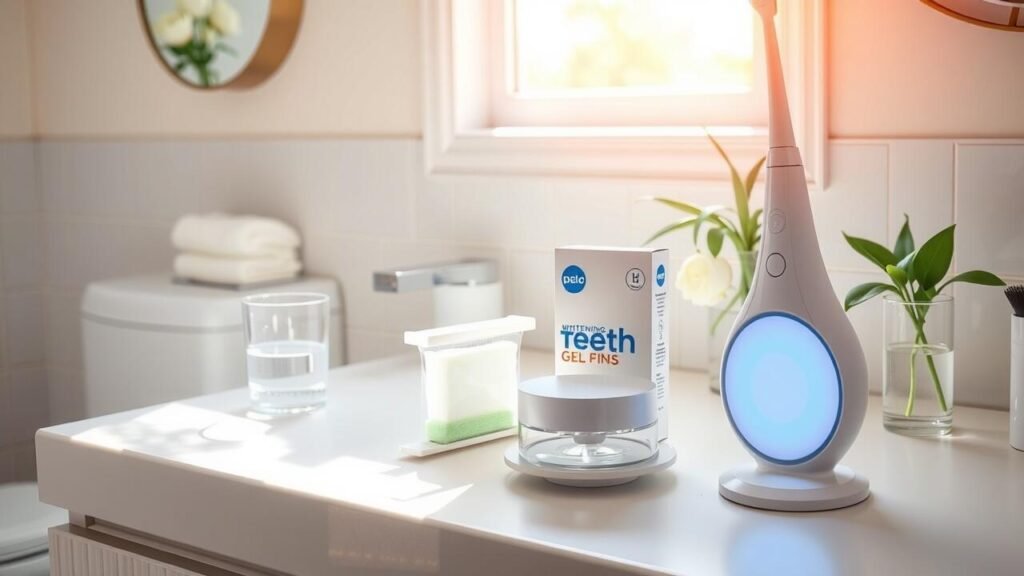
Comparing Whitening Toothpastes
When searching for effective whitening toothpastes, smokers should focus on products that specifically target stains caused by tobacco. Many brands offer formulas infused with baking soda, which can gently polish teeth and reduce surface stains. Others include charcoal, known for its absorbent properties, which can help remove discoloration. Additionally, some whitening toothpastes contain hydrogen peroxide, a common bleaching agent that can penetrate enamel to lighten deeper stains.
It’s essential to consider the abrasive nature of certain whitening agents. While some abrasives can effectively remove stains, they may also wear down enamel over time if used excessively. Smokers should seek a balance between effective stain removal and gentle cleansing. Reading product reviews and choosing ADA-approved options can lead to safer and more effective choices for maintaining a brighter smile.
Key Ingredients to Look For
When selecting a whitening toothpaste tailored for smokers, certain ingredients should be prioritized to effectively combat stains caused by tobacco. Look for products containing hydrogen peroxide, a well-known bleaching agent that penetrates enamel to lift deep stains. Another effective component is carbamide peroxide, which works similarly and can be gentler on sensitive gums. Together, these agents can provide noticeable whitening results with consistent use.
Additionally, some whitening toothpastes incorporate silica or baking soda, which help polish teeth and remove surface stains without being overly abrasive. These ingredients not only contribute to a brighter smile but also help maintain overall oral health by preventing plaque accumulation. Choosing a toothpaste with fluoride is also beneficial, as it strengthens enamel and protects against cavities, making it an essential component for maintaining the health of a smoker’s teeth while achieving a whiter appearance.
Duration of Teeth Whitening Results
The effectiveness and longevity of teeth whitening outcomes vary widely depending on the method employed. For example, professional whitening treatments may yield results that last from six months to two years, while over-the-counter products often provide more temporary effects. Regular maintenance and touch-ups, especially for smokers, can help prolong the brightness achieved through these treatments.
Individual habits can also play a significant role in sustaining teeth whitening results. Smokers typically experience faster discoloration due to the staining properties of tobacco. Consistent oral hygiene practices, along with avoiding stain-causing substances and frequent dental cleanings, can significantly influence how long whiter teeth remain.
Factors Influencing Longevity
The lifespan of teeth whitening results can be influenced by various factors, particularly dietary choices. Foods and beverages that are high in pigmentation, such as red wine, coffee, and dark berries, can contribute to the re-staining of teeth. Smoking itself is another major factor, as nicotine and tar can build up on teeth, diminishing the aesthetic appeal of any whitening treatment.
Additionally, individual oral hygiene habits play a crucial role in how long whitening effects last. Regular brushing and flossing help to maintain a brighter smile by removing plaque and preventing new stains from forming. Routine dental cleanings can also enhance the longevity of whitened teeth, as professional cleanings can eliminate surface stains and keep the enamel healthy.
Maintaining White Teeth After Treatment
After undergoing teeth whitening treatment, maintaining the results requires a proactive approach. Regular dental hygiene practices—brushing, flossing, and using a mouthwash—are essential in preventing the accumulation of stains. Smokers should consider using whitening toothpaste or rinse that specifically targets tobacco stains. It can help combat discoloration on a daily basis and enhance the overall brightness of the teeth.
Dietary choices play a significant role in maintaining white teeth. Consuming foods that can stain, such as coffee, tea, and red wine, should be moderated. Drinking water after consuming such beverages can mitigate their staining effects. Additionally, smoking cessation programs not only improve overall dental health but also contribute to longer-lasting whiteness by reducing the primary source of staining. Opting for touch-up treatments or periodic professional cleanings can further support the preservation of a bright smile.
Best Practices for Smokers
Maintaining white teeth as a smoker requires a proactive approach. Regular dental check-ups play a vital role in managing stains and ensuring overall oral health. Using a straw when consuming beverages known to cause staining can minimize contact with teeth. Additionally, rinsing with water immediately after smoking can help wash away harmful residues that contribute to discoloration.
Incorporating specific dental hygiene products into a daily routine is essential. Consider choosing a toothpaste designed for smokers, which often contains ingredients that target tobacco-related stains. Using an electric toothbrush can enhance brushing effectiveness, leading to better stain removal. Mouthwashes with antibacterial properties can further support oral hygiene by reducing plaque buildup and freshening breath, creating an overall healthier environment for teeth.
FAQS
What are the most effective teeth whitening options for smokers?
The most effective teeth whitening options for smokers include professional whitening treatments, whitening strips, and specially formulated whitening toothpastes that contain ingredients like hydrogen peroxide or carbamide peroxide.
How can I choose the right whitening toothpaste?
Look for whitening toothpastes that contain key ingredients such as hydrogen peroxide, baking soda, or activated charcoal, as these can help remove stains caused by smoking. Additionally, ensure the toothpaste is safe for daily use and approved by dental associations.
How long do teeth whitening results last for smokers?
The duration of teeth whitening results can vary, but typically, results can last anywhere from a few months to a year for smokers. Factors like smoking frequency, oral hygiene practices, and diet can influence how long the results last.
What factors can affect the longevity of teeth whitening results?
Factors that can affect the longevity of teeth whitening results include the frequency of smoking, consumption of staining foods and beverages (like coffee or red wine), oral hygiene habits, and the type of whitening treatment used.
What are some best practices for maintaining white teeth after treatment?
To maintain white teeth after treatment, smokers should practice good oral hygiene by brushing and flossing regularly, avoid smoking as much as possible, limit consumption of staining foods and drinks, and consider using a whitening toothpaste as part of their daily routine.
Related Links
best teeth whitening for smokers
How to whiten smokers’ yellow teeth?
Can smokers’ teeth be whitened?