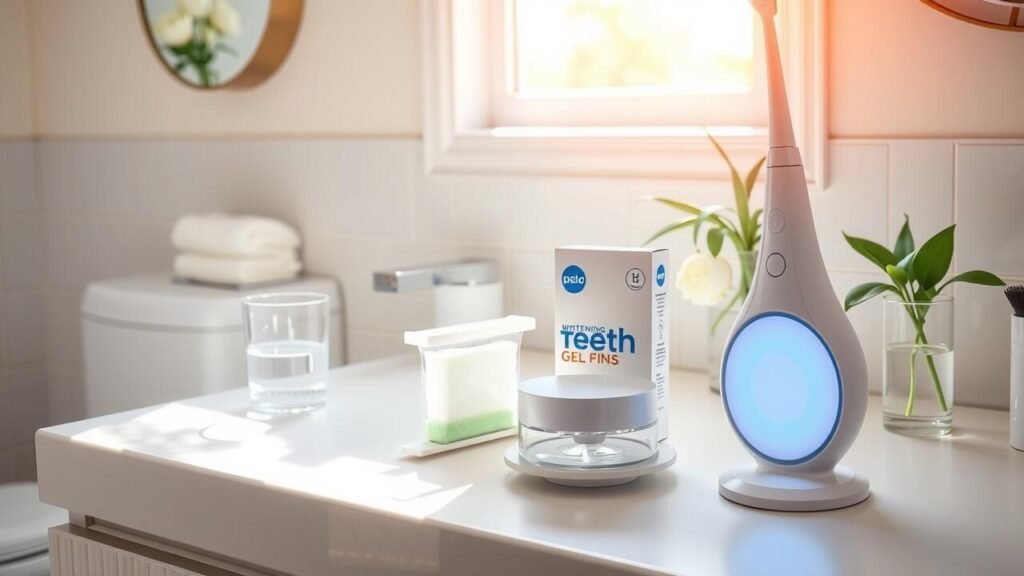
Maintaining Results After Whitening
After undergoing a teeth whitening treatment, maintaining the newfound brightness requires attention to daily habits. Regular oral hygiene is essential for preserving results. Brushing twice a day with fluoride toothpaste and flossing regularly helps remove surface stains and plaque. Using a whitening toothpaste in moderation can also assist in maintaining the color, but it should not substitute regular brushing practices.
Diet plays a significant role in how long whitened teeth stay bright. Consuming stain-causing foods and beverages such as coffee, tea, red wine, and berries can contribute to discoloration. Rinsing the mouth with water after consuming these items or using a straw for drinks can minimize direct contact with teeth. Regular dental check-ups and professional cleanings aid in removing stubborn stains, further supporting the longevity of whitening effects.
Effective Oral Hygiene Practices
A consistent oral hygiene routine is crucial for maintaining the brightness achieved through teeth whitening. Daily brushing with fluoride toothpaste helps remove surface stains and prevent plaque buildup. Flossing should be an integral part of oral care, allowing individuals to clean hard-to-reach areas between teeth. Using an antibacterial mouthwash can further enhance freshness and contribute to overall dental health. Keeping these practices in check not only prolongs the effects of whitening but also promotes long-term oral wellness.
Regular dental check-ups are important for monitoring the health of your teeth and gums. Professional cleanings can eliminate tartar and stains that may develop over time, ensuring your smile remains vibrant. Dentists can also offer personalized advice on the best tools and techniques suited to your specific needs. This combination of at-home care and professional support helps sustain the results of whitening treatments and enhances overall dental hygiene.
Understanding Tooth Discoloration
Tooth discoloration affects many individuals, leading to concerns about aesthetics and overall oral health. The color of teeth can change over time due to various factors. Lifestyle choices such as diet and smoking often contribute to surface stains. Additionally, age plays a significant role, as the enamel thins and the underlying dentin becomes more visible.
Beyond external influences, intrinsic factors can also cause discoloration. Certain medications, particularly antibiotics like tetracycline, may lead to changes in tooth color during dental development. Conditions such as excessive fluoride exposure and trauma to teeth can further exacerbate the issue. Understanding these causes is essential for effective prevention and treatment strategies.
Causes of Stains and Yellowing
Food and drink choices significantly impact tooth color. Items such as coffee, tea, red wine, and soda contain pigments that can adhere to enamel. Over time, acids from these substances erode enamel, exposing the darker dentin beneath. Sugary foods can lead to plaque buildup, which may worsen discoloration if not addressed through proper oral hygiene.
Tobacco use also plays a crucial role in staining. The tar and nicotine in cigarettes can create deep-set stains that are difficult to remove. Age is another factor, as enamel naturally thins over time, making teeth more susceptible to yellowing. Additionally, certain medications and health conditions can alter tooth color, contributing to an uneven or discolored appearance.
Comparing Whitening Methods
Various teeth whitening methods are available, each boasting unique advantages. Professional whitening treatments conducted by dentists often yield the fastest and most noticeable results. These procedures typically utilize higher concentrations of bleaching agents, resulting in a more effective treatment compared to at-home options. However, they can be more expensive and may require multiple visits.
In contrast, over-the-counter whitening products such as strips, gels, and toothpaste offer a more accessible route for consumers. While these DIY options are generally less expensive, they may take longer to achieve desired outcomes and can vary significantly in effectiveness. The concentration of active ingredients is usually lower in these products, which may lead to gradual whitening over an extended period. Understanding the differences between these methods can help individuals choose the approach that best fits their needs and budget.
Effectiveness and Longevity of Results
Different teeth whitening methods can yield varying degrees of effectiveness. Professional treatments, typically performed by dentists, often provide immediate and noticeable results. These methods, such as in-office bleaching, can reach deeper stains while minimizing damage to the enamel. Over-the-counter options, like whitening strips or gels, may offer more gradual improvements but can still yield satisfactory results, depending on the severity of discoloration.
The longevity of the results can also differ widely based on the chosen method and individual oral care habits. Professionally applied treatments can last for several months to a couple of years if well-maintained. In contrast, home whitening products may require more frequent applications to sustain their effects. Factors such as diet, oral hygiene, and lifestyle choices play crucial roles in how long whitening results remain visible.
FAQS
What is the healthiest teeth whitening method?
The healthiest teeth whitening methods typically involve natural options, such as using baking soda or activated charcoal, as well as professional treatments that minimize damage to the enamel, like whitening strips with lower concentrations of peroxide or dental office treatments guided by a professional.
Are there any side effects associated with teeth whitening?
Yes, some common side effects of teeth whitening can include tooth sensitivity, gum irritation, and uneven results if not used properly. It’s important to follow instructions carefully and consult with a dentist if you experience discomfort.
How can I maintain my teeth whitening results?
To maintain your teeth whitening results, practice effective oral hygiene, avoid foods and beverages that stain teeth (like coffee, tea, and red wine), and consider touch-up whitening sessions or using whitening toothpaste as part of your regular routine.
Is professional whitening better than at-home methods?
Professional whitening treatments often provide faster and more noticeable results compared to at-home methods. However, they can be more expensive. At-home methods can be safer and more convenient if done according to guidelines and with appropriate products.
How long do teeth whitening results typically last?
The longevity of teeth whitening results can vary based on the method used, oral hygiene practices, and dietary habits. Generally, results can last from several months to a few years, with good maintenance and avoidance of stain-causing substances.
Related Links
LED teeth whitening vs strips
Can I use whitening strips if I have gum disease?
Does LED whitening work better than strips?