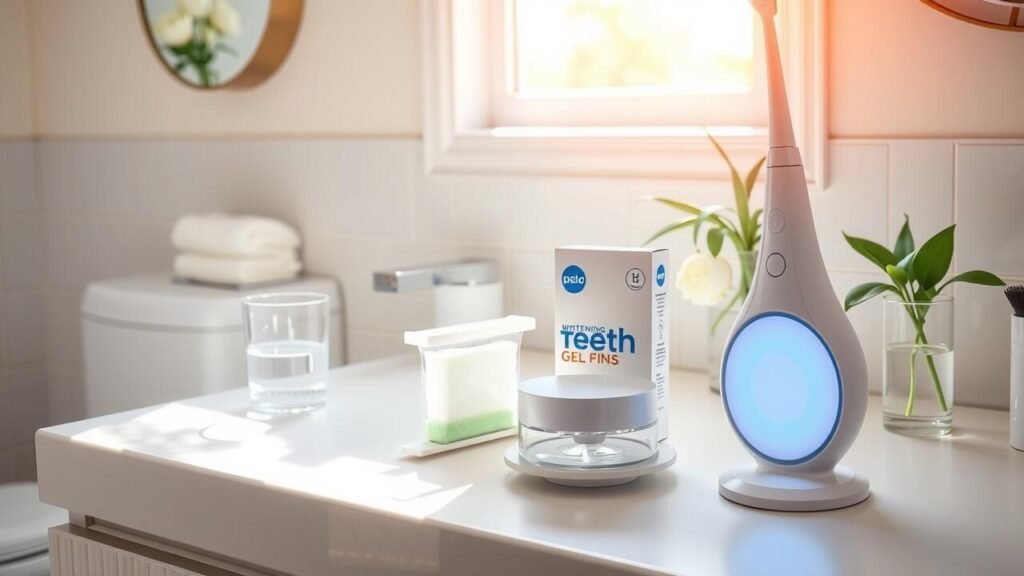
Maintaining Your Whitening Results
After undergoing a teeth whitening process, it is crucial to adopt practices that help sustain the results. Regular oral hygiene routines play a significant role in maintaining a bright smile. Brushing twice a day, alongside daily flossing, can prevent the build-up of stains. Using a whitening toothpaste also helps in keeping colors vibrant while providing protection against plaque and decay.
Dietary choices impact the longevity of whitening results as well. Avoiding foods and beverages known to stain teeth, such as coffee, red wine, and certain berries, is advisable. If indulging in any staining substances, rinsing the mouth with water immediately afterward can help reduce their effects. Regular dental check-ups will also support your efforts, as professional cleanings remove surface stains and reinforce your whitening routine.
Best Practices for Oral Hygiene
Maintaining a consistent oral hygiene routine is essential for keeping teeth looking bright and preventing stains from returning. Regular brushing with fluoride toothpaste, combined with daily flossing, helps remove plaque buildup and food particles that can contribute to discoloration. It’s important to brush for at least two minutes twice a day, ensuring that all surfaces of the teeth are cleaned effectively. Using a soft-bristled toothbrush can reduce the risk of gum irritation while still providing a thorough clean.
In addition to brushing and flossing, rinsing with an antibacterial mouthwash can help reduce plaque and strengthen enamel. Dietary choices also play a critical role in oral health; minimizing the consumption of staining foods and beverages, such as coffee, red wine, and soda, can significantly extend the life of whitening results. Regular dental check-ups and cleanings are another crucial aspect of maintaining a bright smile, allowing professionals to remove stubborn stains and provide personalized advice for your oral care routine.
Potential Side Effects of Teeth Whitening
Teeth whitening procedures can lead to several potential side effects that users should be aware of before undergoing treatment. One common issue is increased tooth sensitivity, which may occur during or after the whitening process. This sensitivity arises due to the bleaching agents penetrating the enamel and may lead to discomfort, especially when consuming hot or cold foods and beverages.
Gum irritation is another side effect that some individuals experience. Whitening agents can irritate the gums, causing temporary inflammation or soreness. While these side effects are usually short-lived, they can be bothersome for some people. It’s essential to follow aftercare guidelines and consult a dental professional if discomfort persists or worsens.
Understanding Sensitivity and Discomfort
Teeth whitening processes can sometimes lead to increased sensitivity for individuals. This sensitivity typically arises due to the bleaching agents penetrating the enamel, affecting the nerve endings within the teeth. After undergoing a whitening treatment, some people report heightened pain when exposed to cold or hot temperatures. It is crucial to recognize that such discomfort is often temporary and may diminish as the teeth acclimate.
While experiencing sensitivity, certain measures can help alleviate discomfort. Using toothpaste formulated for sensitive teeth can provide relief during this period. Additionally, avoiding overly hot or cold foods and beverages immediately after treatment is advisable to mitigate any pain. Patients should also consult their dental professional if sensitivity persists, as they may offer alternative whitening options or protective products to enhance comfort.
Cost Comparison of Whitening Methods
Teeth whitening methods come in a range of prices, making it crucial to understand what each option offers. At the lower end, over-the-counter products like whitening strips and toothpaste are accessible and affordable. These options typically provide gradual results and may require consistent use over several weeks. For those seeking quicker outcomes, professional in-office treatments tend to be pricier but often yield immediate and noticeable results. Such services can be more beneficial for individuals with stubborn stains or those seeking a dramatic smile transformation.
Price disparities also arise when comparing the long-term efficacy of various methods. While at-home kits may seem economical, they can lead to repeated purchases if results do not meet expectations. Conversely, investing in professional treatments might involve a higher upfront cost but can result in longer-lasting effects. Lifestyle factors, such as dietary habits and oral hygiene practices, can further influence how quickly the effects of whitening diminish, making overall cost-effectiveness an important consideration.
Budget-Friendly Options vs. Professional Treatments
Many individuals turn to over-the-counter whitening products as a cost-efficient alternative to professional treatments. Options such as whitening strips, gels, and toothpaste promise noticeable results at a fraction of the price. These products can vary in effectiveness and application time, often requiring consistent use over weeks to achieve desired results. While they may be accessible and convenient, users should exercise caution and select products with dental approval to ensure safety and efficacy.
On the other hand, professional whitening treatments conducted by dentists often provide faster and more dramatic results. These procedures typically involve stronger bleaching agents and tailored applications that can effectively tackle deeper stains. Although the cost is significantly higher than that of at-home solutions, many patients deem the investment worthwhile for the immediate transformation and supervision by a dental professional. Each option carries its own set of pros and cons, making it essential for individuals to assess their needs and budget before deciding.
FAQS
What is the most effective teeth whitening process?
The most effective teeth whitening process varies by individual, but professional treatments offered by dentists typically yield the most noticeable and long-lasting results compared to over-the-counter options.
How long do the effects of teeth whitening last?
The longevity of teeth whitening results can vary but generally lasts from six months to two years, depending on oral hygiene practices and lifestyle factors such as diet and tobacco use.
Are there any side effects associated with teeth whitening?
Yes, some individuals may experience side effects such as tooth sensitivity, gum irritation, or uneven whitening. It is important to consult a dentist before undergoing any whitening treatment to minimize risks.
Can I whiten my teeth at home effectively?
Yes, there are effective at-home whitening options, such as whitening strips or trays, but results may not be as dramatic as those achieved through professional treatments. Consistency and following product instructions are key.
How much does teeth whitening typically cost?
The cost of teeth whitening varies based on the method chosen. At-home kits can range from $20 to $100, while professional treatments can cost anywhere from $300 to $1,000, depending on the clinic and treatment type.
Related Links
best teeth whitening method
What is the most effective whitening for teeth?
What’s the best method to whiten my teeth?