Health Implications of Artificial Sweeteners
The use of artificial sweeteners in supplements like C4 pre-workout has raised concerns regarding their long-term effects on health. Some studies suggest that these synthetic sweeteners may disrupt gut microbiota, potentially affecting digestion and metabolism. Additionally, there is ongoing debate about their role in weight management. While they provide a low-calorie alternative to sugar, some individuals might find themselves craving more sweets, which can counteract intended dietary goals.
The health implications also extend to potential metabolic responses. Research indicates that consuming artificial sweeteners could lead to alterations in insulin sensitivity and appetite regulation. These changes may influence how the body processes carbohydrates, which can be particularly significant for athletes aiming for optimal performance. Understanding these impacts helps consumers make informed decisions about their pre-workout supplements and overall dietary strategies.
Potential Effects on Performance and Health
Many athletes and fitness enthusiasts are drawn to pre-workout supplements for their energy-boosting benefits. However, the inclusion of artificial sweeteners in products like C4 can contribute to a range of health concerns. Research indicates that these sweeteners may affect gut health and metabolic responses, potentially leading to adverse long-term effects. Individuals sensitive to these substances might experience digestive issues or changes in appetite, which could hinder workout performance rather than enhance it.
In addition to potential digestive disturbances, some studies suggest that artificial sweeteners could influence cravings and lead to overconsumption of calories later in the day. The impact of artificial sweeteners on insulin sensitivity also remains a topic of ongoing research, with varying results and interpretations. Given these considerations, it is essential for consumers to weigh the benefits and drawbacks of these additives to make informed choices about their pre-workout supplements.
Alternatives to C4 Without Artificial Sweeteners
For those seeking an alternative to C4 pre-workout that avoids artificial sweeteners, many options are available. Brands focusing on natural ingredients often use stevia, monk fruit, or erythritol as sweeteners. These substitutes provide a low-calorie alternative without the potential drawbacks associated with synthetic options. Additionally, some products emphasize whole-food ingredients, like beetroot powder and citrus extracts, which can enhance performance naturally while offering beneficial nutrients.
Individuals who prefer to make their own pre-workout formulas can choose a combination of ingredients that suit their needs. Ingredients like caffeine from green tea or coffee, beta-alanine, and branched-chain amino acids are popular choices among fitness enthusiasts. By utilizing natural sources for energy and performance enhancement, users can customize their supplement intake to match their dietary preferences and health goals. This approach not only addresses concerns regarding artificial ingredients but also encourages a more holistic perspective on fitness and nutrition.
Exploring Natural Pre-Workout Options
Natural pre-workout options offer a variety of ingredients that can enhance physical performance without the inclusion of artificial sweeteners. Ingredients such as beetroot powder, which is rich in nitrates, can improve blood flow and stamina. Another popular choice is green tea extract, known for its stimulating properties and potential to boost metabolism. Users seeking to avoid synthetic additives may also consider products featuring organic caffeine sources, like yerba mate or guarana, which provide an energy lift alongside additional health benefits.
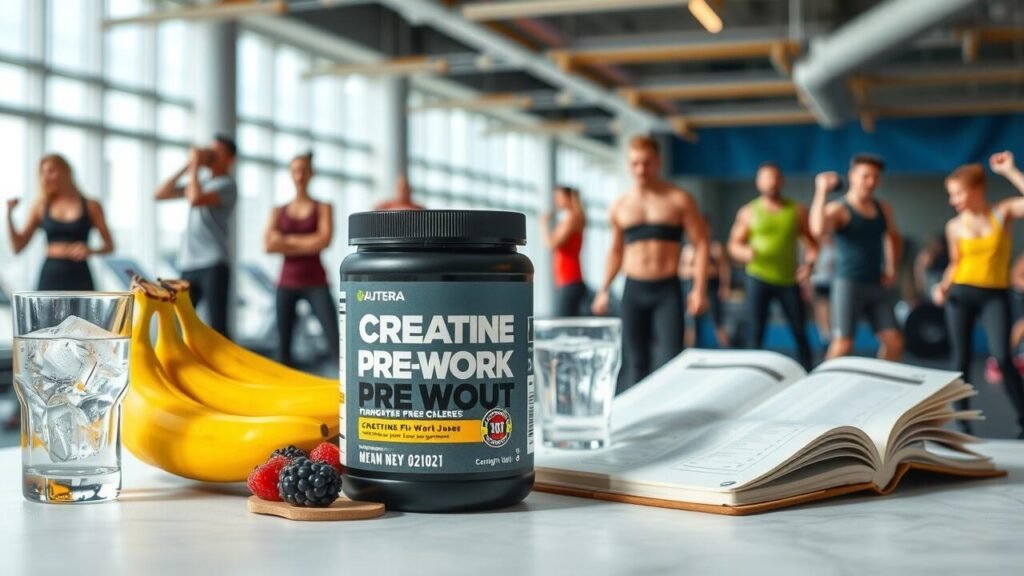
Fruits and vegetables can serve as excellent natural pre-workout options as well. For instance, bananas offer both quick energy release and potassium, essential for muscle function. Spinach and kale can boost nitric oxide levels, promoting better blood circulation to working muscles. These ingredients not only sustain energy but also contribute necessary vitamins and minerals that support overall wellness. By focusing on whole food options, fitness enthusiasts can enjoy a healthier alternative while maintaining their energy levels during workouts.
Consumer Preferences Regarding Sweeteners
Athletes and fitness enthusiasts often exhibit diverse preferences when it comes to sweeteners in their pre-workout supplements. Many individuals are becoming more conscious of the ingredients in their food and beverages, leading to a growing demand for products that are free from artificial additives. This trend reflects a larger shift towards health-conscious choices. As information about the potential side effects of artificial sweeteners becomes more prevalent, consumers seek alternatives that align better with their wellness goals.
Natural sweeteners like stevia and monk fruit have gained traction among those looking for healthier options. These alternatives provide sweetness without the calories associated with sugar or the health concerns linked to some artificial sweeteners. More brands are beginning to recognize this shift, often reformulating their products to meet consumer demand. By prioritizing natural ingredients, manufacturers can appeal to a market that increasingly values transparency and health-conscious formulations.
Trends in Sweetener Choices Among Fitness Enthusiasts
The fitness community is increasingly leaning towards products with natural sweeteners. Many enthusiasts are becoming more informed about the potential health implications of artificial options. This shift reflects a broader consumer trend towards transparency and ingredient integrity. Natural sweeteners often offer the same taste profiles as their artificial counterparts but without the perceived negative side effects.
Social media platforms play a significant role in shaping these preferences. Influencers and fitness leaders frequently share their experiences with different products, leading followers to explore cleaner alternatives. As a result, brands are responding by reformulating their products, seeking to meet the demand for options devoid of artificial ingredients. The growing focus on health and wellness continues to guide consumers toward more wholesome choices, reflecting evolving attitudes within the fitness sphere.
FAQS
Does C4 pre-workout contain artificial sweeteners?
Yes, many formulations of C4 pre-workout do include artificial sweeteners, such as sucralose or acesulfame potassium, to enhance flavor without adding calories.
What are the health implications of consuming artificial sweeteners in pre-workouts?
While artificial sweeteners are generally recognized as safe by health authorities, some studies suggest they may have potential effects on gut health, metabolism, and can even trigger cravings for sweets in certain individuals.
Are there C4 pre-workout options available without artificial sweeteners?
Yes, there are variations of C4 pre-workout that are formulated without artificial sweeteners, often using natural sweeteners instead. Be sure to check the product label for specifics.
What natural alternatives to C4 pre-workout exist for those avoiding artificial sweeteners?
Options such as beetroot powder, coconut water, or products sweetened with stevia or monk fruit can serve as natural alternatives to traditional pre-workout supplements.
How do consumer preferences regarding sweeteners influence pre-workout supplement formulations?
Trends show that many fitness enthusiasts are increasingly favoring pre-workout supplements with natural sweeteners, leading brands to reformulate their products to meet consumer demand for healthier options.
Related Links
best pre workout without artificial sweeteners
Which pre-workout is safest?
Is there a pre-workout without artificial sweeteners?