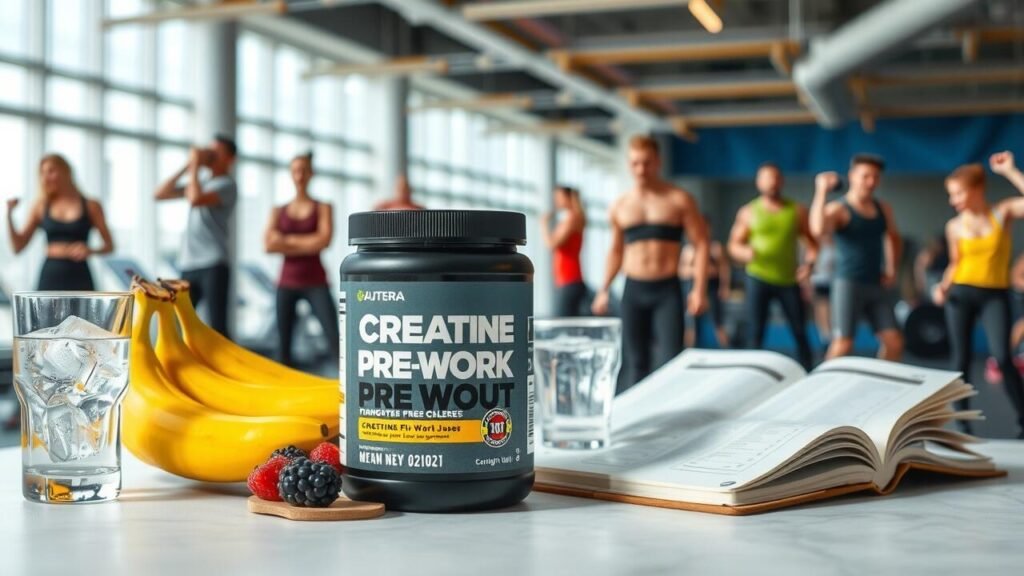
Hydration’s Role in Preventing Discomfort
Staying properly hydrated is essential for maintaining overall digestive health, particularly when consuming pre-workout supplements. Dehydration can exacerbate gastrointestinal issues and increase the likelihood of experiencing discomfort during workouts. Water helps the body absorb nutrients effectively and can mitigate potential side effects from stimulants and other ingredients commonly found in pre-workouts. Ensuring adequate hydration can create a more favorable environment for digestion and nutrient absorption.
The timing of hydration also plays a critical role in how the body reacts to pre-workout formulas. Drinking water before, during, and after taking these supplements can help alleviate feelings of nausea or bloating. This proactive approach supports optimal performance and encourages the body to function efficiently. Addressing hydration needs is a simple yet effective strategy to reduce the risk of gastrointestinal distress while enhancing workout endurance.
Importance of Water Intake with Supplements
Staying hydrated is essential when taking supplements, especially pre-workout formulations. These products often contain stimulants and various active ingredients that can increase heart rate and metabolic processes. Without sufficient water intake, the body may struggle to manage these effects, leading to discomfort and gastrointestinal issues. Proper hydration can help alleviate some of these symptoms, allowing the body to function optimally during physical exertion.
Incorporating an adequate amount of water when using pre-workouts can enhance their effectiveness. Fluids assist in the absorption of nutrients and aid in digestion. This synergy ensures that the body receives the full benefits of the workout supplement, while also promoting a smoother experience during exercise. A general rule of thumb is to drink water before, during, and after taking any supplement to maintain optimal hydration levels.
Choosing the Right Pre-Workout Formula
Selecting a pre-workout formula tailored to individual needs can significantly reduce the risk of gastrointestinal discomfort. Ingredients play a crucial role in this selection process. Formulas high in caffeine or artificial sweeteners may trigger an upset stomach for some users, while others might experience digestive issues from specific amino acids or fillers. Assessing personal tolerance levels and being aware of any dietary restrictions can guide appropriate choices.
Furthermore, opting for transparent labels allows for better understanding of ingredient sources. Prioritize products that disclose their exact amounts of each ingredient rather than relying on proprietary blends, as this transparency can help in identifying potential irritants. Testing different formulas in small dosages can provide insights into how one’s body reacts without overwhelming the digestive system.
Key Features to Look For
When selecting a pre-workout formula, consider its ingredient profile carefully. Look for products that contain essential amino acids, which can support muscle recovery and enhance performance. Ingredients like beta-alanine and citrulline malate are popular for their potential to improve endurance and reduce fatigue during workouts. Additionally, a good pre-workout should not contain excessive amounts of stimulants like caffeine, as these can lead to increased heart rates or gastrointestinal issues.
Another crucial aspect is the presence of natural flavors and sweeteners. Artificial additives may not only affect taste but can also lead to digestive discomfort for some individuals. Opt for formulations that prioritize transparency in labeling, allowing you to understand exactly what you are consuming. Ensuring that a product undergoes third-party testing can also provide peace of mind regarding quality and safety. Taking these factors into account can help you select a pre-workout that aligns with your fitness goals without compromising your well-being.
Alternative Options to Traditional Pre-Workouts
For those looking for alternatives to traditional pre-workouts, natural options can provide a clean energy source without the gastrointestinal distress that some experience with supplements. Foods rich in complex carbohydrates, like oatmeal or whole-grain toast, can offer sustained energy levels and help fuel your workout without causing bloating or discomfort. Adding fruits such as bananas can also enhance energy due to their natural sugars and potassium content, which can aid in muscle function.
Another great alternative includes beverages made from natural ingredients like green tea or matcha. These drinks provide a gentle caffeine boost, improving focus and performance without the jitters commonly associated with synthetic stimulants. Additionally, incorporating a handful of nuts or a scoop of nut butter before exercise can supply healthy fats and protein, energy that sustains longer workouts while minimizing the risk of stomach issues.
Natural Sources of Energy
Natural energy sources offer a variety of options for those looking to enhance their performance without relying on traditional pre-workout supplements. Whole foods can provide sustained energy, making them a suitable alternative. Foods rich in complex carbohydrates, such as oatmeal and whole grain bread, release energy gradually, helping to fuel workouts efficiently. Incorporating fruits like bananas and apples also makes for quick energy boosts due to their natural sugars and vitamins.
In addition to whole foods, certain beverages can serve as natural energy enhancers. Green tea and matcha are popular choices, providing a modest caffeine lift along with antioxidants. Coconut water is another excellent option, offering hydration and electrolytes that support physical activity. These alternatives not only avoid the potential stomach discomfort associated with many pre-workout supplements but also contribute to overall health and well-being.
FAQS
Can pre-workout supplements cause stomach upset?
Yes, pre-workout supplements can cause stomach upset in some individuals due to their ingredients, such as caffeine, artificial sweeteners, or high doses of certain amino acids.
How can hydration help prevent stomach discomfort from pre-workouts?
Staying hydrated can help dilute the ingredients in pre-workout supplements, reducing the risk of gastrointestinal discomfort and aiding in overall digestion.
What should I look for in a pre-workout formula to minimize stomach issues?
Look for pre-workout formulas that contain fewer artificial additives, a balanced amount of caffeine, and ingredients known for being gentle on the stomach, such as BCAAs or natural sources of energy.
Are there natural alternatives to traditional pre-workout supplements?
Yes, natural alternatives include whole foods that provide energy, such as bananas, oatmeal, or smoothies made with natural ingredients, which can be easier on the stomach.
If I experience stomach upset from a pre-workout, what should I do?
If you experience stomach upset, consider adjusting your dosage, switching to a different formula, or trying natural energy sources. If symptoms persist, consult a healthcare professional.
Related Links
best pre workout for sensitive stomach
How to make pre-workout not hurt your stomach?
Which pre-workout doesn’t cause diarrhea?