Exploring Ambient Sounds
Ambient sounds can play a significant role in creating a calming environment for individuals with autism. These sounds often provide a soothing backdrop that can help reduce anxiety and promote relaxation. Many people find that natural sounds, such as birds chirping or wind rustling through trees, can create a peaceful atmosphere. The familiarity of these sounds often helps to ground individuals, allowing them to feel more secure in their surroundings.
Various types of ambient sounds can cater to different sensory preferences. Some individuals may be drawn to the steady rhythm of rainfall, while others might prefer the gentle ebb and flow of ocean waves. Experimenting with a range of these sounds can lead to beneficial effects, such as improved focus or decreased stress levels. Tailoring the auditory environment to meet individual needs can enhance overall well-being, making it an essential aspect of supportive strategies for those on the autism spectrum.
The Power of Gentle Rain and Ocean Waves
Many individuals with autism find comfort in natural sounds. Gentle rain and ocean waves create a serene atmosphere that can reduce anxiety and promote relaxation. The rhythmic pattern of raindrops can mimic a calming heartbeat, offering a sense of security. Similarly, the sound of ocean waves crashing on the shore can evoke images of peaceful beaches, providing an escape from overwhelming stimuli.
These natural soundscapes can transform a space into a soothing retreat. Some studies suggest that such sounds may help improve focus and support better sleep patterns for those on the autism spectrum. By integrating these elements into daily routines, individuals may experience a more tranquil environment that supports their sensory needs.
The Use of Noise Machines
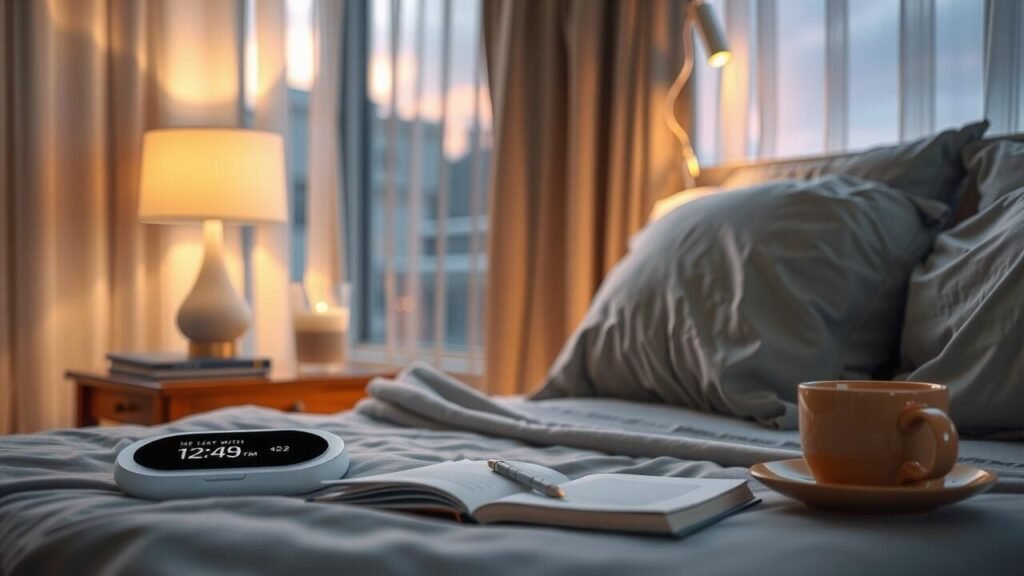
Noise machines have become increasingly popular tools for individuals with autism, providing a consistent auditory environment that can help reduce anxiety and sensory overload. These devices offer a variety of sound options, including white noise, pink noise, and nature sounds. Each sound type serves a different purpose, catering to the specific auditory preferences of the user. The ability to create a stable backdrop can help promote relaxation and focus, especially in environments that may be overwhelming.
Choosing the right noise machine can significantly impact its effectiveness. Users should consider factors such as sound quality, volume control, and variety of sounds available. A machine that allows for the customization of sound levels ensures that individuals can find a comfortable volume that suits their needs. Additionally, portability can be an important feature, allowing individuals to benefit from their preferred sound environment at home, school, or when traveling.
Features to Look for in a Noise Machine
When selecting a noise machine for individuals with autism, sound variety becomes an essential feature. Machines that offer multiple sound options, such as white noise, nature sounds, or ambient music, can cater to different preferences. Additionally, volume control is crucial. A machine that allows for gradual adjustments can help find the optimal sound level, ensuring comfort and minimizing overstimulation.
Another important aspect is the timer function. This feature enables users to choose a specific duration for the sound to play, promoting better sleep routines or focused work periods. Portability also merits consideration, especially for individuals who travel or move between environments frequently. A lightweight, compact design allows for easy transport, ensuring access to familiar sounds in various settings.
Personalized Soundscapes for Each Individual
Creating a personalized soundscape can significantly improve the sensory experiences of individuals on the autism spectrum. Each person’s response to sound varies greatly, influenced by their unique sensitivities, preferences, and sensory processing patterns. Tailoring a sound environment can help reduce anxiety or overstimulation while enhancing focus and relaxation. By incorporating the sounds that resonate most positively with the individual, it becomes possible to foster a sense of safety and comfort in their surroundings.
Technology and innovation play a crucial role in developing customized audio experiences. Noise machines and apps can help craft soundscapes that cater specifically to different needs. Features such as adjustable volume levels, varied sound options, and timers allow for a more controlled listening experience. Individuals can experiment with various ambient sounds, from nature sounds to white noise, determining what best suits their sensory profiles. This personalization ensures that each user can curate an auditory environment tailored to their requirements and preferences.
Customizing Noise Levels for Preferred Experiences
Finding the right noise level can greatly enhance comfort for individuals with autism. Sensitivity to sound varies widely among people on the spectrum, leading to differing preferences for background noise. Some may thrive in a more subdued environment, while others benefit from a richer auditory experience. This variability makes it crucial to tailor sound levels to individual needs, considering not just volume but also the type of sounds being played.
Using technology, individuals can experiment with noise levels to determine what feels most soothing. Many apps and devices allow for gradual adjustments, providing a chance to find that sweet spot. Custom soundscapes, curated based on personal taste, can also create a sense of control over the auditory environment. With thoughtful implementation, these personalized adjustments can lead to improved relaxation and focus.
FAQS
What types of ambient sounds are beneficial for individuals with autism?
Ambient sounds such as gentle rain, ocean waves, and soft instrumental music are often found to be calming and beneficial for individuals with autism, helping to reduce anxiety and create a soothing environment.
How do noise machines help people with autism?
Noise machines can create a consistent auditory environment that masks distracting background noises, helping individuals with autism focus better and feel more relaxed in various settings.
What features should I look for in a noise machine for autism?
When selecting a noise machine, consider features such as sound variety, volume control, timer settings, and portability. These options can enhance the user experience and ensure it meets individual needs.
Can soundscapes be personalized for individuals with autism?
Yes, soundscapes can be customized to suit individual preferences, allowing users to select specific sounds and adjust noise levels to create an environment that feels most comfortable and calming to them.
Is there a specific noise that is universally best for all individuals with autism?
No, there is no one-size-fits-all noise for individuals with autism. Sound preferences can vary significantly from person to person, so it’s important to explore different options and tailor the auditory environment to each individual’s needs.
Related Links
best white noise machine for sleep
Can a white noise machine help with tinnitus?
What type of white noise is best for sleeping?