Ideal Volume Levels for Sleeping
Sound volume plays a crucial role in ensuring effective white noise for sleep. The optimal level is typically around 50 to 65 decibels, which mimics the sounds of a quiet library or gentle rainfall. This range promotes relaxation while drowning out disruptive noises. Levels above 70 decibels can become disruptive, potentially leading to increased anxiety or difficulty falling asleep.
Personal preference in volume can vary significantly among individuals. Some may find slightly lower levels more soothing, while others prefer a more pronounced noise. It is important to test different settings to find the level that provides comfort without causing any disturbance or alertness in the middle of the night. Regular adjustments may be needed based on changes in surroundings or personal sensitivity to sound.
Finding the Perfect Sound Level
Finding the right volume for white noise can greatly enhance its effectiveness in promoting sleep. Most experts recommend keeping the sound at a gentle level, around 50 to 60 decibels, similar to the sound of a running refrigerator or a quiet office. This range is generally considered safe for prolonged exposure, minimizing the risk of hearing damage while still providing enough sound to mask disruptive noises.
Individual preferences may vary, so it is crucial to adjust the volume according to personal comfort. Some may find a slightly higher volume helpful in drowning out external disturbances, while others might prefer a softer sound to create a calmer atmosphere. Experimentation can help identify the optimal level, allowing for a more restful sleep experience.
Creating a Sleep-Friendly Environment
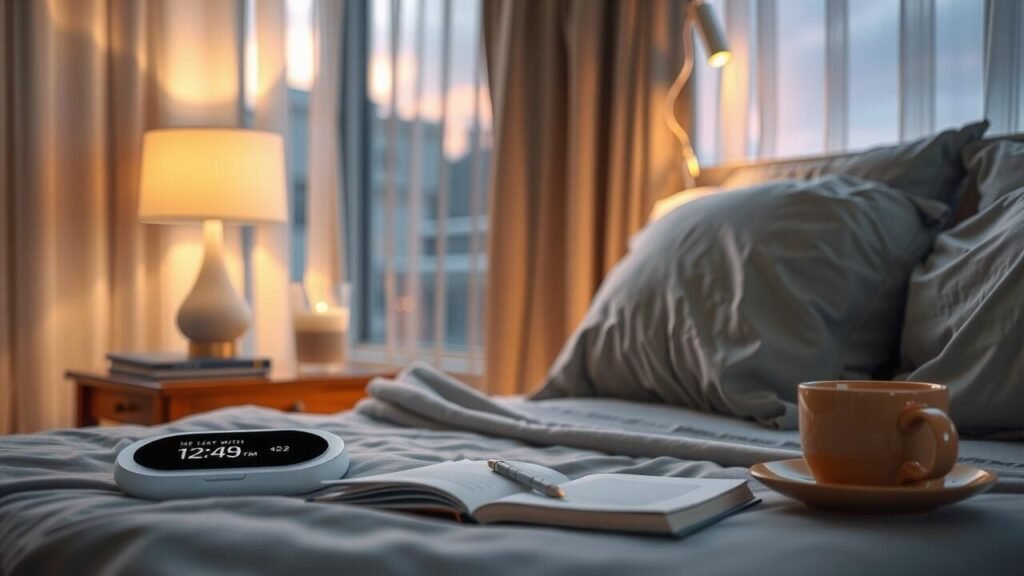
A sleep-friendly environment plays a crucial role in promoting restful sleep. Factors such as lighting, temperature, and sound can significantly impact one’s ability to drift off. Soft, dim lighting can signal the body that it is time to wind down. Maintaining a cool room temperature often enhances comfort, making it easier to fall asleep. In addition, minimizing disturbances from outside noises is essential for an uninterrupted night’s rest.
Adding elements like blackout curtains can help block external light sources while creating a cozy atmosphere. Aromatherapy with calming scents may contribute to relaxation. Incorporating soft bedding and pillows also fosters a comfortable sleeping space. Together, these components create an ideal setting that enhances the effectiveness of white noise as a sleep aid.
Combining White Noise with Other Sleep Aids
Integrating white noise with other sleep aids can enhance the overall quality of rest. For instance, many people find that using essential oils, such as lavender, alongside the soothing sounds of white noise creates a calming atmosphere. This combination targets sensory stimulation, fostering relaxation and signaling the body that it’s time for sleep. Weighted blankets may also work well in tandem, providing a sense of security and comfort while the white noise masks disruptive sounds.
Sleep masks can be effective when paired with white noise as well. Blocking out light helps to create a darker environment, which complements the calming effect of auditory masking. Similarly, practicing mindfulness or engaging in breathing exercises before sleep can deepen the relaxation that white noise supports. Each of these strategies contributes to a personalized sleep routine, potentially improving overall sleep quality.
Using White Noise for Sleep Disorders
White noise can serve as a helpful tool for those experiencing sleep disorders. Its consistent sound can mask disruptive noises, allowing the mind to settle into a more relaxed state. Many individuals suffering from insomnia find that having this background noise helps create a more conducive atmosphere for sleep. The auditory stimulus can also distract from racing thoughts that often accompany sleeplessness.
In cases of sleep disorders like sleep apnea or restless leg syndrome, white noise provides a comforting blanket of sound. This can be particularly beneficial during the initial stages of falling asleep when anxiety about sleep can intensify. Using white noise machines or apps can help establish a routine, signaling to the body that it’s time to rest. The soothing tone may facilitate deeper sleep cycles, promoting more restorative rest.
Effects on Insomnia and Other Issues
Research has shown that white noise can be beneficial for individuals struggling with insomnia. The consistent sound helps create a more stable auditory environment, which may mask disruptive noises that can interrupt sleep. Many people find that the predictable nature of white noise promotes relaxation, allowing them to fall asleep faster and stay asleep longer. As a result, incorporating white noise into a nightly routine can lead to improved overall sleep quality for those experiencing difficulties.
Additionally, white noise may assist people dealing with other sleep-related issues. Conditions such as sleep apnea can exacerbate sleep disturbances. Using white noise can help minimize the impact of interruptions, allowing for deeper and more restorative sleep cycles. For individuals who experience frequent awakenings due to environmental noises, white noise offers a simple and effective solution to foster a more peaceful sleeping environment. This can contribute to better emotional and physical well-being.
FAQS
What is white noise?
White noise is a consistent sound that covers a wide range of frequencies, creating a calming effect that can help mask other disruptive noises, making it easier to fall asleep.
Is there a specific volume level that is best for white noise while sleeping?
The ideal volume level for white noise is typically between 50 to 65 decibels, which is similar to the sound of a quiet conversation. It’s important to find a level that is comfortable and not too loud to avoid potential hearing damage.
Can I use white noise to help with sleep disorders?
Yes, white noise can be beneficial for individuals with sleep disorders such as insomnia. It helps create a consistent auditory environment, which can reduce distractions and promote relaxation.
Should I combine white noise with other sleep aids?
Combining white noise with other sleep aids, such as blackout curtains or relaxation techniques, can enhance your sleep environment and improve overall sleep quality.
Are there different types of white noise?
Yes, there are various types of white noise including steady noise machines, nature sounds, and fan sounds. Each type may have different effects depending on personal preference, so it’s worth experimenting to find which works best for you.
Related Links
best white noise machine for sleep
Can a white noise machine help with tinnitus?
Which noise is best for autism?