Key Takeaways
- Comprehending Fermented Cabbage and Its Wellness Advantages
- Recognizing the Top Fermented Cabbage with Beneficial Bacteria
- Crafting Your Own Beneficial Bacteria Fermented Cabbage
- The Nutritional Composition of Beneficial Bacteria Fermented Cabbage
- Adding Fermented Cabbage to Your Meal Plan
- Widespread Myths Surrounding Fermented Cabbage
Understanding Sauerkraut and Its Health Benefits
Sauerkraut, a fermented food made from finely shredded cabbage, is renowned for its health benefits, particularly due to its rich content of probiotics. The best sauerkraut with probiotics contains live cultures like lactobacillus brevis, which contribute to digestive health by promoting good bacteria in the gut. This can be especially beneficial for individuals affected by the overuse of antibiotics, which can disrupt the delicate balance of gut flora. Beyond probiotics, sauerkraut also provides prebiotics, which serve as nourishment for these beneficial microorganisms. When integrated into a balanced diet, sauerkraut can aid in enhancing gut health while supporting the body’s natural defenses.
What is Sauerkraut?
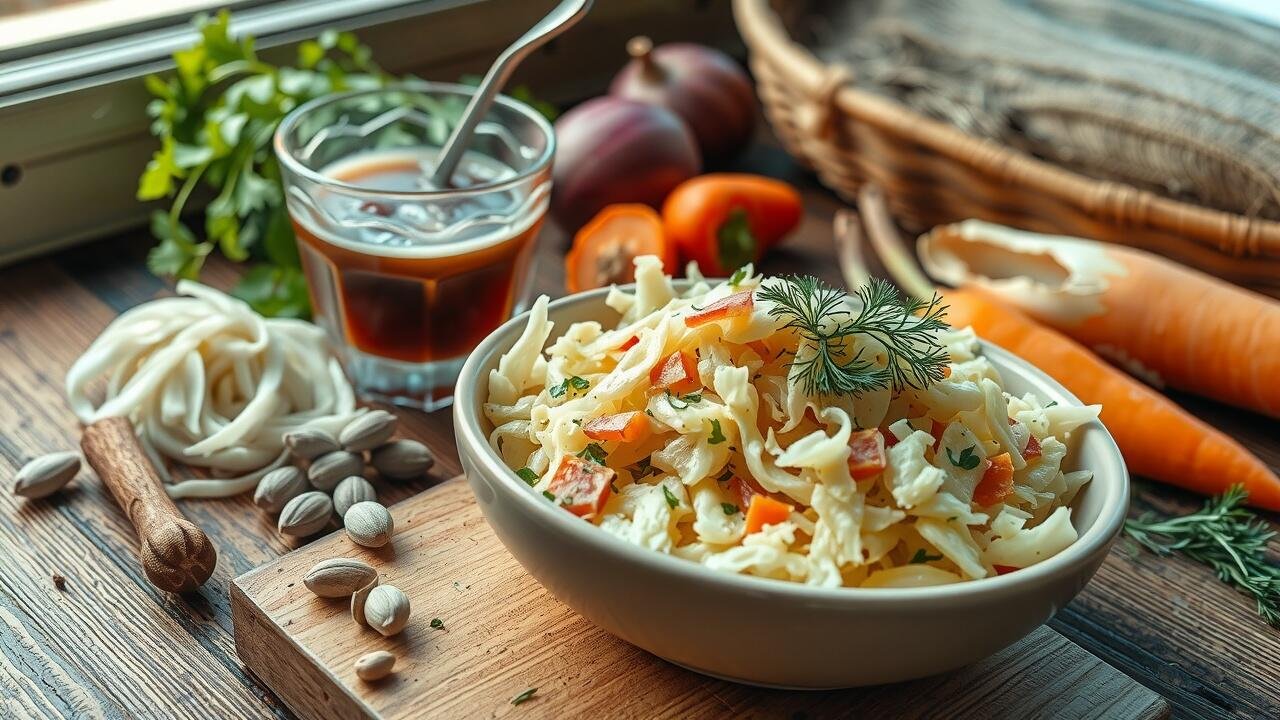
Sauerkraut is a fermented cabbage dish that has been enjoyed for centuries. It is created through the process of lacto-fermentation, where natural sugars in the cabbage are converted into lactic acid by lactic acid bacteria. This fermentation not only preserves the cabbage but also enhances its nutritional value, making it a rich source of micronutrients. The best sauerkraut with probiotics is often packed with beneficial microorganisms, particularly strains like Lactobacillus plantarum, which play a vital role in supporting gut health.
The fermentation process introduces a variety of bacteria that contribute to a diverse gut microbiome. These microorganisms can positively influence gut health by improving the balance of gut microbiota. Consuming sauerkraut regularly can aid digestion and promote overall well-being. As a live food, sauerkraut provides a source of active lactobacillus, which helps maintain a healthy balance of bacteria in the gut. The presence of lactic acid also contributes to its distinct tangy flavor while serving as a natural preservative.
How Sauerkraut Contains Probiotics
Sauerkraut is a type of fermented cabbage that undergoes a process known as lacto-fermentation. This technique involves beneficial bacteria and yeast that transform the cabbage sugars into acids, enhancing both flavor and nutritional value. The result is a tangy kraut packed with live microbes that promote digestive health. The best sauerkraut with probiotics contributes to a balanced microbiome, which is essential for optimal gut function. This infusion of probiotics aids in digesting foods, making it a great addition to dishes like reuben sandwiches or as a topping for spicy jalapeno dishes.
The fermentation process creates an environment rich in beneficial microbes that flourish in the gut. These probiotics work synergistically with the body, breaking down food and helping the absorption of nutrients. Sauerkraut also contains vitamins and acids that serve as natural supplements for digestive health. Its unique combination of flavors and health benefits makes it one of the best sauerkraut with probiotics available, allowing individuals to enjoy its delicious taste while boosting their wellness.
Identifying the Best Sauerkraut with Probiotics
Finding the best sauerkraut with probiotics involves understanding its key characteristics and health benefits. Look for krauts made through lacto-fermentation, as this method enhances probiotic content and retains essential nutrients. The ideal product should contain active enzymes and healthy fatty acids, which support digestion and overall gut health. Combining ingredients like turmeric and jalapenos not only boosts flavor but also adds additional health benefits, such as increased glucosinolates. A quality product stands out by showcasing its nutritional profile, ensuring it delivers the maximum health food benefits while promoting effective digesting and absorption of nutrients.
Key Characteristics of Probiotic Sauerkraut
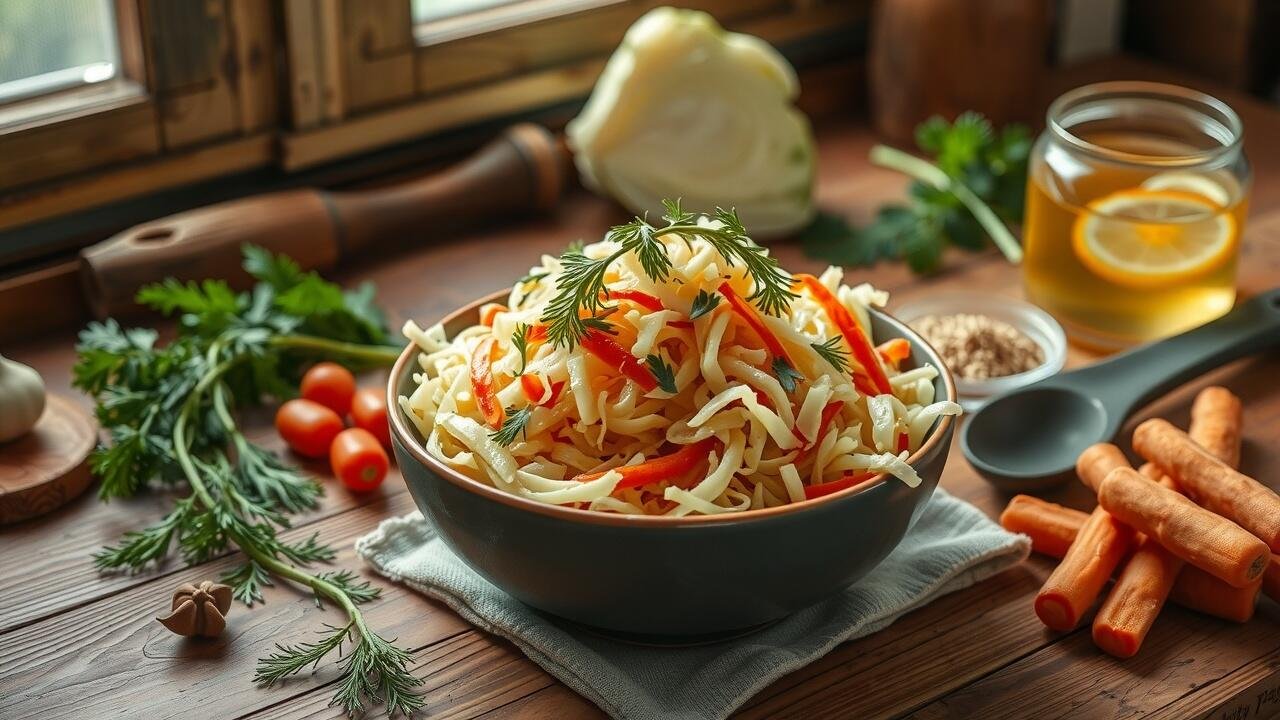
Probiotic sauerkraut stands out due to its rich content of live beneficial bacteria, making it a top choice among healthy foods. The best sauerkraut with probiotics is typically unpasteurized, ensuring that the natural fermentation process is preserved. Look for store-bought probiotic-containing sauerkraut or raw probiotic sauerkraut, as these options maintain the integrity of the probiotics. Labels highlighting “probiotic-rich sauerkraut” or “probiotic fermented sauerkraut pack” can guide you in selecting varieties that effectively support gut health.
Another essential characteristic is the presence of minimal additives and preservatives. Quality probiotic sauerkraut products will prioritize simple ingredients, usually just cabbage and salt, allowing beneficial bacteria to flourish. The best sauerkraut with probiotics often provides a tangy flavor that enhances various dishes. Exploring probiotic sauerkraut recipes can inspire creative uses in meals, allowing for both flavor and nutrition while promoting digestive wellness.
Top Brands for Probiotic Sauerkraut
Choosing the best sauerkraut with probiotics can significantly enhance your gut health. Many consumers seek raw sauerkraut, also known as probiotic kraut, for its live cultures and beneficial enzymes. Various raw sauerkraut brands prioritize organic ingredients, ensuring their products support overall well-being. Popular sauerkraut products often feature local vegetables, enhancing the flavor and nutritional profile. Opting for vegetable sauerkraut allows you to enjoy a diverse range of textures and tastes while reaping the raw sauerkraut health benefits.
Examining popular brands can help you identify which organic sauerkraut best fits your dietary needs. Many of the top raw sauerkraut options boast high probiotic content, making them excellent choices for those seeking healthy probiotics. Consider brands that emphasize fermentation processes, which can maximize the health benefits of their sauerkraut product. Engaging with raw sauerkraut brands known for transparency and quality will help you enjoy the full range of flavors and nutrients that raw sauerkraut offers.
Making Your Own Probiotic Sauerkraut
Creating your own sauerkraut offers a delightful way to enjoy the best sauerkraut with probiotics while ensuring quality and flavor. Organic sauerkraut refers to varieties made from fresh, natural ingredients, allowing you to control the fermentation process. By using the right specific sauerkraut brands as a reference, you can craft homemade sauerkraut that is both tasty and nutritious. Lacto-fermented sauerkraut not only enhances the flavor but also boosts the probiotic content, making it a potent probiotic food. Experimenting with different sauerkraut options and flavors can lead to unique creations that provide a variety of sauerkraut juices rich in nutrients. Always check the sauerkraut nutrition label to understand the benefits of your fermented delicacy, especially when comparing it to store-bought sauerkraut pack options. Embracing the art of making your own sauerkraut invites creativity and health into your kitchen.
Essential Ingredients for Organic Sauerkraut
Creating traditional sauerkraut organic begins with high-quality ingredients. The primary component is cabbage, which serves as the foundation for this fermented delight. Opting for organic cabbage ensures that you are avoiding chemicals often found in non-organic sauerkraut options. Incorporating sauerkraut into your diet is best done using fresh, crisp cabbage, as it retains the necessary nutrients and maximizes probiotic content. The best sauerkraut with probiotics will not only have a rich flavor but will also boast beneficial probiotics that support gut health.
Salt plays a critical role in the fermentation process of classic sauerkraut. It helps draw out moisture from the cabbage, creating an environment conducive for the beneficial microbes to thrive. Looking at sauerkraut nutrition labels can help you select varieties that contain probiotics. Some commercial brands might contain preservatives, making them some of the unhealthiest sauerkrauts available. Emphasizing organic ingredients ensures a purer product, enhancing the overall understanding of sauerkraut and its health benefits.
- Choose organic cabbage for the best quality and taste.
- Use non-iodized salt to promote healthy fermentation.
- Consider adding spices like caraway seeds for extra flavor.
- Incorporate additional vegetables, such as carrots or garlic, for variety.
- Monitor fermentation time to achieve desired flavor and tanginess.
- Store sauerkraut in airtight containers to preserve its freshness.
- Enjoy as a topping or side dish to enhance meals with probiotics.
Probiotic Sauerkraut Recipes to Try
Exploring tasty recipes featuring the best sauerkraut with probiotics opens a world of flavor and health benefits. For a quick and easy option, try mixing unpasteurized sauerkraut products with your favorite prebiotic food like garlic or onions. This enhances both the taste and the probiotic goodness of the dish. You can even elevate grocery store sauerkraut by adding herbs or spices to create unique flavors. For those who enjoy a spicy kick, incorporating wildbrine sauerkrauts can amplify the probiotic production while tantalizing your taste buds.
Another delightful recipe involves using lacto-fermented sauerkrauts as a topping for tacos or nachos. Simply dollop the best sauerkraut with probiotics over your dish before serving. The combination of flavors not only provides a delicious bite but also maximizes the benefits of probiotics. Try pairing store-bought sauerkraut products with roasted vegetables or in grain bowls for a nutritious punch. These creative uses of sauerkraut causes your meals to be both enjoyable and healthful, ensuring you receive the advantages of probiotic foods in every bite.
The Nutritional Profile of Probiotic Sauerkraut
Probiotic-rich sauerkraut, often referred to by the German word “sauerkraut,” offers a wealth of nutritional benefits. The best sauerkraut with probiotics typically features ingredients like white cabbage sauerkraut or red cabbage sauerkraut, which are fermented to create live probiotics essential for gut health. A quick glance at the sauerkraut label can reveal whether it is unpasteurized, an important characteristic for preserving those beneficial bacteria. Many consumers opt for brands such as Eden Foods sauerkraut, known for their high-quality, jarred sauerkraut. These probiotic pickles are considered ultimate prebiotics foods, enhancing the digestive process. When choosing store-bought sauerkraut, look for products highlighting their probiotic benefits for the most healthful option.
Probiotics and Their Impact on Gut Health
Probiotic bacteria play a crucial role in maintaining gut health, which is why many health enthusiasts seek the best sauerkraut with probiotics. These beneficial microbes are known to improve digestion and enhance the immune system. A reasonable quality sauerkraut, including options like garlic sauerkraut or those made by brands like Sauerkraut Bubbies, can provide a significant probiotic boost. Consumers often turn to any type of raw (unpasteurized) sauerkraut, as pasteurization can destroy these important bacterial cultures. For those who appreciate the nuances of fermented foods, being a sauerkraut connoisseur means recognizing the importance of probiotic count in supporting overall wellness.
Store-bought sauerkrauts can vary in probiotic content, making it essential to select carefully. The gut health benefits of consuming probiotic-rich foods, including properly fermented sauerkraut, are well-documented. Incorporating these foods into your diet can lead to improved digestion and enhanced nutrient absorption. Whether you’re enjoying the tangy flavor of the best sauerkraut with probiotics or experimenting with homemade batches, the impact of these probiotic microbes on gut health is undeniable.
Additional Nutrients Found in Sauerkraut
Sauerkraut is not only a source of beneficial probiotics but also packs a variety of essential nutrients. Among these, vitamin C stands out, helping support the immune system and aid in collagen production. Iron, magnesium, and potassium are present as well, contributing to overall health. For those seeking the best sauerkraut with probiotics, options like Claussen sauerkraut and Green Garden sauerkraut offer robust flavors while maintaining nutritional integrity. For an extra boost, classic caraway sauerkraut adds aromatic spices that enhance both taste and health benefits.
The presence of antioxidants and dietary fiber further enriches the nutritional profile of sauerkraut. These fiber-rich ingredients can act as prebiotic foods, fostering a healthy gut microbiome by supporting the growth of beneficial gut bacteria. Avid sauerkraut consumers often explore diverse options, including raw kraut products, herbal kraut, and organic beet kraut. Experimenting with variations such as kraut-n-kale sauerkraut and raw curtido kraut can provide unique flavors while maximizing health benefits.
| Nutrient | Function | Amount per 100g |
|---|---|---|
| Vitamin C | Supports immune function and collagen production | 14 mg |
| Iron | Essential for oxygen transport in the blood | 0.8 mg |
| Magnesium | Important for muscle function and energy production | 12 mg |
| Potassium | Regulates fluid balance and supports heart health | 278 mg |
| Dietary Fiber | Aids digestion and promotes gut health | 2.9 g |
Incorporating Sauerkraut into Your Diet
Sauerkraut serves as a versatile ingredient that can enhance your meals while supporting gut health. Opting for the best sauerkraut with probiotics ensures that you are incorporating beneficial bacteria like lactobacillus into your diet, which is essential for maintaining a balanced gut microbiome. Raw kraut, especially organic varieties, preserves more of these probiotics, contributing to healthy digestion. Cumin kraut adds a unique flavor profile and pairs wonderfully with various dishes, encouraging creative culinary experimentation. Regularly including sauerkraut in your diet can promote microbiome health while offering an array of nutrients that support your overall well-being. Enjoying this fermented food provides a delicious way to strive for a healthy gut.
Creative Ways to Enjoy Probiotic Sauerkraut
Probiotic sauerkraut can be enjoyed in various delicious ways that enhance its health benefits. Adding the best sauerkraut with probiotics, such as Organic Veda Kraut or Wildbrine Sauerkraut, to salads can create a tangy contrast while providing a gut health boost. These flavored krauts are packed with friendly bacteria, including lactobacillus species, which support a balanced microbiome. Enhancing meals with this natural bacteria not only promotes optimal gut health but also helps combat bad bacteria, making it a nutritious addition to any dish.
Incorporating probiotic sauerkraut into meals can also be as simple as topping your favorite sandwiches or wraps. The crunch and zesty flavor of sauerkraut can elevate your culinary creations while supplying essential nutrients. Experimenting with different brands and flavors adds variety to your diet, ensuring you enjoy the best sauerkraut with probiotics consistently. A spoonful of this fermented delight can transform your breakfast bowl or roasted vegetables, making it an easy way to cultivate a healthy gut and maintain your wellness journey.
| Dish Type | Serving Suggestion | Benefits |
|---|---|---|
| Salads | Top your salad with a scoop of sauerkraut for added crunch. | Enhances flavor and boosts gut health with probiotics. |
| Sandwiches & Wraps | Add sauerkraut as a topping for a zesty kick. | Adds essential nutrients and a unique taste. |
| Breakfast Bowls | Mix sauerkraut into your morning bowl of oats or yogurt. | Increases probiotic intake, which is great for digestion. |
| Roasted Vegetables | Serve sauerkraut as a side with your roasted veggie platter. | Balances flavors and supports gut health with every bite. |
Pairing Sauerkraut with Other Foods
Sauerkraut can be a delightful addition to various dishes, enhancing not only flavor but also providing a significant nutritional boost. The best sauerkraut with probiotics offers a source of lactic acid, which aids in digestion while promoting a healthy gut flora. Varieties like garlic kraut and ginger kraut infuse unique flavors into meals and deliver beneficial natural enzymes. These flavors, combined with the enhanced digestibility of fermented foods, make sauerkraut a versatile ingredient that pairs well with meats, salads, and even sandwiches.
Incorporating sauerkraut into different recipes can elevate digestive health and support proper digestion. The fermentation process, known as lacto-fermentation, encourages the growth of certain bacteria that are beneficial for the microbiota. Pairing sauerkraut with foods rich in fiber, like legumes and whole grains, can create a synergistic effect, optimizing nutrient absorption. This delightful condiment, especially the best sauerkraut with probiotics, not only enhances meals but also contributes to maintaining a healthy balance of gut bacteria.
Common Misconceptions About Sauerkraut
Many people hold misconceptions about sauerkraut, particularly regarding its health benefits and preparation methods. The best sauerkraut with probiotics is not just a fermented food; it’s packed with live bacteria that support gut health. Some may believe that all sauerkraut is created equal, but products like Cleveland Kraut and its varieties, such as Cleveland Kraut Gnar and Cleveland Kraut Whiskey, showcase the diverse flavors and health advantages that can be achieved. The natural lacto-fermentation process used to create these products maximizes the presence of live microorganisms, which contribute to their nutritional benefits. Creating your own kraut with simple ingredients like cabbage juice allows you to harness these same health benefits, making it a rewarding addition to any meal. Understanding these aspects helps clarify the role of this German staple food in modern diets, differentiating between science-backed supplements and natural foods like sauerkraut.
- Sauerkraut is an excellent source of vitamins C and K.
- The fermentation process enhances the digestibility of cabbage.
- Store-bought sauerkraut often contains preservatives, losing some health benefits compared to homemade varieties.
- Not all sauces or seasonings used with sauerkraut are healthy; check labels for added sugars and sodium.
- Sauerkraut can be enjoyed raw for maximum probiotic benefits, but cooking it is also a nutritious option.
- Pairing sauerkraut with high-protein foods can create a balanced meal.
- Regular consumption of sauerkraut may improve gut microbiome diversity.
Conclusion
Understanding the best sauerkraut with probiotics is essential for anyone looking to enhance their gut health. This fermented cabbage is more than just a tangy pickle; it serves as a powerhouse of functional nutrition, boasting a rich nutritional profile that includes live probiotics beneficial for digestive health. Incorporating ingredients like turmeric ginger or pickle turmeric can amplify the health benefits and flavor of your homemade versions. Choosing sauerkraut with only the best ingredients ensures you receive maximum probiotics that can aid in treating digestive discomfort and promoting overall wellness. Embracing sauerkraut in your diet opens up numerous possibilities for vibrant meals while supporting your gut health.
FAQS
What is sauerkraut and how is it made?
Sauerkraut is fermented cabbage that has been finely shredded and salted. The fermentation process involves beneficial bacteria that convert sugars in the cabbage into lactic acid, giving sauerkraut its distinct tangy flavor.
Why should I include probiotic sauerkraut in my diet?
Probiotic sauerkraut is rich in beneficial bacteria that can support gut health, improve digestion, boost the immune system, and even enhance nutrient absorption in the body.
How can I identify the best sauerkraut with probiotics?
Look for sauerkraut that is labeled as “raw” and “unpasteurized,” as pasteurization kills the beneficial probiotics. Also, check the ingredient list for minimal additives and a short shelf life, which indicates that it’s a fresh product.
Are there specific brands known for high-quality probiotic sauerkraut?
Yes, some popular brands that are known for their quality probiotic sauerkraut include Bubbies, Wildbrine, and Farmhouse Culture. It’s always a good idea to read reviews and check for third-party testing.
Can I make my own probiotic sauerkraut at home?
Absolutely! Making your own probiotic sauerkraut is a simple process that requires just a few ingredients, primarily cabbage and salt. There are many recipes available that guide you through the fermentation process.
What are the benefits of choosing organic sauerkraut that contains probiotics for gut health?
Choosing organic sauerkraut that contains probiotics can greatly support gut health. This is because sauerkraut, which is the German word for “sour cabbage,” undergoes lacto-fermentation process, allowing natural bacteria present, such as lactobacillus bacteria, to thrive. These probiotics help in improving balanced gut microbiota, aiding in the digestion of food. Moreover, understanding sauerkraut and its benefits, such as the gut health benefits of probiotics, is important for making informed dietary choices. Various probiotic sauerkraut options like organic beet kraut and Wildbrine sauerkraut can be excellent additions to your prebiotic foods list, enhancing overall gut health thanks to the microbes in the gut.
How does the process of lacto-fermentation enhance the gut health benefits of sauerkraut that contains probiotics?
Lacto-fermentation is the process through which raw sauerkraut is created, and it plays a significant role in enhancing gut health. When sauerkraut contains probiotics, it becomes a rich source of beneficial bacteria. These probiotics improve the digestibility of the sauerkraut and promote a healthy gut. From a gut health standpoint, the consumption of organic sauerkraut supports the diversity of gut flora. High-quality sauerkraut, such as wildbrine sauerkraut or organic kraut, ensures the only ingredients are those that promote gut health benefits associated with probiotics.
What should I look for in raw sauerkraut to ensure it has the best gut health benefits and probiotics?
When choosing raw sauerkraut for optimal gut health benefits and probiotics, it’s important to select organic varieties that prioritize quality, like wildbrine sauerkraut or organic beet kraut. Make sure it is unpasteurized, as pasteurization kills beneficial bacteria. The lactic acid acts during the lacto-fermentation process, enhancing its probiotic content. Additionally, check for the German word sauerkraut on the label to confirm authenticity and high-quality ingredients to reap the full benefits of probiotics.
How can I make sure that the sauerkraut I choose has the best gut health benefits and probiotics?
To ensure that the sauerkraut you consume is beneficial for gut health, look for raw sauerkraut, aka fermented cabbage, which preserves the probiotics. Check for organic brands like Wildbrine sauerkraut, as these often have higher quality and better gut health benefits/probiotics. Additionally, note that the process of lacto-fermentation includes valuable bacteria that can aid in digestion.
What types of sauerkraut should I look for to ensure optimal gut health benefits when it comes to digestion?
When choosing sauerkraut for gut health, it’s important to select raw sauerkraut, aka organic beet kraut, as it retains beneficial probiotics. Look for high-quality options like Wildbrine sauerkraut that maintain their probiotic profile, which aids in digestion and enhances overall gut health.
What types of sauerkraut should I select for the best gut health and digestion benefits when choosing raw sauerkraut?
When selecting raw sauerkraut for optimal gut health and digestion benefits, look for options like organic beet kraut or quality brands such as Wildbrine sauerkraut. These varieties, especially when fermented properly, offer the best probiotics that can enhance your gut health.
What are some differences between sourkraut that promotes gut health and those that are less beneficial when digested?
When selecting sauerkraut, it’s essential to consider the quality of the product. Organic beet kraut can be a good option as it often boasts higher nutrient content. In contrast, raw sauerkraut aka wildbrine sauerkraut preserves the natural probiotics that are crucial for maintaining gut health. The seeming quality sauerkraut is typically determined by its fermentation process, which greatly impacts its health benefits.
What can I learn about the differences in gut health benefits between various types of sauerkraut, including organic beet kraut and Wildbrine sauerkraut?
Different types of sauerkraut, such as organic beet kraut and Wildbrine sauerkraut, may offer varying gut health benefits when digested. It’s important to choose sauerkraut that is fresh, raw, and rich in probiotics to maximize its effectiveness for gut health.
What are some unique benefits of consuming different varieties of sauerkraut, such as organic beet kraut and Wildbrine sauerkraut, for gut health?
Consuming different varieties of sauerkraut, including organic beet kraut and Wildbrine sauerkraut, can provide various gut health benefits. Each type of sauerkraut may contain a unique mix of probiotics and nutrients that support digestion, thereby enhancing overall gut health. For example, organic beet kraut is rich in antioxidants and can promote healthy digestion, while Wildbrine sauerkraut offers a distinct tangy flavor profile along with its probiotic content, contributing to a healthy gut microbiome.
What varieties of sauerkraut contribute to gut health, including organic beet kraut and Wildbrine sauerkraut?
When considering varieties of sauerkraut that promote gut health, it’s important to look at options like organic beet kraut and Wildbrine sauerkraut. These types of sauerkraut are known for their beneficial properties that aid digestion and overall gut health. Choosing sourkraut that is rich in probiotics can lead to improved digestive health and a better balance of gut flora.

