Key Takeaways
- Summary of Inulin as a Dietary Fiber Addition
- Top Inulin Prebiotic Products Available Today
- Substitutes for Inulin in Prebiotic Supplements
- Guidelines for Selecting the Appropriate Dietary Fiber Product
- Methods for Adding Inulin to Your Everyday Schedule
- Possible Adverse Reactions and Important Notes
Overview of Inulin as a Prebiotic Supplement
Inulin is a type of soluble fiber classified as a prebiotic, renowned for its ability to support gut health by fostering the growth of beneficial bacteria. As one of the most studied inulin-type fructans, it not only enhances digestive function but also plays a role in increasing the efficacy of probiotics. The best inulin prebiotic supplements harness these prebiotic compounds to promote a balanced gut microbiome, while also potentially boosting the effects of postbiotics. Found naturally in a variety of dietary sources, inulin serves as a valuable prebiotic fiber, making it a popular choice among health enthusiasts. Combining inulin with other dietary supplements, like spirulina, can further enhance its health benefits, making it a versatile addition to any wellness routine.
What is Inulin?
Inulin is a type of soluble fiber classified as a prebiotic, playing a crucial role in promoting gut health. This prebiotic fibers acts as a food source for beneficial bacterial strains, such as lactobacillus and bifidobacteria, fostering a healthy microbiome. The best inulin prebiotic supplement can enhance digestive health and bolster immunity while supporting the body’s natural balance. Many health supplements feature inulin for its ability to help prevent antibiotic-associated diarrhea and improve overall gut function.
This naturally occurring carbohydrate is found in various plants and can be easily integrated into daily dietary guidelines. Many individuals opt for supplementation as a convenient way to incorporate inulin into their routine. Synbiotics, which combine prebiotics and probiotics, can maximize the benefits of inulin while ensuring the effectiveness of bacterial supplements. Choosing the right product from a reputable brand can lead to optimal health benefits and well-being.
Health Benefits of Inulin
Inulin is a type of dietary fiber that serves as a prebiotic, promoting the growth of beneficial intestinal microbiota. Its incorporation into a low protein diet can enhance overall gut health by supporting digestion and nutrient absorption. Many health enthusiasts seek the best inulin prebiotic supplement to complement their existing multivitamins, ensuring they receive adequate dietary fiber and essential nutrients. Some formulations also include additional ingredients like vitamin C, which can provide anti-inflammatory benefits.
The health benefits of inulin extend beyond just gut support. Regular consumption can aid in maintaining a healthy weight due to its satiating properties, making it a favorable choice for those looking to manage their appetite. Opting for a reputable fiber supplement ensures minimal contaminants and high-quality ingredients. By integrating inulin into their daily routine, individuals can experience improved digestive function and overall well-being.
| Health Benefit | Description | Additional Nutrient |
|---|---|---|
| Gut Health | Promotes the growth of beneficial bacteria in the gut. | Vitamin C |
| Weight Management | Helps to manage appetite through its satiating effects. | N/A |
| Digestive Function | Enhances overall digestion and nutrient absorption. | Magnesium |
| Anti-Inflammatory | May reduce inflammation in the body. | Vitamin C |
| Cardiovascular Health | May support heart health by improving cholesterol levels. | Omega-3 Fatty Acids |
Best Inulin Prebiotic Supplements on the Market
Choosing the best inulin prebiotic supplement involves evaluating various brands that prioritize quality ingredients. Many effective options exist that cater to different dietary needs, including those who are lactose-intolerant. These supplements often contain essential vitamins and are enriched with proteins, enhancing their nutritional profile. The ability of inulin to foster healthy gut bacteria makes it a valuable ally in promoting a balanced gut microbiome. Importantly, selecting a product that withstands stomach acid is crucial to ensure the effective delivery of inulin to support gut microbiota. Consumers should be mindful of the potential impact on insulin resistance as well, making informed choices about the best inulin prebiotic supplement for their health needs.
Top Brands Reviewed
Several brands offer high-quality inulin supplements designed to support gastrointestinal health and enhance the microbiome. Many of these products are praised for their ability to improve insulin sensitivity and promote a balanced diet. The best inulin prebiotic supplement often includes a blend of vitamins and minerals that work synergistically with prebiotic inulin, maximizing its benefits for intestinal health. Careful selection of inulin supplements can lead to better overall well-being.
Certain brands stand out due to their commitment to using natural sources of prebiotic inulin. These products not only support digestive health but also contribute to a well-rounded approach to nutrition. The best inulin prebiotic supplement is typically free from artificial additives and fillers, which enhances its efficacy. Consumers should consider the source and formulation of inulin supplementation they choose to ensure they are receiving quality prebiotic inulin that meets their health needs.
Key Ingredients to Look For
Selecting the best inulin prebiotic supplement involves looking for quality inulin derived from reliable sources. A high-quality product should contain enriched inulin, providing a concentrated dose of dietary inulin that supports gut health. The effectiveness of inulin supplementation reduces when it contains fillers or artificial ingredients. Consumers should focus on supplements that emphasize dietary inulin intake and offer transparency regarding sourcing and processing methods.
Potential users should also consider promising inulin alternatives that may complement or enhance inulin consumption. These alternatives can provide additional prebiotic benefits and vary in their fiber composition. It’s important to evaluate the overall formulation of any prebiotic supplement, ensuring it aligns with one’s health goals, including maintaining a healthy gut microbiome through consistent dietary inulin supplementation.
- Look for inulin sourced from chicory root or another high-quality source.
- Choose products that are labeled as “enriched inulin” for a concentrated dosage.
- Avoid supplements with unnecessary fillers or artificial additives.
- Research brands that provide transparency about their sourcing and processing.
- Consider inulin alternatives such as FOS (fructooligosaccharides) or resistant starch.
- Evaluate the overall formulation to ensure it meets your specific health goals.
- Read customer reviews and testimonials to gauge product effectiveness.
Inulin Alternatives
Exploring options beyond inulin highlights various prebiotic supplements that can meet dietary needs. While inulin refers to a type of soluble fiber that significantly impacts gut health, other prebiotic fibers also play valuable roles. For those seeking alternatives, selecting organic inulin or including inulin-rich vegetables in meals can help meet daily inulin requirements. Prebiotic supplementation offers diverse choices, but it is essential to consider their inulin concentration and overall benefits. Understanding how inulin induces beneficial gut bacteria can lead to informed decisions regarding the best inulin prebiotic supplement or its alternatives, ensuring adequate daily inulin content while optimizing digestive health.
- Psyllium husk as a soluble fiber alternative
- Oligofructose, a related fiber source
- Acacia fiber for its gentle effect on the digestive system
- Resistant starch found in cooked and cooled potatoes
- Chicory root extract as a natural source of prebiotics
- Barley and oats for their high fiber content
- Garlic and onions, which contain natural prebiotic properties
Other Types of Prebiotic Fibers
There are various prebiotic options available that offer similar benefits to inulin. One popular alternative is fructooligosaccharides (FOS), which support gut health and are found in foods like bananas and onions. These prebiotic supplements work by promoting the growth of beneficial bacteria, leading to improved digestion and overall gut health. Another notable prebiotic ingredient is inulin derived from agave, which shares many of the same benefits as traditional inulin fibre. Consumers seeking the best inulin prebiotic supplement can explore these alternatives to find options suitable for their dietary preferences.
Other prebiotic fibers include resistant starch and galactooligosaccharides (GOS). Resistant starch can be found in foods like green bananas and legumes, effectively feeding good bacteria in the gut. Galactooligosaccharides, sourced from dairy products and some legumes, also promote beneficial bacteria growth, enhancing prebiotic benefits. It is essential to consider potential inulin side effects when choosing a prebiotic therapy, as some individuals may experience discomfort. By exploring various prebiotic options, individuals can tailor their dietary approach to optimize gut health while reaping the prebiotic overall benefits.
Pros and Cons of Inulin Alternatives
Incorporating inulin alternatives can provide diverse prebiotic support. Many prebiotic types, such as chicory root extract and resistant starch, can deliver beneficial effects similar to those of inulin. These alternatives may also enhance probiotic effects when combined with a probiotic combo or consumed alongside probiotic food. Some individuals prefer these options for their unique prebiotic components and the potential to diversify gut microbiota, which can enhance overall digestive health and immune function.
On the other hand, synthetic prebiotics may lack the natural benefits found in whole food sources. While some people may experience a prebiotic effect from these alternatives, others might not achieve the same level of prebiotic intake as with the best inulin prebiotic supplement. Additionally, certain inulin alternatives can cause gastrointestinal discomfort in sensitive individuals, particularly if taken in excess. It is essential to evaluate personal tolerance and nutritional needs when considering these options for effective prebiotic support.
How to Choose the Right Prebiotic Supplement
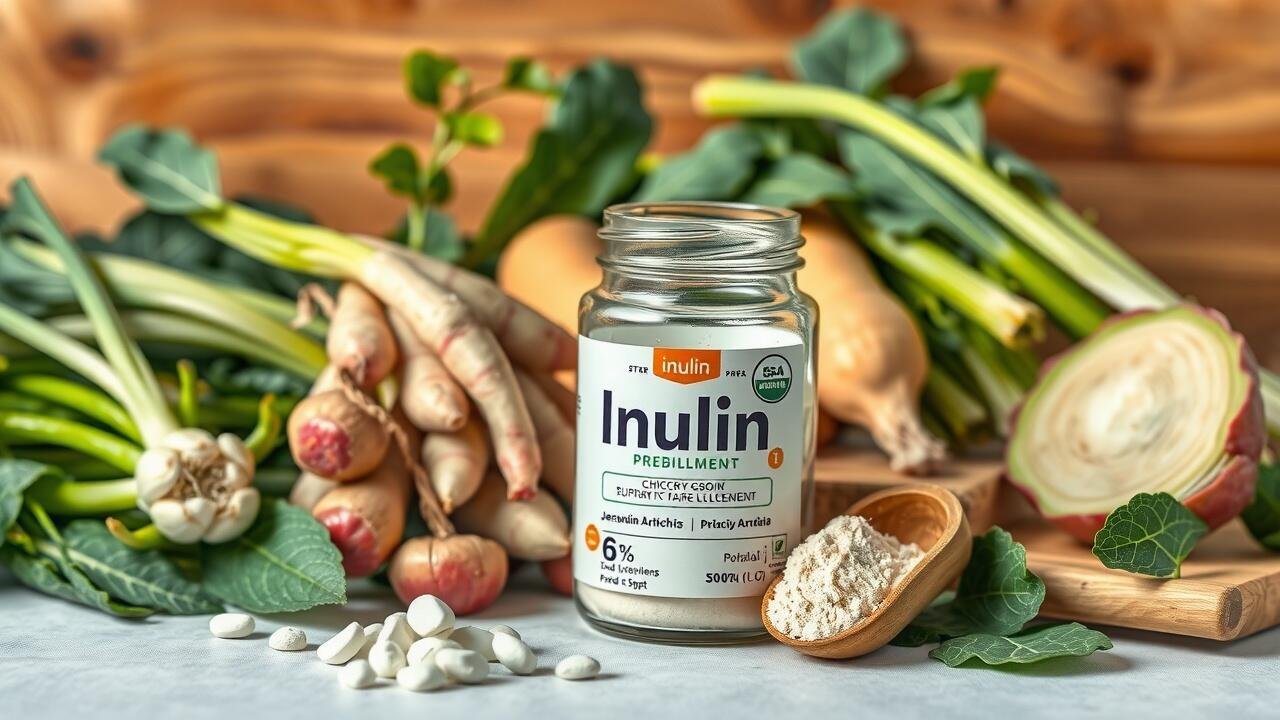
Choosing the right prebiotic supplement involves evaluating various factors to ensure optimal health benefits. The best inulin prebiotic supplement often features chicory inulin or oligofructose-enriched inulin, both known for their efficacy in promoting gut health. A well-rounded product may include inulin-type carbohydrates, providing prebiotic works that support a diverse array of probiotic strains. Look for options that combine fn-type chicory inulin with other natural prebiotics or even prebiotic blends for enhanced efficacy. Synbiotic combos can offer added probiotic support, ensuring that your supplement not only provides prebiotic-type support but also maximizes the benefits of the probiotics within.
Evaluating Quality and Purity
Quality and purity are critical factors in selecting the best inulin prebiotic supplement. Look for products that provide a clear sourcing of inulin-type fructan, as this indicates a focus on natural ingredients. High-quality prebiotic powders should contain minimal fillers and additives. Brands that combine inulin with a well-researched probiotic blend typically enhance prebiotic digestion, leading to improved gut health. Always check for certifications that ensure the product’s purity and efficacy.
Testing for quality control is essential for any prebiotic product. The best inulin prebiotic supplements often include a variety of prebiotic-rich foods, such as prebiotic-rich yogurt or fiber from fruits and vegetables. This prebiotic synergy can enhance the effects of upgraded probiotics. To maximize benefits, consider those products that also list postbiotics, which are beneficial byproducts of probiotic fermentation, as these can further support a healthy microbiome.
Dosage Recommendations
Finding the right dosage for the best inulin prebiotic supplement can significantly enhance gut health. Recommendations typically suggest starting with a lower dosage and gradually increasing it to assess tolerance. Prebiotic powders often come in different strengths, and it’s essential to consider the specific prebiotic fiber types included. Those targeting specific probiotic species may find that a greens-plus-prebiotic blend is beneficial. Dietary supplementation should always align with individual health needs, focusing on effective prebiotic fiber sources that support overall digestive wellness.
For optimal results, consult product labels for specific dosage guidelines. Many gut health supplements include suggested amounts tailored to the unique formulations they offer. It’s advisable to monitor how your body responds, especially with gut cleanse supplements that might be more potent. Maintaining a balance with prebiotic greens alongside the best inulin prebiotic supplement ensures a comprehensive approach to intestinal health. Tailor your ingestion to fit your regimen and boost your overall well-being.
Incorporating Inulin into Your Daily Routine
Incorporating a daily gut supplement like inulin can be seamlessly integrated into a routine. Individuals seeking the best inulin prebiotic supplement might consider options such as single-ingredient supplements that focus exclusively on inulin or explore a seed daily synbiotic that combines various beneficial bacterial strains. During four-week supplementation, users may find enhanced digestive health and overall well-being. For those interested in a more comprehensive approach, considering products that include lactis or lactis CECT alongside tributyrin postbiotic can further support gut health. Selecting the right supplements not only ensures effective dosing but also promotes a balanced microbiome.
Dietary Sources of Inulin
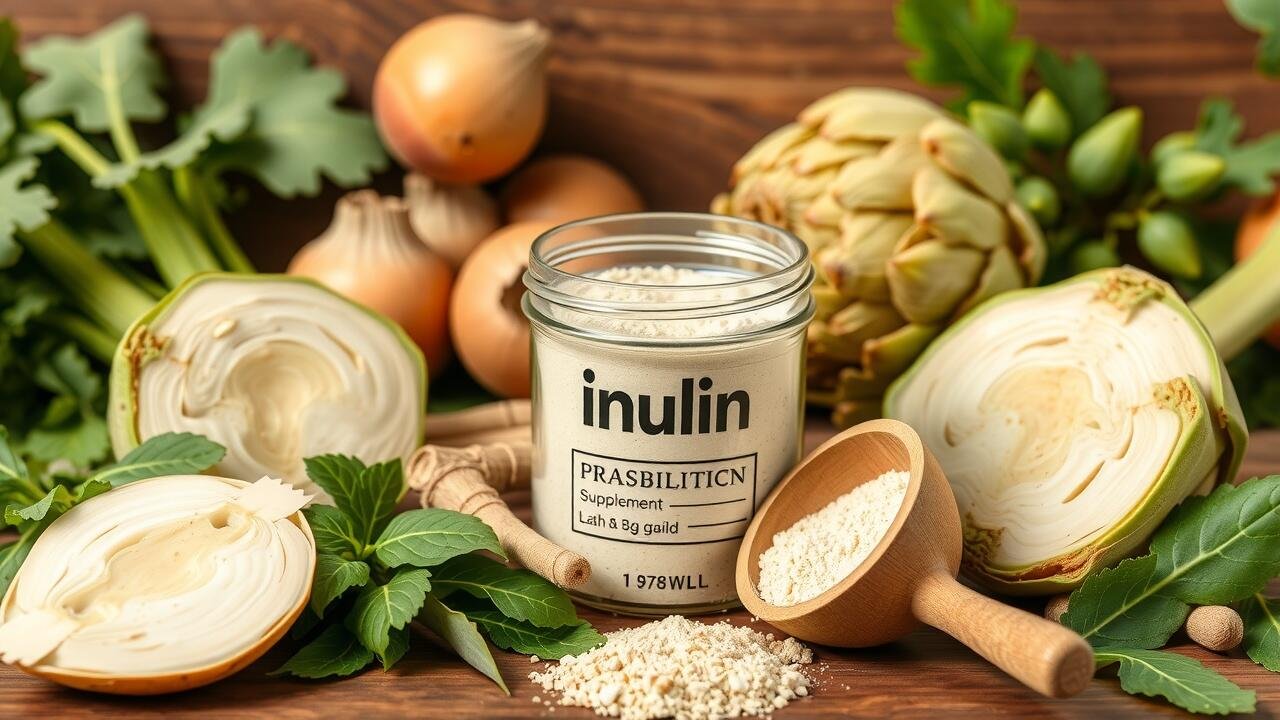
Inulin is a dietary compound found in various foods, particularly those of plant origin. Chicory root is one of the richest sources, while Jerusalem artichokes, onions, and garlic also provide significant amounts. These sources help to support beneficial bacteria strains that contribute to a healthy gut microbiome. Nutritional intervention studies have highlighted the importance of incorporating such dietary fibers to promote a healthy gut lining and enhance gastrointestinal tolerance. Consuming these natural sources can serve as a practical alternative to the best inulin prebiotic supplement available on the market.
Incorporating inulin-rich foods into your daily meals can create a well-fed gut microbiome, essential for maintaining beneficial gut bacteria. By choosing foods that contain this prebiotic fiber, individuals can support their digestive health and overall wellness. It’s important to monitor for certain contaminants in these food sources to maximize their benefits. This dietary intervention not only aids in improving gut health but also complements the use of the best inulin prebiotic supplement, enhancing the growth and activity of beneficial bacteria in the intestines.
Tips for Supplementation
Choosing the best inulin prebiotic supplement involves understanding how it interacts with your overall diet and health goals. Many people find that incorporating oligofructose supplementation enhances their gut microbiota composition effectively. Considering a symbiotic supplement that combines inulin with probiotics can further support targeted gut health. This approach not only promotes lactose digestion but also aids in achieving a balanced gut microbiome, making your supplementation efforts more successful.
It is essential to monitor how your body responds to the supplement after adding it to your routine. Start with a lower dosage to assess tolerance, especially if you are new to prebiotic ingredients. Gradually increase the amount to find what suits your needs best. Paying attention to any changes or reactions can help you modify your diet and choose the best inulin prebiotic supplement tailored to your needs, ensuring that it complements your lifestyle and any other medicines you may be taking.
Potential Side Effects and Considerations
Understanding potential side effects and considerations is essential for anyone seeking the best inulin prebiotic supplement. While inulin is known to enhance lactobacillus populations and provide overall gut health benefits, it is crucial to be aware of possible digestive discomfort for some individuals. Research in ebiomedicine highlights the anti-inflammatory properties of inulin, which can offer comprehensive microbiome support. However, users should also be cautious of common contaminants that may affect microbiome health and ensure products contain actual bacteria strains to maximize benefits. French food safety regulations emphasize the importance of choosing a reputable brand to achieve optimal gut health, as well as to ensure that the lactobacilli allows for the best possible outcomes in gut flora enhancement.
| Side Effect | Description | Considerations |
|---|---|---|
| Digestive Discomfort | Some individuals may experience bloating, gas, or cramps when consuming inulin. | Start with a low dose and gradually increase to allow the digestive system to adjust. |
| Allergic Reactions | In rare cases, individuals may have allergic reactions to inulin or its sources. | Consult a healthcare provider if any allergy symptoms occur, such as rash or swelling. |
| Interactions with Medications | Inulin may affect the absorption of certain medications. | Consult a doctor to ensure no adverse interactions with prescribed medications. |
| Quality of Product | Not all supplements contain effective strains or are free from contaminants. | Choose brands that adhere to safety regulations and conduct thorough testing. |
Conclusion
Inulin serves as a vital prebiotic, promoting total gut health by nourishing beneficial microbiota. The best inulin prebiotic supplement often highlights supplement facts such as the fiber content and specific strains of dietary fructans it includes. Some products come in convenient pouches that allow for easy dosing, enhancing user experience. Research from therapeutic research centers supports the diverse benefits of inulin, making it a favorable choice among prebiotic options. Consumers should also pay attention to packaging and labels to ensure they are selecting a high-quality nutr product that meets their health needs.
FAQS
What is the primary function of inulin as a prebiotic supplement?
Inulin acts as a food source for beneficial gut bacteria, helping to promote a healthy microbiome, improve digestion, and enhance overall gut health.
How can I determine the right dosage of inulin for my needs?
The appropriate dosage can vary based on individual health goals and needs, but a common recommendation is between 5 to 10 grams per day. It’s best to start with a lower dose and gradually increase it while monitoring your body’s response.
Are there any potential side effects of taking inulin supplements?
Some individuals may experience gastrointestinal discomfort, such as bloating, gas, or diarrhea, especially if taken in high doses. It’s advisable to introduce inulin gradually and consult a healthcare professional if you have concerns.
Can I get sufficient inulin from my diet without supplements?
Yes, inulin is naturally found in various foods, such as chicory root, garlic, onions, leeks, and asparagus. Including these foods in your diet can provide a natural source of inulin.
How do I choose the best inulin prebiotic supplement?
Look for supplements that contain high-quality, pure inulin with minimal additives. Consider factors such as dosage, brand reputation, customer reviews, and any certifications for quality and purity.
What are the benefits of using a targeted prebiotic inulin supplement in your diet?
A targeted supplement like inulin offers numerous benefits, such as promoting a well-fed gut microbiome and enhancing the prebiotic effects needed for proper digestion. Prebiotic inulin supplementation, especially when combined with probiotic-rich foods, can lead to improved health outcomes. Inulin ferments in the gut, providing dietary fibre that supports the growth of beneficial probiotic bacteria. Popular forms include inulin powder derived from chicory inulin products or agave inulin, which can be added to greens-plus-prebiotic blends for more comprehensive nutritional intervention. Overall, incorporating prebiotic-rich foods and supplements can significantly affect gut health and overall wellness.
How does inulin impact gut health when integrated into a diet that includes prebiotic-rich foods?
Inulin impact on gut health is profound, especially when paired with prebiotic support alongside other nutrients. Using prebiotic powders benefits can enhance the effects of a diet that promotes a well-fed gut microbiome. Additionally, a greens-plus-prebiotic blend can provide comprehensive nutritional intervention, supported by various clinical studies, demonstrating the advantages of symbiotic supplements for overall gut health.
How can a well-fed gut microbiome be achieved through a diet that promotes the intake of prebiotic-rich foods alongside a supplement like the greens-plus-prebiotic blend?
Achieving a well-fed gut microbiome can be effectively supported by incorporating a diet that promotes prebiotic-rich foods, as well as by using a greens-plus-prebiotic blend. This combination provides prebiotic-type support that enhances the growth of beneficial bacteria in the gut. Additionally, a nutritional intervention study has shown that integrating such supplements with diverse prebiotic foods can significantly improve gut health, leading to a more balanced microbiome.
How can a diet promotes the intake of prebiotic-rich foods work alongside the greens-plus-prebiotic blend to support a well-fed gut microbiome?
A diet promotes the intake of prebiotic-rich foods, combined with the greens-plus-prebiotic blend, can significantly enhance prebiotic-type support for your gut. This synergistic approach helps to nourish beneficial bacteria, fostering a well-fed gut microbiome and improving overall gut health.
How can choosing the best inulin prebiotic supplement enhance your diet alongside prebiotic-rich foods?
Choosing the best inulin prebiotic supplement can provide prebiotic-type support that enhances your diet when combined with prebiotic-rich foods. This combination can contribute to a well-fed gut microbiome, especially with products like the greens-plus-prebiotic blend, which further supports gut health.
How can the best inulin prebiotic supplement provide prebiotic-type support to enhance my diet?
The best inulin prebiotic supplement can offer prebiotic-type support by integrating seamlessly with prebiotic-rich foods, leading to a well-fed gut microbiome. When combined with the greens-plus-prebiotic blend, it optimally nourishes beneficial gut bacteria, ultimately enhancing digestive health and overall well-being.
How can the greens-plus-prebiotic blend work in conjunction with the best inulin prebiotic supplement to provide prebiotic-type support for a well-fed gut microbiome?
The greens-plus-prebiotic blend can work effectively alongside the best inulin prebiotic supplement to offer enhanced prebiotic-type support. This combination can lead to a more balanced diet that emphasizes prebiotic-rich foods, ultimately contributing to a well-fed gut microbiome.
What role does the best inulin prebiotic supplement play in achieving a well-fed gut microbiome alongside prebiotic-rich foods?
The best inulin prebiotic supplement can significantly contribute to achieving a well-fed gut microbiome by providing prebiotic-type support. When combined with prebiotic-rich foods, this supplement complements the greens-plus-prebiotic blend, enhancing the overall effectiveness of your diet to promote a healthy microbiome.
How can the combination of a well-balanced diet and the best inulin prebiotic supplement contribute to a thriving gut microbiome?
Incorporating the best inulin prebiotic supplement into a well-balanced diet can significantly enhance prebiotic-type support for the gut. This approach, when paired with prebiotic-rich foods like fruits, vegetables, and whole grains, can help maintain a healthy and well-fed gut microbiome. Additionally, using a greens-plus-prebiotic blend can further optimize this support for digestive health.
How can the use of prebiotic-rich foods together with the best inulin prebiotic supplement optimize prebiotic-type support for a well-fed gut microbiome?
The combination of prebiotic-rich foods with the best inulin prebiotic supplement can significantly enhance prebiotic-type support by providing a diverse range of fiber and nutrients. This synergy helps nourish beneficial gut bacteria, promoting a well-fed gut microbiome. Additionally, incorporating products like the greens-plus-prebiotic blend into your diet can further support these effects, leading to improved overall gut health.

