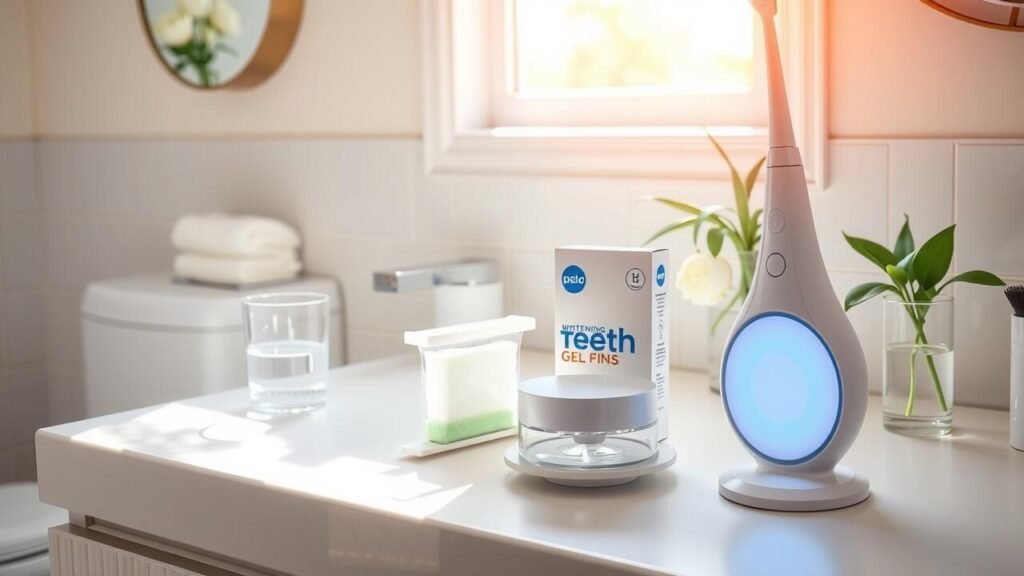
Commercial Products with Natural Ingredients
When considering teeth whitening options, many consumers prefer products that rely on natural ingredients. These formulations often include substances such as activated charcoal, coconut oil, or baking soda. Activated charcoal is believed to absorb stains and impurities, while coconut oil has properties that may help reduce bacteria in the mouth. Baking soda is a well-known abrasive that can aid in removing surface stains without causing significant damage to enamel.
The appeal of natural whitening products lies in their reduced chemical exposure. Many conventional whitening agents, such as hydrogen peroxide, can cause sensitivity or irritation if used excessively. In contrast, products derived from natural sources typically boast fewer side effects. However, effectiveness may vary, and individuals should gauge their own results when opting for these alternatives.
What to Look for in a Whitening Toothpaste
When selecting a whitening toothpaste, it is essential to check for the presence of mild abrasives and natural ingredients. These components help remove surface stains without causing significant damage to enamel. Look for options that contain baking soda, activated charcoal, or natural extracts like tea tree oil. These ingredients can help brighten teeth while being less harsh compared to stronger chemical agents found in many traditional whitening products.
Additionally, aim for toothpastes with the American Dental Association (ADA) Seal of Acceptance. This seal ensures that the product has undergone rigorous testing for safety and effectiveness. Ingredients such as fluoride are also important, as they strengthen teeth and protect against decay. Consider avoiding overly abrasive formulas, which can lead to enamel wear over time. Prioritizing gentle yet effective options will support both your whitening goals and overall oral health.
Dietary Changes for Whiter Teeth
Making certain dietary adjustments can positively influence the brightness of your smile. Incorporating crunchy fruits and vegetables like apples, carrots, and celery can help remove surface stains due to their natural abrasiveness. These foods stimulate saliva production, which in turn aids in neutralizing acids and washes away food particles. Additionally, dairy products rich in calcium and phosphates can strengthen teeth while helping to maintain their natural whiteness.
On the other hand, reducing or avoiding specific foods and beverages can prevent further discoloration. Dark-colored drinks such as coffee, tea, and red wine frequently contribute to stained teeth. Acidic fruits and sodas can erode enamel over time, making teeth more susceptible to yellowing. Opting for water after consuming staining foods or drinks can assist in rinsing away the residues that cause discoloration.
Foods to Include and Avoid
Incorporating certain foods into your diet can significantly contribute to a brighter smile. Crunchy fruits and vegetables, such as apples, carrots, and celery, act as natural toothbrushes, helping to scrub away plaque and surface stains. Dairy products like yogurt and cheese can neutralize acids in the mouth. Their calcium content also strengthens tooth enamel, which can improve the overall appearance of your teeth. Additionally, foods rich in vitamin C, such as strawberries, can boost gum health while providing a gentle whitening effect.
Conversely, some foods can hinder your efforts to achieve whiter teeth. Sugary snacks and beverages encourage the growth of bacteria that produce acids, leading to plaque buildup and enamel erosion. Dark-colored drinks like coffee, tea, and red wine can stain teeth over time, so moderation is key. Acidic foods, like citrus fruits and vinegar, may wear down enamel if consumed excessively. By being mindful of your choices, you can maintain a healthier diet that supports your whitening goals while also promoting overall dental health.
Professional Teeth Whitening Options
Various professional teeth whitening options are available, catering to different preferences and needs. In-office treatments typically utilize stronger bleaching agents for rapid results. Dentists often apply a protective barrier to gums before administering the whitening solution to minimize sensitivity and protect soft tissues. These treatments can brighten teeth several shades in just one session.
For those seeking convenience, take-home kits prescribed by dentists are also prevalent. These kits usually involve custom-fit trays and lower concentrations of bleaching agents. Patients can wear these trays for a specific duration each day, allowing for gradual whitening over time. This option is ideal for those who prefer to whiten their teeth at home while still achieving effective results.
Comparing At-Home and In-Office Treatments
At-home whitening treatments often include strips, gels, and trays that can be purchased without a prescription. These options allow individuals to whiten their teeth at their convenience, often at a lower cost than professional treatments. However, the effectiveness can vary significantly based on the product’s formulation and how consistently it is used. Users must also be cautious, as improper use can lead to enamel damage or increased tooth sensitivity, which are common concerns with these methods.
In-office treatments, conducted by dental professionals, typically involve stronger bleaching agents that can yield noticeable results in a single session. These treatments are often tailored to the specific needs of the patient, ensuring both safety and efficiency. While the price point is generally higher compared to at-home options, the immediate results and professional oversight can be worth the investment. Furthermore, dentists may provide guidance on maintaining whiteness after the procedure, helping to prolong the effects of treatment.
FAQS
What are some natural ingredients found in commercial whitening products?
Common natural ingredients in commercial whitening products include baking soda, activated charcoal, coconut oil, and hydrogen peroxide in low concentrations. These ingredients are known for their mild abrasive properties or ability to lift stains without harsh chemicals.
How can I choose a whitening toothpaste that is less toxic?
Look for whitening toothpastes that are free from artificial colors, flavors, and harsh abrasives. Ingredients like baking soda and natural extracts, such as peppermint or tea tree oil, can be effective and safer alternatives, so check the label for these components.
What dietary changes can help improve the whiteness of my teeth?
Incorporating crunchy fruits and vegetables, such as apples and carrots, can help remove surface stains. Additionally, reducing the consumption of staining foods and beverages like coffee, red wine, and soda can contribute to whiter teeth.
Are there specific foods to avoid for maintaining white teeth?
Yes, it’s best to limit foods and drinks that are known to stain teeth, such as coffee, tea, red wine, berries, and sauces like soy sauce or tomato sauce. Additionally, acidic foods can erode enamel and increase staining risk.
What are the differences between at-home and in-office teeth whitening treatments?
At-home treatments are typically more affordable and convenient, but they may take longer to show results. In-office treatments, conducted by a dental professional, often use stronger whitening agents for quicker, more dramatic results but at a higher cost.
Related Links
best safe teeth whitening
Which teeth whitening method is the safest?
What is the safest and best teeth whitening?