Key Takeaways
- Comprehending Various Collagen Categories
- Comparison of Marine and Bovine Collagen
- Advantages of Marine Collagen
- Perks of Bovine Collagen
- Selecting the Suitable Collagen for Your Needs
Understanding Collagen Types
Collagen is a crucial protein found in the body, contributing to skin elasticity, joint health, and overall structural integrity. Among its various forms, type I collagen is predominantly found in skin, tendons, and bones, while type II collagen is primarily located in cartilage, making it essential for joint function. The debate between marine collagen vs bovine collagen highlights the differences in sourcing and nutrient profiles, affecting their effectiveness and benefits. Hydrolyzed collagen, often marketed as hydrolysed collagen, is available in both marine and bovine forms, offering varying levels of absorption and bioavailability. Understanding these aspects can aid in selecting the right collagen type for specific health and beauty goals.
What Is Collagen?
Collagen is a vital protein found throughout the body, playing a key role in maintaining the structure and integrity of various tissues. It exists in several types, with type III collagen being particularly important for skin, blood vessels, and tissue repair. The differences between marine collagen and bovine collagen highlight the diverse sources of this essential protein. Marine collagen is derived from fish, while bovine collagen comes from cows, each offering unique benefits and characteristics for those looking to supplement their diets.
Collagen peptides, the smaller chains of amino acids that make up collagen, are easily absorbed and utilized by the body. These peptides can enhance the body’s ability to repair and regenerate tissue. The choice between marine collagen and bovine collagen often depends on dietary preferences and health goals. Understanding the distinctions between these sources of collagen can help individuals make informed decisions tailored to their specific needs.
The Role of Collagen in the Body
Collagen functions as a crucial structural protein in the body, primarily providing strength and elasticity to various tissues. It is essential in maintaining the integrity of skin, cartilage, bones, and blood vessels. The differences between marine collagen vs bovine collagen lie in their sources; marine collagen is derived from fish skin and other sea creatures, while bovine collagen comes from cows. This distinction influences how each type interacts with the body, highlighting their unique roles in tissue repair and regeneration.
The body utilizes collagen to support its overall health and functionality. Marine collagen, with its smaller peptide size, is often absorbed more efficiently, potentially offering benefits for skin hydration and elasticity. On the other hand, bovine collagen provides a rich source of Type I and Type III collagen, which are critical for bone and joint health. Understanding these differences can help individuals choose the right type of collagen based on their specific health needs and preferences.
- Collagen plays a vital role in skin health by improving hydration and reducing wrinkles.
- It supports joint health by providing cushioning and reducing pain associated with osteoarthritis.
- Collagen helps in muscle repair and regeneration after exercise, aiding recovery.
- It promotes healthy hair and nails, contributing to their strength and growth.
- Collagen may improve gut health by supporting the intestinal lining.
- It aids in wound healing by supporting tissue regeneration and repair.
- Collagen supplementation can enhance overall wellness and promote a youthful appearance.
Marine Collagen vs Bovine Collagen
Understanding the differences between marine collagen and bovine collagen is essential for making informed choices about supplementation. Marine collagen, derived from fish skin and scales, boasts high bioavailability, making it easier for the body to absorb and utilize. It primarily supports skin and joint health by promoting collagen production in connective tissue and cartilage. Bovine collagen, sourced from cattle, is rich in Type I and III collagen, which is beneficial for muscle strength and overall joint function. The choice between marine collagen and bovine collagen ultimately depends on individual health goals and dietary preferences, as both offer unique advantages tailored to specific needs.
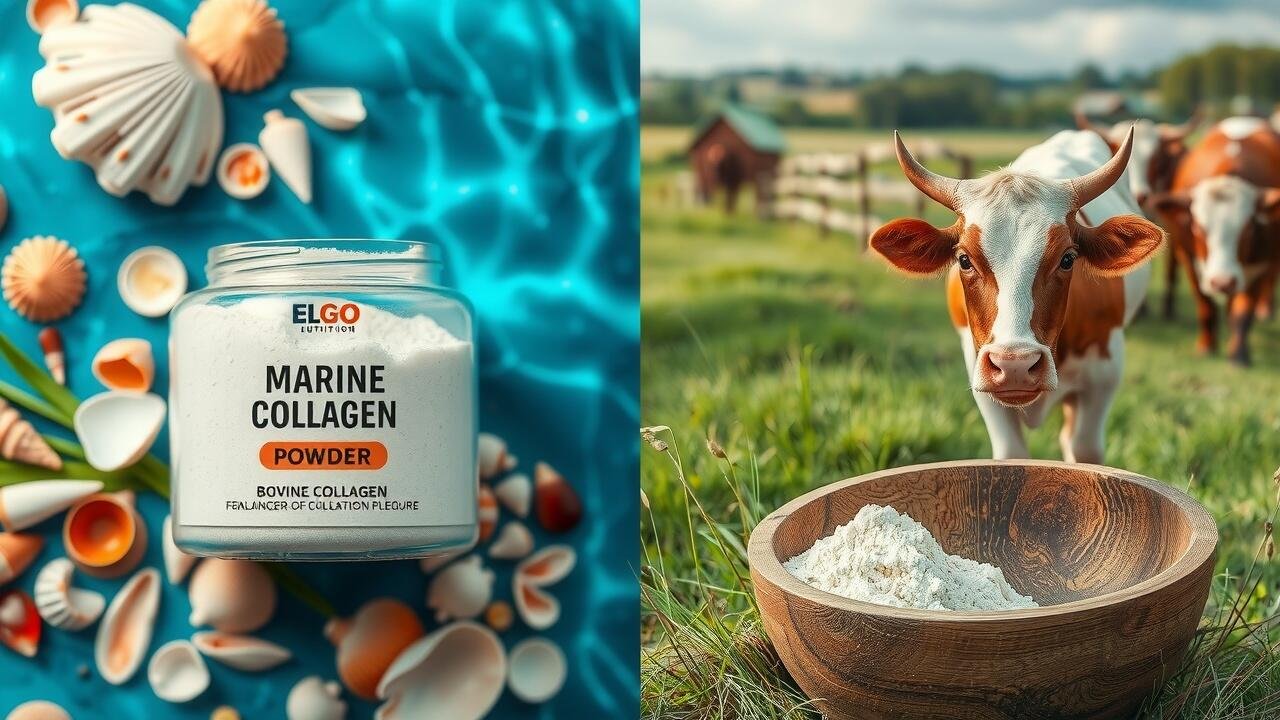
Key Differences Between Marine and Bovine Collagen
Marine collagen and bovine collagen differ significantly in their sources and bioavailability. Marine collagen is derived from fish, primarily the skin and scales, while bovine collagen comes from beef, particularly from the hides and bones. The bioavailability of marine collagen is often considered superior, as it contains smaller peptides that are more easily absorbed by the body. This can be beneficial for promoting healthy joints, skin, and connective tissues.
The effects of these two types of collagen on muscles and bones also vary. Marine collagen tends to support skin elasticity and hydration, making it popular in beauty supplements. Bovine collagen, on the other hand, is often favored for its role in strengthening bones and muscles, providing structural support. Choosing between marine collagen vs bovine collagen may depend on individual health goals and dietary preferences.
Sources of Marine and Bovine Collagen
Marine collagen is primarily derived from the skins, scales, and bones of fish, prominent in oceanic environments. This source is known for its high bioavailability, which means it’s easily absorbed by the body. Rich in glycine and other essential amino acids, marine collagen supports skin elasticity and hydration. Users often report improved skin appearance and reduced joint pain, making it a popular choice for beauty supplements.
Bovine collagen is sourced from cattle, specifically their hides and bones, making it a more traditional form of collagen. This type contains a robust profile of proteins vital for restoring joint health and maintaining skin integrity. The amino acid composition of bovine collagen includes glycine, proline, and hydroxyproline, which are essential for cellular regeneration. In comparing marine collagen vs bovine collagen, many people choose based on dietary preferences or specific health goals.
Benefits of Marine Collagen
Marine collagen offers a unique set of benefits that distinguish it from bovine collagen. One significant advantage of marine collagen is its high bioavailability, which allows for easier absorption in the body compared to other collagen types. This heightened absorption can result in more effective support for skin elasticity, hydration, and overall appearance. While bovine collagen is known for its strength and effectiveness, marine collagen stands out for those seeking a more sustainable source of true collagen. The difference in sourcing also means marine collagen may contain lower levels of contaminants, appealing to health-conscious consumers. Understanding marine collagen vs bovine collagen helps individuals make informed choices based on their specific health needs and lifestyle preferences.
Advantages of Marine Beauty Collagen
Marine beauty collagen offers unique advantages that set it apart from bovine collagen. First, marine collagen contains smaller peptides that are more easily absorbed by the body. This means it can enhance collagen formation efficiently and support increased collagen levels in the skin. Studies suggest that marine collagen may lead to improved skin elasticity and hydration compared to traditional bovine collagen production methods.
High-quality bovine collagen has its merits, but the rapid absorption of marine collagen is often favored in beauty supplements. This quick absorption allows for more immediate benefits in skin health and appearance. The differences between marine collagen vs bovine collagen cannot be overlooked, as those seeking enhanced beauty benefits may find marine sources more effective in their regimen for maintaining youthful skin.
Health Benefits of Marine Collagen Drinks
Marine collagen drinks are gaining popularity for their potential health benefits, particularly in skin health and hydration. Research highlights collagen’s effectiveness in reducing wrinkles and improving skin elasticity, making marine sources a preferred option for many. Compared to bovine collagen, which comes from bones, marine collagen is often praised for its superior absorption rate and higher collagen content. This difference in absorption can play a crucial role in the efficacy of collagen products for enhancing beauty from within.
The nutritional profile of marine collagen drinks often includes essential amino acids that support joint and bone health. Some studies indicate that these drinks may help alleviate joint pain and improve mobility, appealing to individuals seeking relief from arthritis or other conditions. The growing body of evidence regarding collagen quality in marine sources further positions it as a strong contender in the ongoing discussion of marine collagen vs bovine collagen. Consumers benefit from understanding these distinctions to make informed choices about incorporating collagen into their wellness routines.
| Benefit | Description | Sources |
|---|---|---|
| Improved Skin Health | Reduces wrinkles and enhances skin elasticity | Marine Collagen |
| Joint Pain Relief | May alleviate joint pain and improve mobility | Marine Collagen |
| Bone Strength | Supports joint and bone health | Marine Collagen |
| Better Absorption | Higher absorption rate compared to bovine collagen | Marine Collagen |
| Hydration | Helps retain moisture in the skin | Marine Collagen |
Benefits of Bovine Collagen
Bovine collagen offers several advantages that appeal to those seeking a powerful collagen supplement. It is known for its effectiveness in promoting endogenous collagen production in the body, which can enhance overall skin elasticity and joint health. While marine collagen is often highlighted as more effective for joint health and skin health, certain collagen products derived from bovine sources provide their own unique benefits, such as improving gut health and supporting muscle mass. Many consumers express a strong collagen love for these products, leading to a growing market for revive collagen options. In the ongoing discussion of marine collagen vs bovine collagen, each type brings distinct attributes, allowing individuals to choose based on their specific needs and health goals.
Advantages of True Collagen from Bovine Sources
Bovine collagen is renowned for its impressive variety of benefits, especially when compared to marine collagen. Known for its broad collagen profile, bovine collagen contains significant amounts of type I and III collagen, which are crucial for skin elasticity and hydration. This makes bovine collagen peptides a preferred choice for those seeking an effective collagen protein to support skin health. The momentous collagen derived from bovine sources can contribute to a comprehensive collagen cure, addressing not only beauty concerns but also supporting overall joint and bone health.
The nutritional profile of bovine collagen is particularly appealing. It is rich in essential amino acids that promote tissue repair and maintain a youthful appearance. Users often appreciate the compatibility of bovine collagen with various dietary preferences, making it a popular choice in the ongoing debate of marine collagen vs bovine collagen. Bovine collagen’s efficacy in delivering type III collagen, vital for maintaining skin suppleness, further enhances its standing as a potent option for those looking to enrich their diet with collagen protein.
- Supports skin elasticity and hydration
- Contains significant amounts of type I and III collagen
- Promotes tissue repair with essential amino acids
- Benefits overall joint and bone health
- Convenient for various dietary preferences
- Enhances skin suppleness
- Effective alternative to marine collagen
Nutritional Profile of Bovine Collagen
Bovine collagen offers a rich nutritional profile that appeals to many seeking effective collagen supplementation. Unlike some basic collagen supplements, bovine sources provide a unique blend of amino acids essential for skin elasticity, joint health, and overall well-being. Voila…collagen derived from bovine sources is often praised for its bio-absorbable properties, allowing for efficient absorption into the body. As consumers explore marine collagen vs bovine collagen, the nutritional benefits of bovine products remain a significant consideration.
High-quality collagen sources such as bovine collagen contain significant amounts of Type I and Type III collagen, which are crucial for skin and connective tissue support. These types are known for promoting skin hydration and reducing the appearance of wrinkles. While marine collagen is also beneficial, those focused on a robust nutritional profile may find bovine collagen to be a preferred choice. The varied benefits of collagen supplements make it essential to evaluate personal health goals when choosing the right type of collagen.
Choosing the Right Collagen for You
Selecting the right collagen for your needs requires careful consideration of various factors. Understanding the differences between marine collagen vs bovine collagen is essential, as each type offers unique benefits. For those seeking convenience, collagen shots and concentrated liquid collagen can be excellent options, providing quick absorption and ease of use. On the other hand, effective collagen powder and multi-collagen supplements allow for versatile incorporation into daily routines. It’s important to evaluate your health goals and lifestyle to determine whether nutraceutical collagen in powdered form or liquid form will best support your needs.

Factors to Consider When Selecting Collagen
Choosing the right collagen involves evaluating your specific needs and preferences. Those concerned with skin health may find marine collagen particularly appealing due to its benefits for skin elasticity and hydration. Conversely, individuals looking to support joint health and overall tissue repair might lean towards bovine collagen, which is sourced from cow hides. Understanding the differences between marine collagen vs bovine collagen can help you decide which type aligns best with your health goals.
Another important consideration is the form of collagen you prefer. There are various options available, including collagen-infused skincare products for topical application and easy-to-drink collagen supplements for daily consumption. A nutraceutical collagen drink could also provide a convenient solution for those seeking the combined benefits of both types. Assessing these factors ensures you select a collagen product that fits seamlessly into your lifestyle while addressing your specific health and beauty needs.
Conclusion
Understanding the differences between marine collagen and bovine collagen is essential for making an informed choice about supplementation. Marine collagen offers superior bioavailability, making it highly effective for tissue maintenance and enhancing connective tissue strength. On the other hand, bovine collagen sourced from organic cattle also provides significant benefits, particularly in supporting muscle recovery and overall body health. Both types have unique advantages that cater to different needs, highlighting the importance of selecting the right option based on individual health goals. The ongoing debate of marine collagen vs bovine collagen ultimately underscores the need for personalized approaches to collagen supplementation.
FAQS
What is the main difference between marine collagen and bovine collagen?
The main difference lies in their sources; marine collagen is derived from fish, particularly their skin and scales, while bovine collagen comes from cows, specifically their skin, bones, and cartilage.
Which type of collagen is better for skin health?
Both marine and bovine collagen can benefit skin health, but marine collagen is often praised for its superior absorption rate and efficacy in improving skin hydration, elasticity, and reducing wrinkles.
Are there any dietary restrictions to consider when choosing between marine and bovine collagen?
Yes, individuals who follow a pescatarian or vegetarian diet may prefer marine collagen, whereas those who avoid beef products for dietary or religious reasons might choose marine collagen as a suitable alternative.
How do the amino acid profiles of marine and bovine collagen differ?
Marine collagen typically contains higher levels of glycine and proline, which are beneficial for skin and joint health, while bovine collagen has a more balanced amino acid profile that supports overall collagen synthesis in the body.
Can I take both marine and bovine collagen supplements together?
Yes, taking both marine and bovine collagen supplements together can be beneficial as they may complement each other, providing a wider range of amino acids and enhancing overall collagen production in the body.
What is the significance of momentous collagen in relation to marine collagen and bovine collagen?
Momentous collagen refers to the high-quality collagens derived from animal sources, specifically from mammals. When discussing collagen options, it’s important to note that marine collagen is more effective for joint health and skin health. It is also considered a bio-absorbable collagen, meaning it is bioavailable and can be more readily utilized by the body compared to other forms, such as bovine collagen. This makes marine collagen particularly beneficial for enhancing the health of the skin and/or joints.
How does marine collagen compare to bovine collagen in terms of its health benefits?
Marine collagen isn’t just another supplement; it’s known for its unique amino acid profile, which may offer distinct health benefits compared to bovine collagen.
What are the differences in sourcing between marine collagen and bovine collagen?
Marine collagen is derived from fish, typically from the skin and scales, while bovine collagen is sourced from cows, often obtained from the bones and hides. Each type of collagen has unique properties and benefits based on its source.
What are the key differences in the amino acid profiles of marine collagen and bovine collagen?
The key differences in the amino acid profiles of marine collagen and bovine collagen can significantly impact their benefits and applications. Marine collagen typically has higher levels of glycine and proline, which are beneficial for skin health, while bovine collagen is rich in hydroxyproline, important for joint support. Understanding these differences can help in choosing the right type of collagen based on individual health needs.
How do the environmental impacts of sourcing marine collagen and bovine collagen differ?
The environmental impacts of sourcing marine collagen and bovine collagen vary significantly. Marine collagen is typically derived from fish, which can have a lower carbon footprint compared to bovine collagen, often sourced from cattle. Sustainable fishing practices can influence the ecological effects of marine collagen production, while livestock farming for bovine collagen can contribute to greater land use and greenhouse gas emissions.