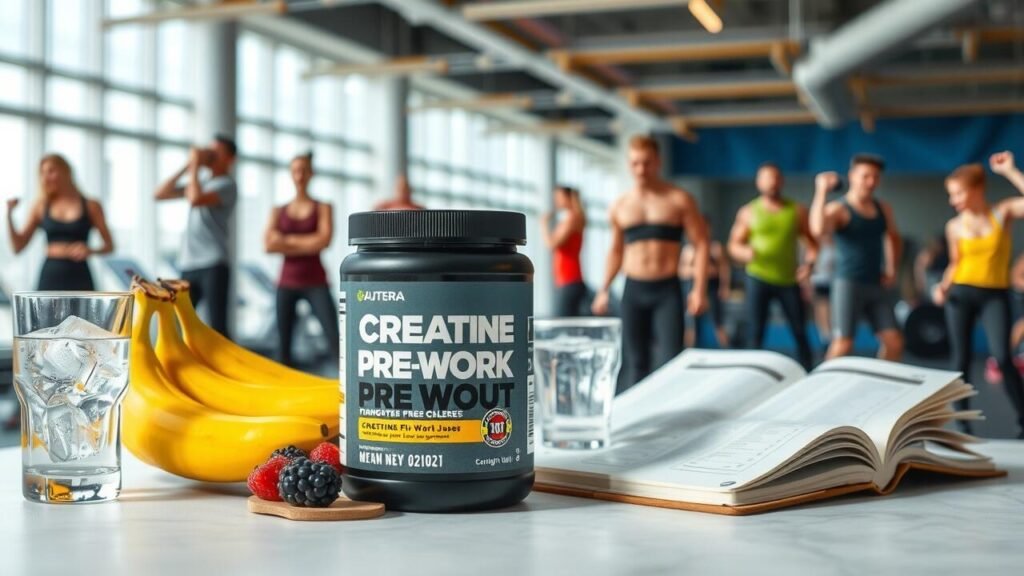
Combining Fruit with Other Foods
Many people enjoy pairing fruit with other foods to create a balanced snack before a workout. Combining fruits with sources of protein or healthy fats can enhance energy levels and provide sustained fuel during exercise. For instance, adding nut butter to apple slices or Greek yogurt to berries not only increases nutrient density but also slows down sugar absorption, preventing sharp spikes in blood sugar.
In addition to enhancing taste, these combinations can improve overall satiety. The fiber in fruit, when paired with protein or fats, can contribute to a feeling of fullness that may be beneficial for some individuals. This combination can help to sustain energy levels throughout a workout, potentially leading to better performance and endurance.
Enhancing Nutritional Value Before Training
Fruits are packed with essential vitamins, minerals, and antioxidants that can play a vital role in enhancing overall nutritional value before engaging in physical activity. For example, bananas are rich in potassium, which helps maintain electrolyte balance and prevents muscle cramps. Similarly, berries provide a wealth of antioxidants that combat oxidative stress during intense workouts, supporting recovery and performance.
Incorporating fruit into pre-workout meals or snacks can also provide a quick source of carbohydrates. Natural sugars found in fruits, such as glucose and fructose, build energy stores that fuel the body throughout exercise. Choosing the right fruit can quickly elevate blood sugar levels, providing the necessary energy boost before a workout, making it an ideal option for those looking to enhance their exercise regimen.
Individual Digestive Responses to Fruit
The way individuals digest fruit varies widely, influenced by personal metabolism and dietary habits. Some people may experience quick energy release and optimal performance when consuming fruit shortly before exercising. Others might face discomfort or digestive issues, impacting their workout intensity and effectiveness.
Understanding how your body reacts to different types of fruit is crucial for tailoring pre-workout nutrition. While bananas or apples may sit well for some, others might find that more fibrous fruits, such as pears, can cause bloating if eaten too close to exercise. Observing personal reactions to fruit consumption provides insight into the best timing and types of food to support your fitness goals.
Listening to Your Body’s Signals
Understanding personal digestive responses is essential for optimizing pre-workout nutrition. When consuming fruit before exercising, individuals may experience varying reactions. Some may find a quick energy boost and feel light, while others might encounter discomfort. Noting these responses allows you to adjust your pre-workout choices based on how your body reacts.
Paying attention to hunger cues and energy levels is crucial. If you feel sluggish after eating fruit, it may be wise to experiment with different timing or types of fruit. Each person’s body is unique, and what works for one individual may not suit another. Monitoring these signals enhances your workout experience, making adjustments as necessary to achieve the best results.
The Science Behind Fruit and Exercise Performance
Fruits are rich in carbohydrates, which are essential for fueling the body during physical activity. The natural sugars found in fruits, such as fructose and glucose, provide a quick source of energy. This makes fruits particularly beneficial when consumed shortly before a workout, as they can replenish glycogen stores and enhance endurance levels. In addition, fruits offer a variety of vitamins and minerals that contribute to overall health, supporting the body’s metabolic processes during exercise.
Research suggests that specific fruits, such as bananas and berries, can improve exercise performance. Bananas are often touted for their potassium content, which aids in muscle function and hydration. Berries, on the other hand, contain antioxidants that may reduce muscle inflammation and oxidative stress caused by intense physical exertion. These benefits highlight the potential of fruits as effective pre-workout snacks, capable of enhancing both energy levels and overall workout efficiency.
Key Studies Supporting Pre-Workout Fruit Intake
Research has highlighted the benefits of consuming fruit prior to a workout. A study published in the Journal of the International Society of Sports Nutrition found that athletes who consumed fruit, particularly bananas, experienced improved performance during high-intensity exercises. The natural sugars and carbohydrates in fruit provide a quick source of energy that can enhance endurance and delay fatigue.
Another investigation in the Journal of Applied Physiology suggested that fruit, rich in vitamins and antioxidants, can aid recovery post-exercise. Consuming fruits like berries and oranges not only supports hydration but also helps in reducing muscle soreness. Overall, these findings suggest that incorporating fruit before workouts can contribute positively to exercise outcomes.
FAQS
Is it beneficial to eat fruit 30 minutes before a workout?
Yes, eating fruit 30 minutes before a workout can provide a quick source of energy due to its natural sugars, vitamins, and minerals, which can enhance your performance.
What types of fruit are best to consume before a workout?
Fruits that are high in carbohydrates and easy to digest, such as bananas, apples, and oranges, are generally recommended for pre-workout snacks.
Can eating fruit too close to my workout cause digestive issues?
It can for some individuals, as everyone’s digestive system reacts differently. If you are prone to digestive discomfort, it may be wise to experiment with timing and portion sizes.
How much fruit should I eat before a workout?
A serving of fruit, such as one medium banana or a cup of mixed berries, is typically sufficient to fuel your workout without overloading your stomach.
Are there any fruits I should avoid before exercising?
While most fruits are beneficial, it’s best to avoid those that are high in fiber or rich in fat, such as avocados or dried fruits, as they may take longer to digest and could lead to discomfort during your workout.
Related Links
best pre workout fruit
Which fruit is best for pre-workout?
Review of the top fruits to eat before a workout.