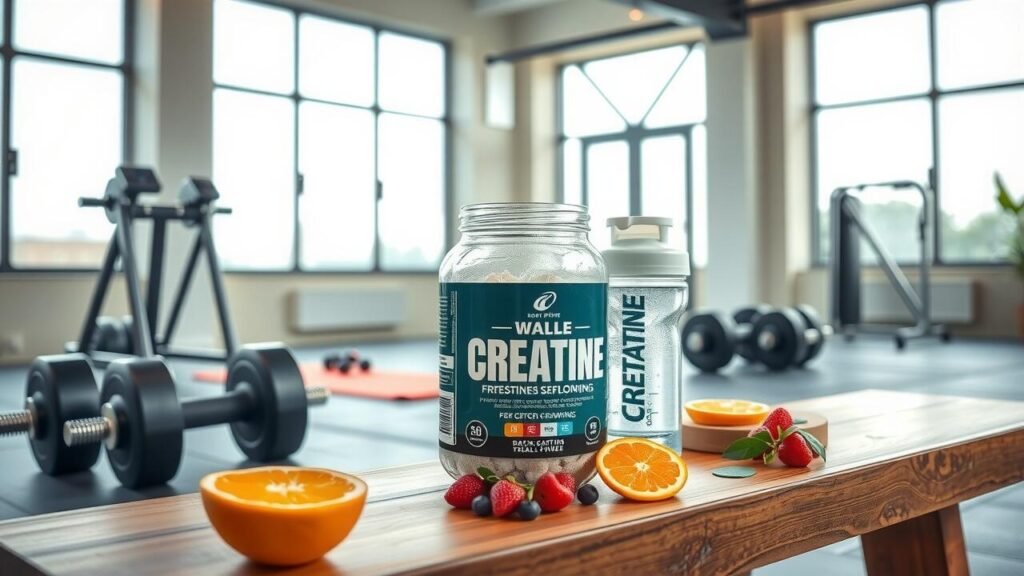
Buffered Creatine
Buffered creatine is designed to help minimize side effects commonly associated with traditional creatine, such as stomach discomfort and bloating. By combining creatine monohydrate with alkaline substances, this form claims to enhance stability and improve absorption in the body. Users often report a gentler experience during loading phases and prolonged use, making it appealing for those sensitive to standard creatine supplements.
Research is still ongoing into the unique benefits of buffered creatine compared to its conventional counterparts. Some studies suggest that it may boost performance similarly without requiring high doses. However, opinions remain divided regarding its overall effectiveness and whether the purported advantages justify the potentially higher cost associated with this version of creatine.
How Buffered Creatine Differs from Other Types
Buffered creatine stands out primarily due to its unique formulation, which involves the addition of alkaline compounds. This alteration helps to stabilize the creatine molecule, potentially reducing the acidity that can lead to breakdown in stomach acid. As a result, users may experience fewer gastrointestinal issues compared to more traditional forms of creatine. This stability also claims to enhance the absorption rate, allowing for more effective delivery into the muscles.
In terms of solubility, buffered creatine is often noted for dissolving more readily in liquids, making it easier to incorporate into shakes or other beverages. This characteristic may contribute to better overall convenience for users, as mixing and consuming the supplement can become a simpler process. Furthermore, the gentler nature of buffered creatine means that athletes and fitness enthusiasts with sensitive stomachs might find it a more suitable option, encouraging consistent usage without the discomfort sometimes associated with other forms.
Creatine Hydrochloride
Creatine hydrochloride, often abbreviated as HCl, has gained recognition in the fitness community for its solubility and absorption qualities. The hydrochloride form is believed to dissolve better in water compared to traditional creatine monohydrate, which may facilitate faster uptake by muscle cells. This characteristic makes it appealing for those looking for rapid effects, particularly in pre-workout situations.
Some users report experiencing fewer digestive issues with creatine hydrochloride than with other forms. While creatine monohydrate often requires a loading phase, many proponents suggest that HCl can deliver results without this extra step. However, scientific comparisons in performance benefits between this form and traditional creatine are still being evaluated, leaving room for skepticism about its overall effectiveness in enhancing athletic performance.
Potential Benefits and Drawbacks
Creatine hydrochloride has gained popularity due to its solubility in water, allowing for easier digestion and absorption compared to traditional creatine monohydrate. This form is often marketed with claims that it doesn’t cause water retention, a common issue with other creatine types. Additionally, some users report that it requires a smaller dosage to achieve similar performance benefits, making it appealing for those looking for convenience without excessive intake.
On the downside, scientific research on creatine hydrochloride is still limited when compared to more established forms like creatine monohydrate. Some athletes may not experience the same strength and muscle gain benefits that they can achieve with proven variants. Price can also be a consideration, as creatine hydrochloride often comes at a premium compared to more widely studied options. This can make it less accessible for those on a tight budget.
Liquid Creatine
Liquid creatine has gained popularity among athletes and fitness enthusiasts for its perceived convenience. It is often marketed as an easy-to-use alternative, eliminating the need for mixing powders with liquids. The appeal of instant consumption can be alluring, especially for those who prioritize quick loading before workouts. However, the stability of creatine in liquid form can be a concern. Research suggests that creatine may degrade into creatinine when stored in liquid form for extended periods, potentially diminishing its effectiveness.
The potential for varying absorption rates also raises questions regarding its efficacy compared to traditional powdered forms. Some studies indicate that while liquid creatine may offer similar performance benefits when consumed freshly mixed, the benefits might not be as pronounced when it has been pre-formulated for prolonged shelf life. Consequently, users should weigh the convenience of liquid creatine against the potential trade-offs in effectiveness and stability.
Performance Comparisons with Other Forms
Performance comparisons highlight distinct features among various forms of creatine. Many studies have shown that creatine monohydrate remains the gold standard due to its widespread research backing and proven efficacy. In contrast, buffered creatine claims advantages in absorption and reduced gastrointestinal distress, but evidence supporting these benefits tends to be less comprehensive.
Liquid creatine offers convenience, appealing to those seeking an easy-to-use option. However, the stability of liquid formulations can be questionable over time, which may impact their overall effectiveness. When comparing with creatine hydrochloride, there are indications that the latter might require lower doses for similar benefits, yet user experiences vary widely.
FAQS
What is the most effective form of creatine?
The most effective form of creatine can vary based on individual needs, but creatine monohydrate is widely recognized for its proven efficacy and extensive research backing its benefits.
How does buffered creatine differ from other types?
Buffered creatine is designed to be gentler on the stomach and may reduce the risk of gastrointestinal discomfort compared to other forms of creatine. It features a pH-buffering process aimed at enhancing absorption.
What are the potential benefits of creatine hydrochloride?
Creatine hydrochloride is known for its high solubility, which may lead to better absorption. Users often report less bloating and water retention compared to creatine monohydrate, making it a popular choice.
Is liquid creatine effective for performance?
Liquid creatine offers convenience, but its effectiveness can be debated. Some studies suggest that liquid forms may degrade over time, potentially reducing their potency compared to powdered forms which are more stable.
Can I mix different types of creatine for better results?
While it’s generally safe to mix different types of creatine, the effectiveness can vary. It’s best to choose one form that suits your needs and stick with it to assess its impact on your performance.
Related Links
creatine gummies vs powder
Do creatine gummies work as good as the powder?
What are the cons of creatine gummies?