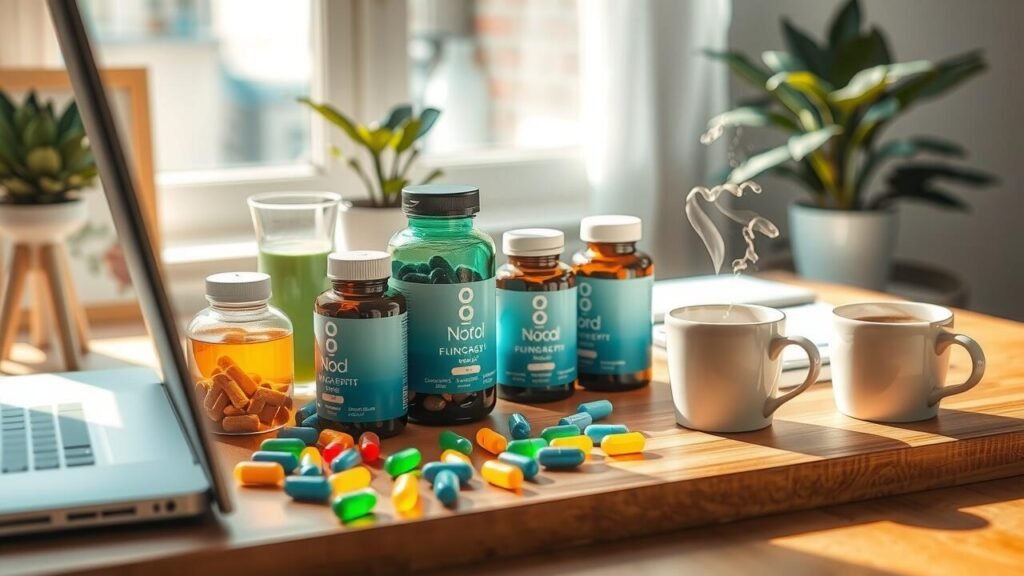
Testimonials from Users of Low-Caffeine Energy Drinks
Many users have expressed their appreciation for low-caffeine energy drinks, highlighting the balance they provide between a boost and a more manageable caffeine level. One individual noted that switching to a low-caffeine option allowed them to maintain energy throughout the day without experiencing the jitters associated with higher caffeine content. Another user shared that they appreciated the ability to enjoy energy drinks in the evening without the fear of disrupting their sleep.
Feedback often emphasizes the pleasant effects of lower caffeine alternatives. A professional echoed this sentiment, mentioning that the reduced caffeine helped improve their focus during long work hours without the subsequent crash. Customers also reported enjoying the various flavor options, making these drinks not just functional but also enjoyable to consume.
Personal Experiences and Feedback
Users often find that low-caffeine energy drinks provide a pleasant energy boost without the jitters associated with higher caffeine levels. Many appreciate being able to enjoy a refreshing beverage during the day without feeling overstimulated. Some have shared that these drinks are particularly helpful in the afternoon when energy dips can occur. This allows for sustained productivity without an overwhelming surge of energy.
Feedback indicates that consumers enjoy the variety of flavors offered in low-caffeine options. Several individuals have noted that the taste often rivals traditional energy drinks, making them a favored choice. Many users emphasize the importance of flavor, especially when opting for lower caffeine alternatives. This focus on taste contributes to a more enjoyable experience, turning these beverages into a staple for those looking for a milder pick-me-up.
Energy Drinks with Unique Flavor Profiles
Flavor innovation plays a significant role in the appeal of energy drinks. Consumers increasingly seek products that not only provide a boost but also offer enjoyable taste experiences. Brands respond to this demand by experimenting with a variety of flavors, ranging from tropical fruit blends to unique herbal infusions. This diversity allows enthusiasts to select drinks that suit their palate, whether they prefer something zesty, sweet, or even savory.
Some energy drinks incorporate less common fruits or spices to stand out in a crowded market. These unique flavor profiles provide an alternative to traditional citrus or berry flavors. By introducing flavors like hibiscus, matcha, or tamarind, companies can attract consumers who are looking for something different in their daily energy boost. Such options can enhance the overall experience of energy drinks while keeping the caffeine content low, making them suitable for a wider range of individuals.
Exploring Taste While Keeping Caffeine Low
For those seeking energy without high caffeine levels, the world of flavor in low-caffeine energy drinks is quite varied. Brands have made significant strides in developing unique flavors that appeal to different palates. From fruity blends to more exotic combinations, these drinks provide refreshing options without overwhelming the senses. The focus is on delivering an enjoyable experience that enhances mood and motivation without the jittery side effects that can accompany high caffeine intake.
The balance between taste and low caffeine content often drives innovation in the beverage industry. Manufacturers experiment with ingredients such as natural fruit extracts and herbal infusions to create formulations that are both delightful and energizing. Consumers appreciate this effort, as it allows them to enjoy their drinks without compromising their health or daily activities. With careful attention to ingredients and flavor profiles, these energy drinks offer a satisfying alternative for those wary of excessive caffeine.
The Role of B Vitamins in Energy Drinks
B vitamins play a crucial role in energy metabolism, supporting the body’s ability to convert food into fuel. These vitamins, including B1, B2, B3, B6, and B12, help in energy production at the cellular level. They contribute to the breakdown of carbohydrates, fats, and proteins, ensuring that energy is readily available for physical and mental activities. Many energy drinks emphasize the inclusion of B vitamins to provide an alternative source of energy, especially for those seeking lower caffeine options.
Incorporating B vitamins into low-caffeine energy drinks allows consumers to experience an energy boost without the jittery effects often associated with higher caffeine levels. The presence of these vitamins can enhance mental clarity and reduce fatigue, making them appealing for people aiming to improve focus throughout their day. This combination not only appeals to those sensitive to caffeine but also attracts health-conscious individuals who appreciate the added benefits of B vitamins in their daily regimen.
Enhancing Energy Levels without Caffeine
Many consumers are seeking alternatives to traditional energy drinks, focusing on products that can provide a boost without the jitters associated with high caffeine content. Some brands have turned to B vitamins, which play a pivotal role in energy metabolism. Incorporating adequate levels of B vitamins can help convert food into energy, making them a natural companion in energy products. Users often report feeling more alert and focused after consuming drinks rich in these essential nutrients, allowing them to maintain productivity without relying solely on caffeine.
Other ingredients are also gaining traction as effective energy enhancers. Adaptogenic herbs like ashwagandha and rhodiola rosea appear in various formulations, promising to support energy while managing stress. These natural components work by helping the body adapt to stressors, promoting endurance and mental clarity. The combination of these supplements creates a unique offering for those looking to harness energy in a different way, which can be appealing for individuals sensitive to caffeine or those who simply prefer to limit their intake.
FAQS
What are some examples of low-caffeine energy drinks?
Some examples of low-caffeine energy drinks include brands like Bai, REIGN Total Body Fuel, and Zevia Energy, which typically contain less than 100 mg of caffeine per serving.
How can I find energy drinks that are low in caffeine?
You can find low-caffeine energy drinks by checking the nutritional labels on the packaging, searching for brands that advertise low caffeine content, or looking for drinks that highlight natural ingredients and lower caffeine levels.
Are low-caffeine energy drinks effective for boosting energy?
Yes, many low-caffeine energy drinks use other ingredients such as B vitamins, electrolytes, and natural extracts to help enhance energy levels without relying heavily on caffeine.
Can I consume low-caffeine energy drinks before bedtime?
While low-caffeine energy drinks are generally less likely to disrupt sleep, it’s still advisable to limit consumption close to bedtime, as individual sensitivity to caffeine can vary.
Are there any health benefits to low-caffeine energy drinks?
Low-caffeine energy drinks can offer benefits such as hydration, improved energy levels through vitamins and minerals, and the enjoyment of unique flavors without the jitters often associated with high caffeine consumption.
Related Links
best low caffeine energy drink
What organ is most affected by energy drinks?
Is Red Bull low in caffeine?