Best Creatine Brands on the Market
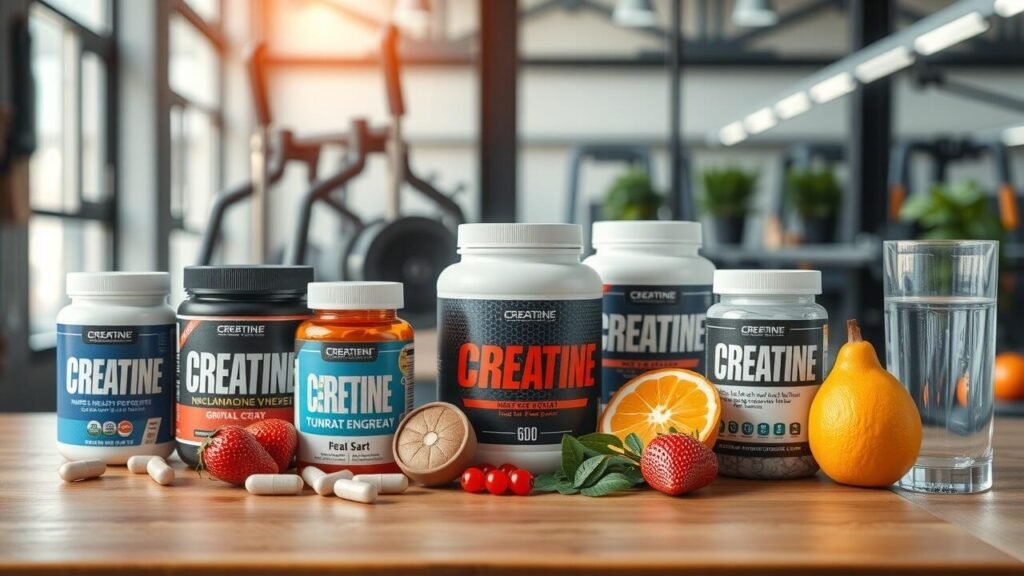
Several brands have established strong reputations in the creatine market. Among them, Optimum Nutrition and MyProtein are frequently cited for their high-quality formulations. These brands offer pharmaceutical-grade creatine monohydrate, which is known for its effectiveness in boosting athletic performance and muscle mass. Transparent Labs and Klean Athlete stand out as well, focusing on purity and clean ingredients. Their products are free from artificial additives, appealing to health-conscious consumers.
Creatine HCL is another popular form endorsed by various brands, particularly by companies like Redcon1 and Muscle Feast. This form is lauded for its enhanced solubility and bioavailability. Each brand brings its unique selling points to the table, whether it’s flavor, mixability, or additional performance-enhancing ingredients. Men seeking the best creatine should consider both personal preferences and specific fitness goals when reviewing these reputable options.
Top Picks Based on Quality and Performance
Creatine monohydrate remains the gold standard in the supplement industry, renowned for its efficacy and affordability. Brands like Optimum Nutrition and MyProtein consistently deliver high-quality formulations that ensure potency and purity. These products undergo rigorous testing, providing assurance to users seeking reliable performance enhancements in their workouts. The micronized versions of creatine monohydrate, which dissolve more readily in water, offer even better absorption rates, making them popular among athletes and fitness enthusiasts.
Another noteworthy contender is creatine hydrochloride, which some users find easier on the stomach and potentially more effective due to its superior solubility. Brands such as Kaged Muscle and Ghost have curated high-grade hydrochloride options that maintain excellent performance without the bloating commonly associated with other creatine forms. These alternatives cater to individual preferences while ensuring optimal results, crucial for those aiming to elevate their strength training or endurance activities. Both monohydrate and hydrochloride options maintain their relevance due to their distinct benefits and user satisfaction.
How to Choose the Right Creatine
When selecting creatine, considering the form is essential. Creatine monohydrate remains the most researched and widely recommended type. Other forms, such as creatine ethyl ester and buffered creatine, claim to offer additional benefits but often lack the extensive supportive research that monohydrate boasts. Assessing personal preferences regarding taste and solubility can also play a role in the decision-making process.
The purity and quality of the creatine supplement are equally important. Look for products that are third-party tested to ensure they meet safety and efficacy standards. Ingredients should be free from unnecessary fillers and additives. Reading reviews and checking certifications can help gauge the reputation of different brands. Evaluating the dosage recommendations can assist in aligning the supplement with your fitness goals.
Key Factors to Consider
When selecting the best creatine, purity and composition should be primary considerations. Look for creatine monohydrate, as it is the most researched and proven form. Choosing products that are labeled as micronized can also enhance solubility and absorption, leading to better performance outcomes. Additionally, check for third-party testing to ensure no contaminants or unlisted ingredients are present.
Another important factor is the presence of additional ingredients. Some creatine supplements come with added ingredients such as carbohydrates, amino acids, or other performance-enhancing compounds. While these can enhance your results, it’s essential to evaluate whether these additions align with your specific fitness goals. Understand your body’s tolerance to various ingredients to prevent any adverse reactions.
Timing Your Creatine Intake
Proper timing for creatine intake can influence its effectiveness, especially when aligning it with workout schedules. Many experts suggest taking creatine shortly before or after a workout to maximize muscle uptake. Consuming it with a meal that includes carbohydrates can enhance insulin response, potentially increasing creatine absorption by muscle cells. This strategic timing can harness the body’s heightened sensitivity to nutrients post-exercise.
Consistency in taking creatine is just as important as timing. Daily intake, whether it’s on workout days or rest days, helps maintain elevated creatine stores in muscle tissues. Some users prefer splitting doses throughout the day, while others find a single serving sufficient. Listening to your body and monitoring its response can assist in finding the optimal routine tailored to individual preferences and training goals.
When to Take Creatine for Maximum Effectiveness
The timing of creatine intake can significantly influence its effectiveness. Many athletes and fitness enthusiasts prefer taking creatine immediately before or after their workouts. Consuming it in close proximity to exercise can help maximize muscle saturation, allowing the body to utilize the supplement most efficiently during high-intensity performance.
Some research suggests that post-workout is the optimal time for creatine consumption. This period often coincides with the body’s heightened insulin sensitivity, which can enhance the uptake of creatine into muscle cells. Pairing creatine with a source of carbohydrates can amplify this effect, facilitating better recovery and promoting muscle growth.
FAQS
What is creatine and how does it work?
Creatine is a naturally occurring compound found in small amounts in certain foods and produced by the body. It helps to supply energy to cells, particularly muscle cells, by increasing the availability of adenosine triphosphate (ATP), which enhances performance during high-intensity exercise.
Are there different types of creatine available?
Yes, there are several types of creatine available, including creatine monohydrate, creatine ethyl ester, buffered creatine, and liquid creatine. Creatine monohydrate is the most researched and widely recommended form due to its effectiveness and affordability.
How much creatine should a man take daily?
The common dosage for creatine is 3-5 grams per day for maintenance after an initial loading phase of about 20 grams per day split into multiple doses for 5-7 days. It’s best to consult with a healthcare professional for personalized recommendations.
Can creatine be taken with other supplements?
Yes, creatine can be safely taken with other supplements, such as protein powders, amino acids, or pre-workout formulations. However, it’s important to ensure that the combination is safe and appropriate for your fitness goals.
Is it necessary to cycle creatine?
Cycling creatine is not necessary for most people, as studies have shown that continuous use does not lead to diminished effectiveness. However, some individuals choose to cycle creatine for personal preference or to give their body a break. Always consult with a healthcare professional for advice tailored to your individual needs.