Types of Creatine Available
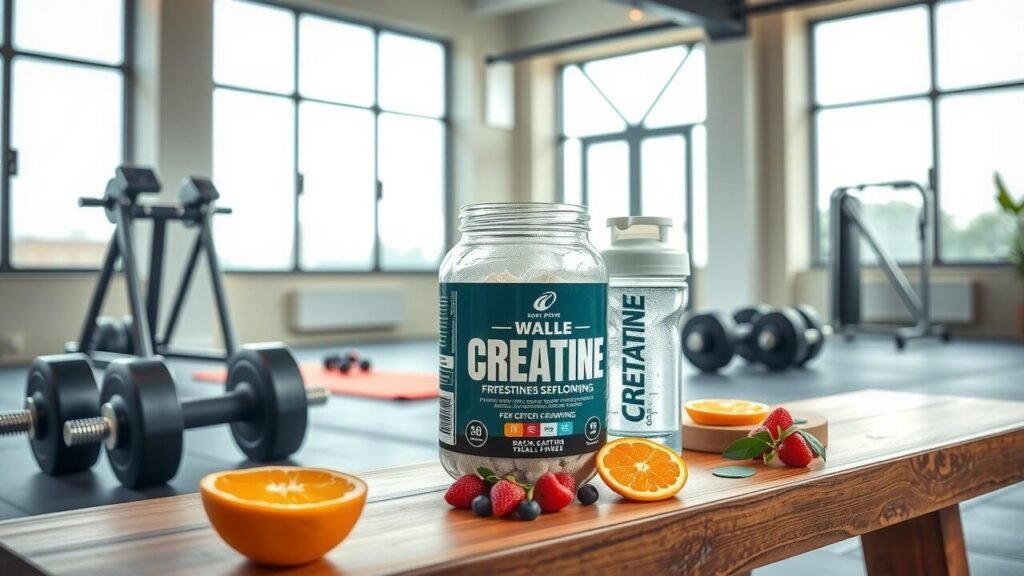
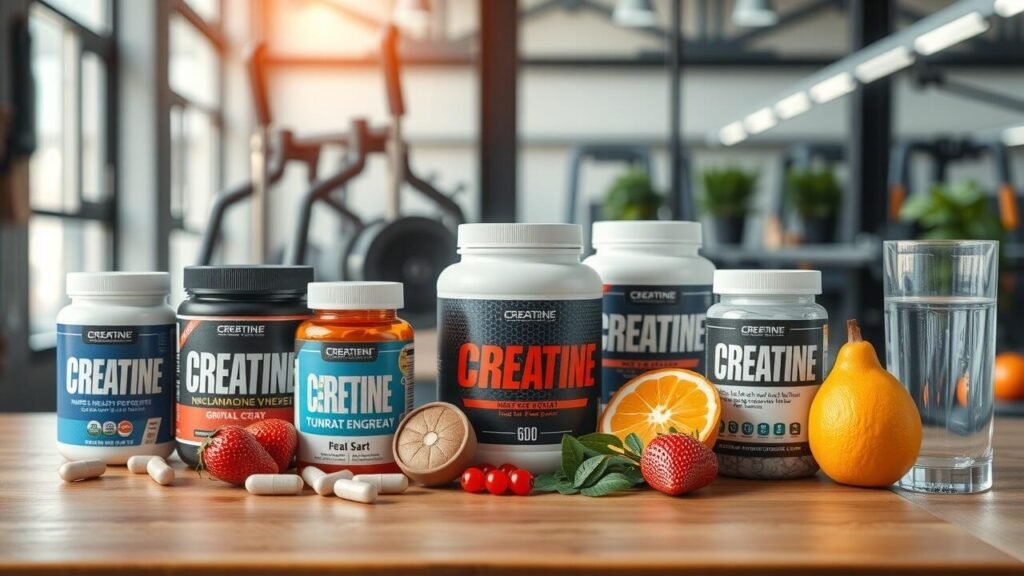
Creatine comes in several forms, each with unique characteristics and potential benefits. Creatine monohydrate remains the most common and extensively studied type. It is known for its effectiveness in enhancing strength and athletic performance. Other variants include creatine ethyl ester, buffered creatine, and creatine hydrochloride. These alternatives may promise faster absorption or reduced side effects, although research on their efficacy often trails that of creatine monohydrate.
Additionally, the type of creatine may influence how it interacts with different individuals based on their dietary habits and exercise regimens. Some athletes prefer creatine blends that combine multiple forms in a single supplement, believing that this improves overall effectiveness. It is crucial to assess personal fitness goals and body responses when choosing the right type of creatine, as what works for one individual may not yield the same results for another.
Differences Between Creatine Monohydrate and Other Forms
Creatine monohydrate is the most studied and widely used form of creatine in the supplement industry. It has garnered a reputation for effectively enhancing strength and performance. Its molecular structure allows for efficient absorption in the body, making it a go-to choice for many athletes and fitness enthusiasts. This form typically comes in a fine powder that can easily be mixed with liquids, leading to its popularity among users looking for convenience and effectiveness.
Other forms of creatine, such as creatine ethyl ester and buffered creatine, have emerged on the market, each claiming to offer unique benefits. Creatine ethyl ester is believed to have better absorption and reduced water retention, while buffered versions aim to minimize gastrointestinal discomfort. Despite these claims, research indicates that monohydrate remains the gold standard due to its proven efficacy and cost-effectiveness. This makes it crucial for consumers to evaluate the science behind different forms before deciding which type suits their needs best.
Ingredient Transparency in Brand Selection
When choosing a creatine brand, ingredient transparency plays a crucial role in ensuring you receive a high-quality product. Consumers should seek brands that clearly list their ingredients and sourcing methods. This information not only builds trust but also aids users in understanding the composition and potential effects of the supplement they are considering. Brands that disclose details about their manufacturing practices and any third-party testing they undergo demonstrate a commitment to quality and safety.
Additionally, awareness of potential additives is essential when evaluating creatine supplements. Some products may contain fillers, artificial flavors, or sweeteners that could affect performance or overall health. Opting for brands that prioritize clean formulations helps ensure that athletes can focus on their training without concerns over harmful substances. Transparent labeling empowers consumers to make informed decisions, contributing to better outcomes in their fitness regimens.
Importance of Knowing What’s in Your Supplement
Understanding the ingredients in a dietary supplement is essential for consumers looking to enhance their fitness performance. Many brands may not disclose the full range of components in their formulas, leading to uncertainty about what individuals are putting into their bodies. This lack of transparency can introduce risks such as potential allergens, unwanted additives, or subpar ingredients that may compromise efficacy. An informed choice empowers athletes and fitness enthusiasts to select products aligned with their health goals.
Brands that prioritize ingredient transparency often build trust with their consumers. They provide clear labeling and detailed information about sourcing and manufacturing processes. This can be particularly important in the supplement industry, where regulatory oversight may not be as stringent as in pharmaceuticals. By knowing what is in a supplement, users can better assess its safety and effectiveness, making more informed decisions that align with their dietary needs and performance aspirations.
Creatine and Performance Enhancement
Creatine supplementation has garnered considerable attention within the athletic community for its potential to enhance performance. Numerous studies suggest that it can improve high-intensity exercise output, making it popular among weightlifters and sprinters. By increasing the availability of adenosine triphosphate (ATP) in muscle cells, creatine allows for quicker bursts of energy during workouts, which can lead to improved strength and endurance over time.
The effects of creatine can vary between brands due to differences in formulation and purity. Factors such as additional ingredients, timing of supplementation, and dosage can influence how effectively a user experiences performance benefits. Some brands offer creatine monohydrate, while others provide different forms like creatine hydrochloride or buffered creatine, each with distinct absorption rates and effects. Understanding these variations can aid athletes in selecting the most suitable option for their specific performance goals.
How Different Brands Affect Athletic Performance
Different brands of creatine can significantly impact athletic performance due to their formulation and quality. Some brands focus on purifying creatine to enhance absorption in the body, while others may include additional ingredients that cater to specific performance goals. The effectiveness of creatine often hinges on how well it is sourced and processed, affecting how quickly athletes can see results in terms of strength and endurance.
Moreover, the reputation of the brand plays a crucial role in performance outcomes. Trusted brands typically undergo extensive third-party testing to ensure their products meet quality standards. This not only assures consumers of the purity of the creatine but also provides confidence that they are consuming a supplement that is effective and safe. Athletes may experience varying results based on the efficacy of the brand they choose, emphasizing the importance of selecting a reputable source.
FAQS
What is creatine and why is it popular among athletes?
Creatine is a naturally occurring compound in the body that helps supply energy to muscles. It is popular among athletes for its ability to enhance performance, increase muscle mass, and improve recovery during high-intensity workouts.
Are all creatine brands the same?
No, not all creatine brands are the same. Different brands may use various forms of creatine, such as creatine monohydrate, creatine ethyl ester, or buffered creatine, and may differ in ingredient quality, purity, and effectiveness.
How can I choose the best creatine brand for my needs?
To choose the best creatine brand, consider factors such as ingredient transparency, the type of creatine used, third-party testing for quality and purity, and customer reviews. It’s also important to assess your specific performance goals and dietary preferences.
Is creatine monohydrate the best form of creatine?
Creatine monohydrate is often considered the most researched and effective form of creatine for enhancing performance. However, some individuals may respond better to other forms. It’s advisable to experiment and see what works best for you.
Can creatine supplements cause side effects?
While creatine is generally safe for most individuals, some may experience side effects such as gastrointestinal discomfort, dehydration, or muscle cramping. It’s important to follow recommended dosages and consult a healthcare professional if you have concerns.
Related Links
best creatine monohydrate
What is the best brand for creatine monohydrate?
Which is the No. 1 creatine brand?