Popular Pre-Workout Snacks
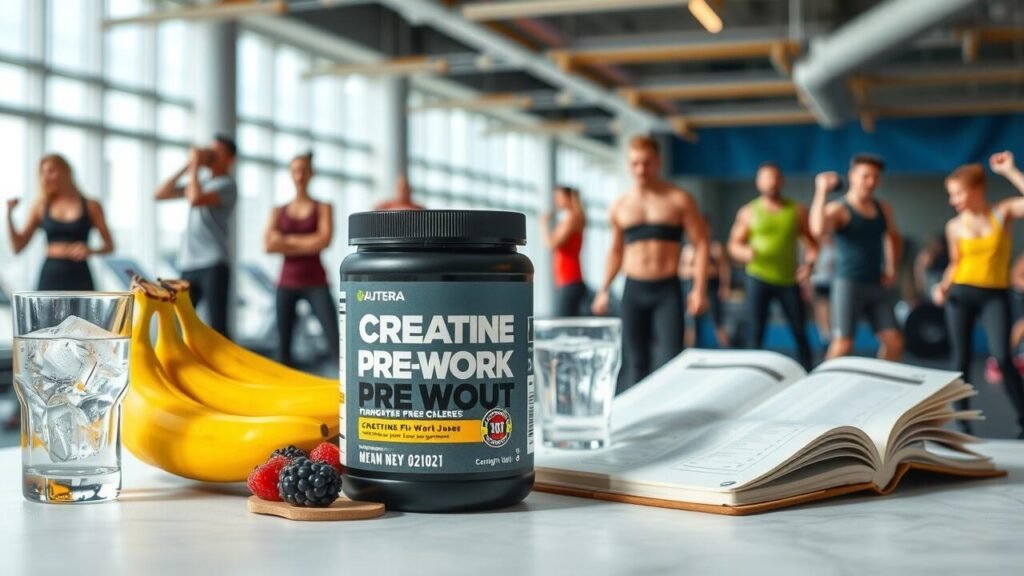
Bananas are a favorite choice among fitness enthusiasts. They provide a quick source of carbohydrates and are rich in potassium, which can help prevent muscle cramps during exercise. Another popular option is Greek yogurt, which offers a balance of protein and carbohydrates. This creamy snack not only fuels the body but also promotes muscle recovery post-workout.
Oatmeal is a great option for those looking to sustain energy levels during longer workouts. It releases carbohydrates steadily, ensuring a consistent influx of energy. Additionally, a slice of whole-grain bread topped with almond butter delivers healthy fats and protein while keeping hunger at bay. These snacks collectively offer a blend of nutrients that support performance and endurance in various physical activities.
Quick and Easy Options
When time is tight, opting for quick and easy snacks can ensure you get the energy boost needed before your workout. A banana is a classic choice, packed with easily digestible carbohydrates and potassium. Its natural sweetness provides instant fuel. Greek yogurt topped with a small handful of berries offers protein along with essential nutrients. This combination supports performance while keeping preparation simple.
Nut butter on whole-grain toast serves as another convenient option. The toast provides carbohydrates for energy, while the nut butter adds healthy fats and protein. Small portions of trail mix can be ideal as well; a mix of nuts and dried fruits delivers a quick, energy-dense snack. Even a simple protein shake made with water or milk can be consumed on the go, providing adequate sustenance without a lengthy prep time.
Portion Sizes to Consider
Finding the right portion size is essential for maximizing energy and performance during a workout. Generally, a small snack ranging from 100 to 200 calories is suitable for consumption about 30 minutes prior to exercising. This allows the body to digest the food and convert it into usable energy without feeling weighed down. The specific portion can vary depending on the individual’s body size, metabolism, and the intensity of the upcoming workout.
Listening to your body is crucial when determining what works best. Some individuals may feel comfortable with more significant portions, especially before longer or more intense exercises. Others may prefer sticking to the lower end of the calorie range. It’s essential to experiment with different foods and portion sizes to find a balance that fuels the body while avoiding any discomfort during physical activities.
How Much to Eat Before Exercising
The amount you should consume prior to exercising often depends on the intensity and duration of your workout, along with your individual energy needs. A general guideline suggests that a small snack containing about 100 to 200 calories is sufficient for most people. This could include options like a banana with peanut butter or a small yogurt. Such a snack can help fuel your workout without causing discomfort during physical activity.
Listening to your body can play a crucial role in determining portion sizes. If you prefer a higher-intensity workout or plan to engage in prolonged exercise, consider slightly increasing your pre-workout intake. A balance of carbohydrates and some protein is key for providing sustained energy. Adjusting your portion sizes based on personal experience will lead to better performance and help prevent fatigue.
Foods to Avoid Before Workouts
Certain foods can hinder workout performance and lead to discomfort during exercise. Heavy and fatty meals often take longer to digest and can cause feelings of sluggishness. Consuming items like greasy burgers or creamy sauces right before a workout can disrupt your energy levels.
High-sugar foods can also lead to a rapid spike in blood sugar followed by a crash, leaving you fatigued and unfocused. Snacks that are overly processed or rich in sodium can contribute to dehydration, which is detrimental to maintaining stamina throughout your routine. It’s best to steer clear of these foods to ensure optimal performance.
Heavy and Fatty Foods
Consuming heavy and fatty foods prior to a workout can hinder performance significantly. These types of foods take longer to digest, which may lead to feelings of sluggishness. When the body is focused on breaking down a complex meal, energy levels may drop, making exercise feel more challenging and less effective.
Additionally, high-fat meals can contribute to gastrointestinal discomfort during physical activity. The last thing anyone wants is to deal with bloating or cramping while trying to maintain an active routine. Opting for lighter, easily digestible snacks is a much better strategy for optimal energy and comfort during exercise.
FAQS
What are some popular pre-workout snacks I can eat 30 minutes before exercising?
Some popular pre-workout snacks include bananas, Greek yogurt, oatmeal with fruit, or a small protein bar. These options provide a good balance of carbohydrates and protein to fuel your workout.
How much should I eat 30 minutes before my workout?
It’s generally recommended to consume a small snack of about 100-200 calories 30 minutes before your workout. This should consist of easily digestible carbohydrates and some protein to give you energy.
Are there quick and easy options for pre-workout snacks?
Yes, quick and easy options include a piece of fruit like a banana or apple, a handful of nuts, a slice of whole-grain toast with peanut butter, or a low-fat yogurt. These snacks can be prepared quickly and provide the necessary energy.
What foods should I avoid eating before a workout?
It’s best to avoid heavy and fatty foods, as well as high-fiber items, before a workout. Foods like greasy fast food, heavy pastas, and large servings of red meat can cause discomfort during exercise.
Can I eat protein before my workout?
Yes, consuming a small amount of protein, such as a scoop of protein powder mixed with water or a small serving of Greek yogurt, can be beneficial, especially if you are doing strength training. However, it’s important to pair it with carbohydrates for optimal energy.
Related Links
best pre workout bar
What’s the best pre-workout bar?
Has anyone gone off Ozempic and kept weight off?