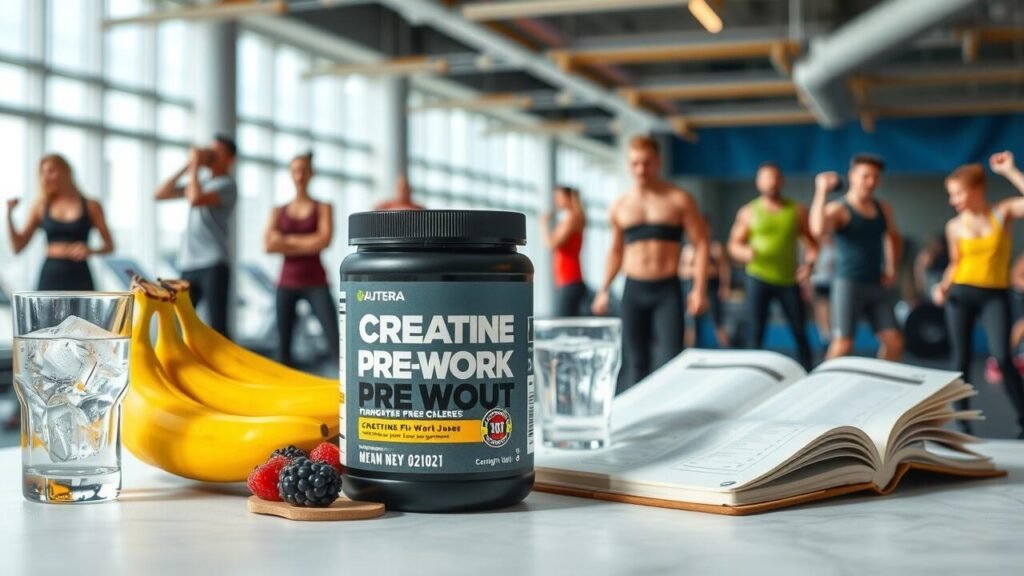
Safety Considerations for First-Time Users
Beginning any new supplementation routine requires caution, especially for those who are just starting their fitness journey. Many pre-workout supplements contain a variety of ingredients, some of which can be potent stimulants. It’s crucial to read labels carefully, noting both the list of ingredients and the dosages provided. Beginners should start with lower doses to assess tolerance. This approach allows for a gradual introduction to each ingredient, helping to identify any potential adverse reactions.
Another important aspect to consider is individual health conditions. Those with underlying medical issues or sensitivities should consult a healthcare provider before starting any pre-workout supplement. Certain ingredients may elevate blood pressure or cause heart palpitations, making it vital to prioritize personal safety. Staying hydrated and maintaining a balanced diet can also help mitigate some side effects that may arise from using these products.
Understanding Dosage and Side Effects
When starting with pre-workout supplements, it’s crucial to understand the appropriate dosage. Most products come with a recommended serving size, which typically varies depending on the formulation. Beginners should initiate their journey with the lowest dose to assess tolerance. Gradually increasing the dosage can help identify the optimal amount that enhances performance without causing discomfort.
Side effects can vary widely among individuals, influenced by factors such as sensitivity to caffeine or other ingredients. Common side effects include jitters, insomnia, and gastrointestinal distress. Monitoring how your body responds during workouts is essential. If adverse effects arise, adjusting the dosage or trying a different product may be necessary to find a better fit for your needs.
Timing Your Pre-Workout Intake
The timing of pre-workout supplements can significantly affect their efficacy and your workout experience. It is generally recommended to consume these products about 20 to 30 minutes before starting your exercise routine. This window allows the ingredients to begin taking effect, providing you with the energy and focus needed for a successful workout session. Individual preferences and metabolic rates may vary, which makes it important to monitor how your body responds to the timing.
Additionally, consider the type of exercise you plan to engage in. For high-intensity workouts, a slightly earlier intake might be beneficial, while strength training may only require the minimum recommended time. Experimenting with different timing options can help you find the optimal routine that aligns with your energy levels and performance goals. Adjusting your pre-workout timing may lead to improved results and a more enjoyable workout experience.
When to Take Pre-Workout Supplements
Timing plays a crucial role in maximizing the benefits of pre-workout supplements. It’s generally recommended to take them approximately 30 minutes to an hour before your workout. This timeframe allows the ingredients to enter your bloodstream, ensuring you feel the energy boost when you need it most during your exercise routine.
Individual preferences and sensitivities can vary significantly. Some users may find that taking a supplement too close to their workout causes discomfort. Others may prefer to start their sessions with an earlier intake to gauge how their body reacts. Experimenting with the timing can help you find the optimal moment to enhance your performance effectively.
Alternatives to Traditional Pre-Workout Supplements
Many individuals looking for a pre-workout boost may find that natural alternatives offer effective solutions without the potential side effects of traditional supplements. Foods high in carbohydrates, such as bananas or oats, can provide the necessary energy for workouts and are easy on the digestive system. Additionally, snacks containing protein, like Greek yogurt or nut butter, can help enhance muscle performance and recovery.
Herbal teas, particularly green tea or yerba mate, can be excellent choices for those seeking a gentle energy lift. These beverages contain natural caffeine and antioxidants, supporting both stamina and focus. Combining these options with proper hydration ensures optimal performance during workouts without the jittery feelings sometimes associated with synthetic pre-workout formulas.
Natural Energy Boosters
Many individuals seek natural energy boosters to enhance their performance without the potential side effects associated with commercial pre-workout supplements. Common options include caffeine from coffee or green tea, which not only provide a quick energy lift but also improve focus. B-vitamins found in whole grains and leafy greens play a crucial role in converting food into energy. These approaches deliver a more balanced energy boost and minimize the risk of jitters or crashes often linked to synthetic formulas.
Other popular natural boosters include beetroot juice and maca root, which are known for their ability to improve stamina and endurance. Beetroot juice contains nitrates that enhance blood flow and oxygen delivery during workouts, while maca root may help increase energy levels and balance hormonal activity. Consuming a banana or similar fruits can also offer immediate energy through their natural sugars and carbohydrates, making them a convenient choice before exercise. These alternatives can effectively prepare beginners physically and mentally for their fitness routines.
FAQS
What should beginners look for in a pre-workout supplement?
Beginners should look for options that contain a balanced blend of ingredients, such as caffeine for energy, beta-alanine for endurance, and B vitamins for metabolism support. It’s also important to choose products with transparent labeling and no proprietary blends to understand exactly what you’re consuming.
Are there any safety considerations for first-time users of pre-workout supplements?
Yes, beginners should start with a lower dosage to assess their tolerance, avoid taking pre-workout supplements too late in the day to prevent sleep disturbances, and consult a healthcare provider if they have any underlying health conditions or are taking other medications.
When is the best time to take a pre-workout supplement?
The best time to take a pre-workout supplement is typically 20 to 30 minutes before your workout. This allows the ingredients to take effect and provide the energy boost needed for your exercise routine.
What are some natural alternatives to traditional pre-workout supplements?
Some natural alternatives include foods like bananas for carbohydrates, oatmeal for sustained energy, or a small cup of coffee for a caffeine boost. Additionally, herbal teas and smoothies made with fruits and greens can also provide an energy boost without the use of supplements.
Can pre-workout supplements cause side effects?
Yes, some common side effects of pre-workout supplements can include jitters, increased heart rate, and digestive issues. It’s crucial for beginners to read product labels, start with a lower dose, and monitor their body’s response to avoid negative effects.
Related Links
best pre workout for women beginners
Should I use pre-workout as a beginner?
What pre-workout should women take?