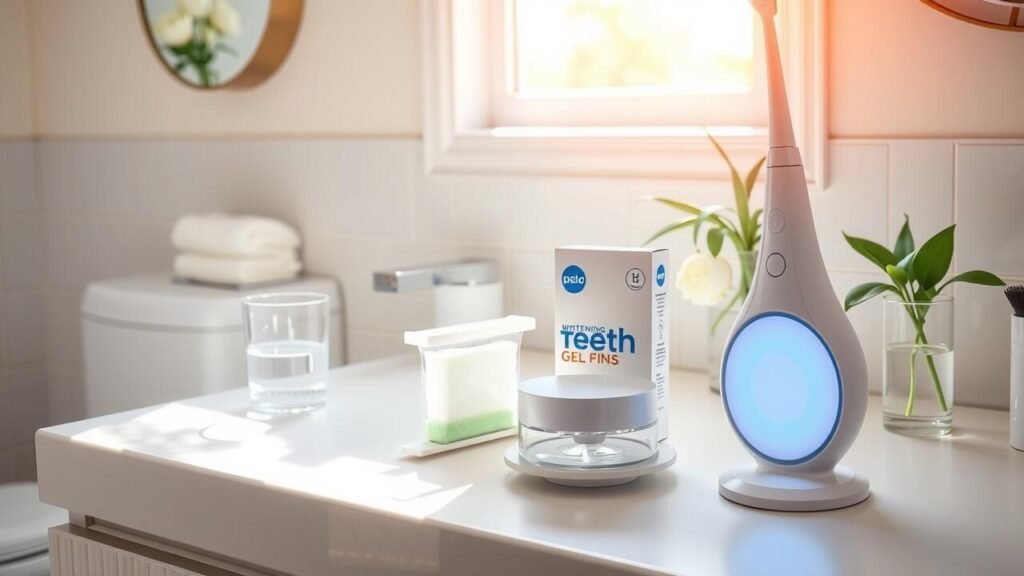
Proper Toothbrush Cleaning Techniques
Keeping your toothbrush clean is essential for maintaining oral hygiene, especially after a bout of illness. Rinse your toothbrush with hot water before and after each use to remove debris and bacteria. Store the toothbrush upright in a holder allowing it to air dry. Avoid covering the brush head as this can create a damp environment conducive to bacterial growth.
Disinfecting your toothbrush regularly can further enhance its cleanliness. Soaking the toothbrush in a solution of diluted hydrogen peroxide for a few minutes can help eliminate lingering germs. Alternatively, using a mouthwash containing antibacterial properties for a brief soak serves the same purpose. After disinfection, rinse the toothbrush thoroughly with water before use. These practices contribute significantly to reducing the risk of reinfection following a viral illness like norovirus.
Best Practices for Disinfecting Your Toothbrush
Disinfecting your toothbrush is essential, especially after a bout of norovirus. Rinsing your toothbrush thoroughly under hot water can help remove bacteria and viruses. Soaking it in a solution of equal parts vinegar and water for about 30 minutes can further enhance the cleaning process. After soaking, it is important to rinse the toothbrush well to eliminate any residual vinegar.
Another effective method is to use hydrogen peroxide or mouthwash with antibacterial properties. Simply submerging the brush in either solution for a few minutes can kill harmful pathogens. Ensuring that the toothbrush is stored in a dry area can also prevent the growth of bacteria. Regularly replacing your toothbrush every three months adds an additional layer of protection against germs.
Types of Toothbrushes to Consider
When choosing a toothbrush after recovering from norovirus, consider the type that best suits your needs. Manual toothbrushes are straightforward and effective. They come in various bristle types and sizes, allowing for personalization. An electric toothbrush may offer added benefits through built-in timers and varying speeds, which can enhance your cleaning routine. The choice often depends on personal preference and comfort.
Regardless of the brush type, ensure it has soft bristles to protect gum health. Look for products that have antimicrobial properties if possible, as they can further reduce the risk of bacteria buildup. Opt for brushes with replaceable heads to maintain hygiene and extend the lifespan of the device. Being informed about the options available can help in making a choice that aids recovery and promotes oral health.
Manual vs Electric Brushes
When considering toothbrush options after recovering from norovirus, both manual and electric brushes have their pros and cons. Manual brushes are often more affordable and widely accessible. They do not require batteries or charging, making them convenient for travel. However, users must apply the right technique and pressure to achieve effective cleaning.
Electric toothbrushes, on the other hand, can provide a superior cleaning experience due to their consistent brushing action. Many models come with timers and pressure sensors to help ensure proper use. While they may require an investment, their ease of use may encourage better oral hygiene practices, especially in those who are recovering from illness and need to be extra cautious.
Additional Hygiene Measures
Maintaining good hygiene after recovering from norovirus is crucial for preventing further illness. Regularly washing hands with soap and water remains one of the most effective ways to minimize the risk of spreading the virus. It’s recommended to wash hands before meals, after using the restroom, and after coming into contact with potentially contaminated surfaces. Alcohol-based hand sanitizers can be a good alternative when soap and water are unavailable, although they should not replace handwashing when possible.
Disinfecting common areas in your home is equally important. This includes frequently touched surfaces such as doorknobs, faucets, and light switches. Using a bleach solution or another appropriate disinfectant can help eliminate any lingering viruses. Additionally, consider washing bed linens, towels, and any clothing that may have been exposed during the illness. These proactive steps contribute to a healthier environment as you recover and help to protect those around you.
Other Steps to Take After Recovering from Norovirus
After recovering from norovirus, it’s essential to prioritize thorough hygiene practices beyond just toothbrush management. Regularly disinfecting commonly touched surfaces can help prevent the spread of any remaining viruses. Pay special attention to bathroom fixtures, light switches, and frequently used electronics. Using a disinfectant approved for effectiveness against norovirus ensures that these areas remain safe and hygienic.
Maintaining good hand hygiene is equally crucial during the recovery phase. Wash hands frequently with soap and water, especially before eating or preparing food. Using alcohol-based hand sanitizers can be beneficial when soap is not available. Encourage family members to follow similar practices to minimize the risk of transmission and support a safe post-illness environment.
FAQS
Should I replace my toothbrush after recovering from norovirus?
Yes, it is recommended to replace your toothbrush after recovering from norovirus to prevent any potential re-infection.
How can I properly clean my toothbrush if I choose not to replace it?
You can clean your toothbrush by soaking it in a disinfectant solution, such as diluted bleach or mouthwash, for several minutes. Rinse thoroughly after disinfecting.
Is there a difference between manual and electric toothbrushes in terms of hygiene after illness?
Both manual and electric toothbrushes can be effective, but electric toothbrushes may offer better cleaning benefits. Regardless, replacing or properly disinfecting either type is important after illness.
What are some additional hygiene measures I should take after recovering from norovirus?
Besides replacing your toothbrush, make sure to wash your hands frequently, disinfect surfaces, and avoid sharing personal items to limit the risk of spreading the virus.
How often should I replace my toothbrush in general?
It is advisable to replace your toothbrush every three to four months, or sooner if the bristles become frayed or after recovering from an illness.
Related Links
best toothbrush for whitening teeth
What toothbrush is best for whitening teeth?
Which toothbrush is best for yellow teeth?