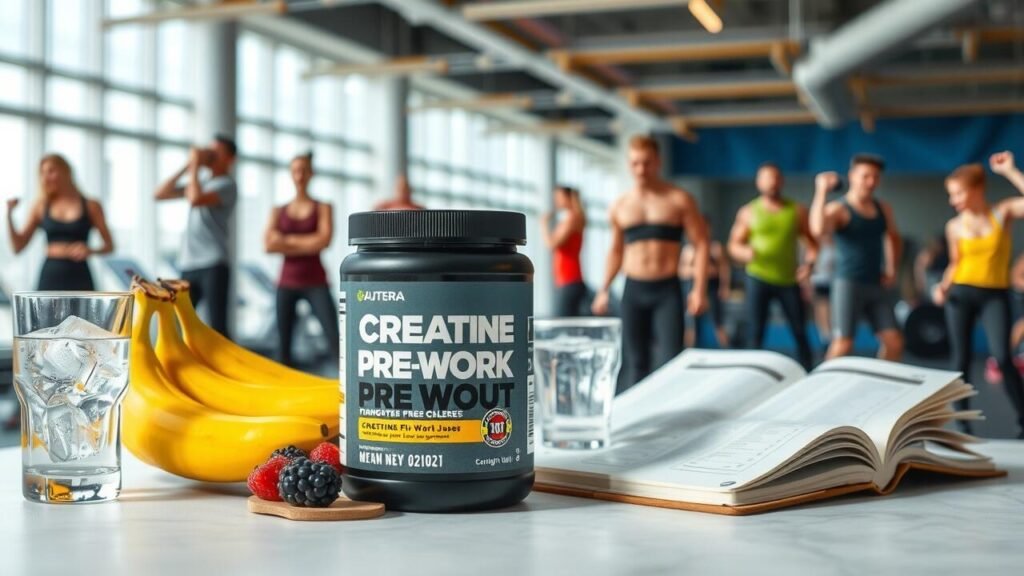
Hydration and Its Importance
Adequate hydration is a fundamental aspect of overall health, especially for those engaging in physical activities. Water plays a vital role in regulating body temperature, lubricating joints, and facilitating the transport of nutrients. When the body is well-hydrated, it can perform optimally during workouts, resulting in enhanced endurance and reduced fatigue. Failure to maintain proper hydration levels can lead to a decrease in performance and an increased risk of injuries.
The body loses fluids through sweat, breathing, and even during rest. Replenishing these fluids is essential not only before and during exercise but also afterward to aid recovery. Individuals engaging in intense workouts may require extra attention to their hydration habits, as even mild dehydration can impair athletic performance. Finding the right balance and making hydration a priority can contribute significantly to achieving fitness goals and maintaining long-term well-being.
The Link Between Hydration and Workout Performance
Proper hydration is essential for optimal workout performance. Water facilitates key processes within the body, including temperature regulation and nutrient transport. Even mild dehydration can lead to decreased endurance, strength, and overall performance levels, impacting how effectively one can complete workouts. Ensuring adequate fluid intake before, during, and after exercise helps maintain energy levels and supports recovery.
Electrolytes also play a vital role in hydration during physical activity. They help maintain fluid balance and muscle function, which is crucial during intense exercise. An imbalance may lead to muscle cramps or fatigue. In workouts that last longer than an hour, drinks that contain electrolytes can be particularly beneficial, enhancing hydration and supporting sustained performance.
Homemade vs. Store-Bought Pre-Workout Options
When it comes to pre-workout options, both homemade and store-bought varieties have their unique advantages. Homemade pre-workouts allow for customization, enabling individuals to tailor ingredients to their specific needs and preferences. Common components such as fruits, natural sweeteners, and energy-boosting supplements can enhance both flavor and nutrient content. The ability to control what goes into each drink may also alleviate concerns about additives and artificial ingredients.
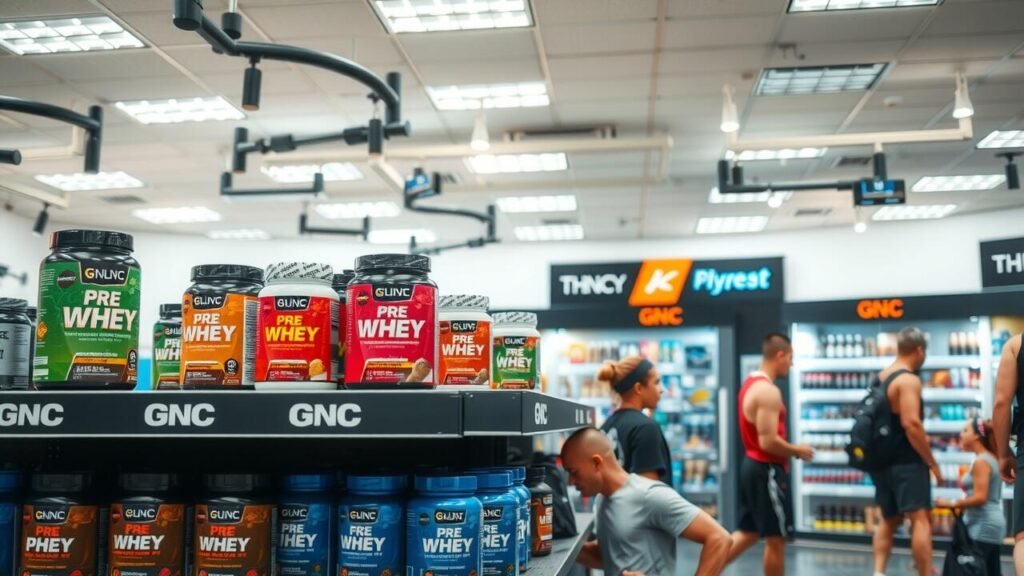
On the other hand, store-bought pre-workout drinks offer convenience and often come with scientifically formulated blends designed to maximize performance. These products frequently contain a variety of ingredients that might be difficult to source or combine at home. However, the trade-off may include higher costs and the potential for unwanted additives. Evaluating the ingredients and nutritional information can help consumers make informed decisions about which option best aligns with their fitness goals and dietary preferences.
Pros and Cons of Each Choice
Homemade pre-workout drinks offer the advantage of full control over ingredients. This allows individuals to tailor their beverages to specific dietary needs and preferences, enhancing flavors and nutritional profiles according to personal taste. Additionally, homemade options tend to be more cost-effective in the long run since they avoid the markup associated with store-bought products.
On the other hand, store-bought pre-workout drinks provide convenience and guaranteed consistency in formulation. They often contain a precise blend of performance-enhancing ingredients like caffeine, amino acids, and electrolytes, which can save time on preparation. However, many commercial options include artificial additives and sugars that may not resonate well with everyone’s health goals.
Potential Side Effects
Many individuals may experience side effects from pre-workout drinks, which can vary in intensity based on personal tolerance and the specific ingredients involved. Common reactions include jitters, increased heart rate, and digestive discomfort. These effects often stem from stimulants like caffeine and artificial additives, which can be harsh on sensitive systems. For some, the heightened energy can lead to anxiety and restlessness, impacting focus during workouts.
It’s also essential to consider how one reacts to specific ingredients such as beta-alanine or creatine. While these substances can enhance performance, they may lead to sensations of tingling or flushing, known as paresthesia, especially at higher doses. Users are advised to start with lower doses to gauge their reactions. Staying well-hydrated and monitoring the body’s response can help mitigate some of these adverse effects, allowing for a more comfortable workout experience.
Common Reactions and How to Mitigate Them
Consuming pre-workout drinks can lead to various side effects, with some individuals experiencing jitters, nausea, or digestive discomfort. These reactions are often linked to high caffeine content or other stimulants in the formulations. For those sensitive to these ingredients, opting for a lower-caffeine option or timing the intake of the drink well before exercising can help reduce these adverse effects. Staying attuned to one’s body and monitoring how it responds to different ingredients is crucial for finding a suitable pre-workout option.
Additionally, it is important to consider the balance of electrolytes and sugars present in pre-workout drinks. Some may contain excessive amounts of sugar, leading to energy crashes post-exercise. To mitigate this, individuals can look for formulas that provide a more balanced nutritional profile or prepare homemade versions using natural ingredients such as fruits, which can enhance energy without the added sugars. Listening to your body and making adjustments can lead to improved workout efficiency and overall satisfaction with the pre-workout experience.
FAQS
What is the best pre-workout drink to have?
The best pre-workout drink varies by individual preferences and needs, but generally, a drink that includes carbohydrates for energy, electrolytes for hydration, and possibly some caffeine for increased focus and performance is recommended.
How important is hydration before a workout?
Hydration is crucial before a workout as it helps maintain optimal physical performance, prevents fatigue, and reduces the risk of injury. Staying well-hydrated can enhance endurance and strength during exercise.
Are homemade pre-workout drinks better than store-bought options?
Homemade pre-workout drinks can be tailored to your specific needs and often contain fewer additives than store-bought options. However, store-bought drinks are convenient and may contain formulated ingredients that can enhance performance.
What are common side effects of pre-workout drinks?
Common side effects can include jitters, increased heart rate, digestive issues, or insomnia, mainly due to caffeine and other stimulants. It’s important to start with a smaller dose to assess your tolerance.
How can I mitigate the side effects of pre-workout drinks?
To mitigate side effects, consider adjusting the dosage, avoiding high-stimulant ingredients, staying well-hydrated, and consuming pre-workout drinks at least 30 minutes before exercise to allow your body to adjust.
Related Links
best ready to drink pre workout
What are 10 warning signs of high cortisol?
What to Look for in a Ready-to-Drink Pre-Workout