Role of Carbohydrates in Workouts
Carbohydrates serve as the primary source of energy for the body during exercise. When consumed, they are broken down into glucose, which fuels muscle activity and stamina. For those aiming to build muscle, maintaining high energy levels is crucial. If the body lacks sufficient carbohydrates, it may turn to protein as an energy source, potentially hindering muscle growth and recovery.
Timing and type of carbohydrate intake can significantly affect workout performance. Simple carbohydrates, such as fruits or sports drinks, are ideal for quick energy prior to a workout. Complex carbohydrates, found in whole grains and legumes, provide a steady energy release, making them suitable when consumed a few hours before exercise. Selecting the right carbohydrate sources can help optimize workout intensity and endurance, ultimately supporting muscle-building efforts.
Enhancing Energy and Endurance
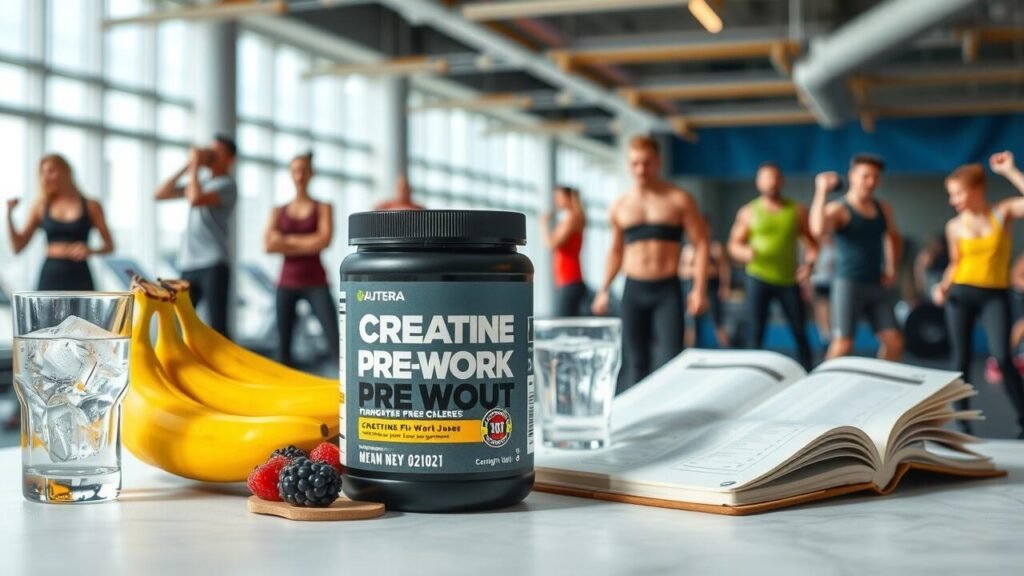
Carbohydrates serve as a primary source of energy for the body during intense workouts. Consuming carbohydrates before exercising ensures that glycogen stores are replenished. These stores provide the fuel needed for both endurance and strength activities, allowing for better performance and reduced fatigue. Foods such as bananas, oatmeal, and whole-grain bread offer quick-digesting carbs that can be easily converted into energy.
Incorporating an appropriate amount of carbs into your pre-workout meal or snack can enhance overall stamina. This is especially important for activities that demand sustained effort, such as running or weightlifting. Pairing carbohydrates with a small amount of protein may further support muscle repair and growth. Finding the right balance ultimately provides the energy needed to push through demanding workouts and achieve fitness goals.
Hydration and Its Impact
Staying properly hydrated is crucial for optimal performance during workouts. Water regulates body temperature and lubricates joints, which are both essential for maintaining endurance and strength. Dehydration can lead to fatigue, reduced stamina, and decreased coordination, ultimately hindering one’s ability to build muscle and achieve fitness goals. Even a small decrease in fluid levels can impact performance, making it vital to drink enough fluids before exercising.
The timing of hydration is significant as well. It’s advisable to drink water in the hours leading up to a workout, rather than waiting until right before starting. This approach ensures the body is adequately prepared and can function at its best. Sports drinks may also be beneficial for those engaging in prolonged or high-intensity exercise, as they can replenish electrolytes lost through sweat. Understanding one’s hydration needs can make a meaningful difference in workout efficiency and overall progress in muscle building.
Why Staying Hydrated Matters
Proper hydration plays a crucial role in optimizing physical performance. Even mild dehydration can hinder endurance, strength, and overall workout efficiency. Water facilitates numerous bodily functions during exercise, including temperature regulation and nutrient transport. It’s essential to maintain fluid levels for effective muscle contractions and to avoid fatigue.
Increased sweating during workouts further emphasizes the need for adequate hydration. When the body loses fluids, it can lead to decreased muscle volume and even minor disruptions in muscle function. Staying well-hydrated helps minimize the risk of cramps and injuries, enhancing overall workout experience. Prioritizing fluid intake before, during, and after exercise ensures that performance remains at its peak.
Pre-Workout Snacks vs. Meals
Choosing between a pre-workout snack and a full meal depends on several factors, including workout intensity and timing. Snacks are typically lighter options that can be consumed about 30 to 60 minutes before exercising. These may include a banana with peanut butter, yogurt, or a protein bar, providing a quick source of energy without making you feel sluggish.
In contrast, a meal should be consumed two to three hours before a workout, offering a balanced mix of carbohydrates, proteins, and healthy fats. A meal like grilled chicken with quinoa and veggies can adequately fuel a longer workout session. It helps in sustaining energy levels and assists with not only performance but also recovery after exercising. The key lies in timing and personal preference, ensuring you feel comfortable and energized for your session.
When to Choose Each Option
Timing is a crucial factor when deciding between pre-workout snacks and full meals. If your workout is scheduled for within an hour or so, a light snack is ideal. Something like a banana or a small protein bar can provide quick energy without causing discomfort during your exercise.
For workouts planned several hours later, a balanced meal can offer sustained energy. Focus on incorporating proteins, carbohydrates, and healthy fats for optimal results. A meal composed of chicken, brown rice, and vegetables, for example, can provide the necessary nutrients and energy reserves needed for a more intense workout session.
FAQS
What types of carbohydrates are best to consume before a workout?
Complex carbohydrates, such as whole grains, oats, and fruits, are ideal as they provide sustained energy for your workout.
How long before my workout should I eat?
It’s generally recommended to eat a meal 2-3 hours prior to your workout or a snack about 30-60 minutes before exercising.
Should I focus more on protein or carbohydrates before working out?
Carbohydrates should be your primary focus before a workout for energy, but including a moderate amount of protein can help with muscle repair and growth.
Do I need to hydrate before working out, and if so, how much?
Yes, staying hydrated is crucial. Aim to drink about 16-20 ounces of water at least 1-2 hours before your workout.
What are some good pre-workout snack options?
Good pre-workout snacks include a banana with peanut butter, Greek yogurt with fruit, or a small bowl of oatmeal.
Related Links
best pre workout meal for muscle gain
What is the best pre-workout food for muscle gain?
Can I build muscle while on zepbound?