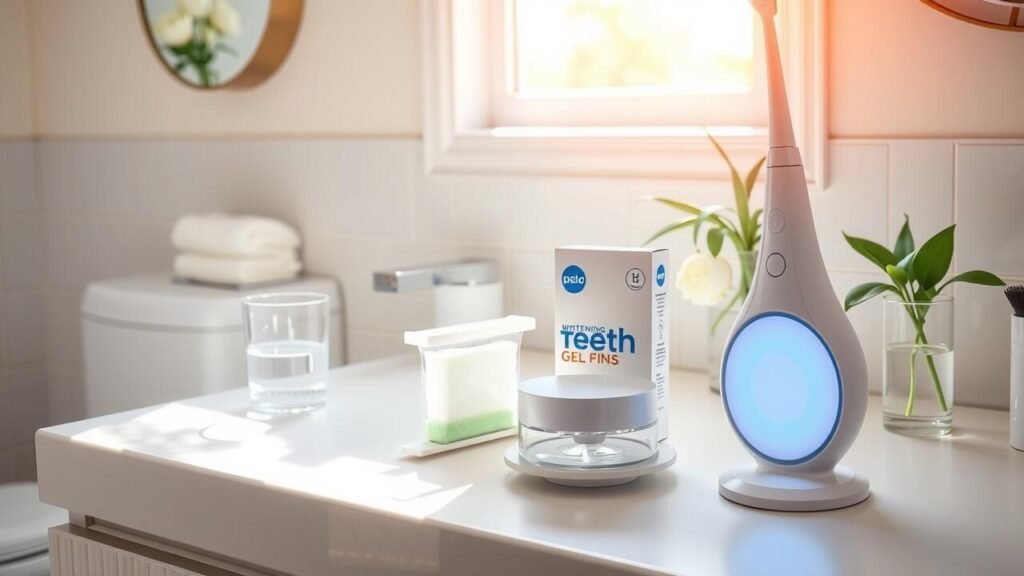
LED Whitening Kits
LED whitening kits have gained popularity due to their convenience and effectiveness. These kits typically come with a whitening gel and a light device that enhances the whitening process. Users apply the gel to their teeth and activate the LED light for a specified duration. The combination of the gel’s active ingredients and light technology aims to break down stains and brighten the enamel.
Many users appreciate the ease of DIY teeth whitening at home. The kits are often designed to be user-friendly, allowing individuals to achieve results without needing professional dental interventions. However, results can vary based on the initial shade of the teeth and adherence to the instructions provided. Regular use can yield noticeable improvements, making LED whitening kits a popular choice for those seeking brighter smiles.
Technology Behind the Light Activation
Light activation technology has gained popularity in recent years for teeth whitening. This method typically involves using a specialized LED light to enhance the effects of whitening gels that contain hydrogen peroxide or carbamide peroxide. When the light interacts with these bleaching agents, it accelerates the chemical reactions that break down stains on the tooth surface. This can lead to faster results compared to traditional whitening methods.
The process relies on specific wavelengths of light to create heat and stimulate the whitening agents more effectively. Some systems also include red or blue light, each with varying intensities that may target different types of stains. The blend of light and gel facilitates deeper penetration into the tooth enamel, helping to achieve a brighter smile in a fraction of the time compared to other approaches.
Natural Remedies for Teeth Whitening
Many individuals seek alternative methods to whiten their teeth using natural remedies. Ingredients such as baking soda, coconut oil, and apple cider vinegar have gained popularity due to their potential whitening effects. Baking soda acts as a mild abrasive, helping to remove surface stains. Coconut oil, often used in oil pulling, may reduce bacteria in the mouth and contribute to a brighter smile.
Charcoal is another ingredient that is frequently highlighted for its purported teeth whitening benefits. Activated charcoal can absorb toxins and stains, leading to a cleaner appearance. However, its abrasive nature raises concerns about enamel erosion if used excessively. While these remedies can be effective for some, individual results may vary, making it essential to consider personal oral health before trying them.
Popular Ingredients and Their Efficacy
Various natural ingredients are commonly used in teeth whitening products, each boasting specific properties that may enhance their effectiveness. Baking soda acts as a mild abrasive, helping to scrub away surface stains. Hydrogen peroxide is another frequent component, functioning as a bleaching agent that penetrates enamel and can effectively lighten discolored teeth. Coconut oil is praised for its antibacterial properties and is often utilized in oil pulling, a method believed to naturally whiten teeth while improving oral health.
Activated charcoal has gained popularity for its adsorptive qualities, which can bind to toxins and stains on teeth, potentially leading to a brighter smile. Additionally, fruit acids found in citrus fruits and strawberries are sometimes included in DIY whitening solutions due to their natural enzymatic action. However, while many people report positive results with these ingredients, the scientific evidence supporting their efficacy varies. Moderation and awareness of potential enamel damage are essential when using some of these natural remedies.
Safety Considerations
When considering teeth whitening products, it is essential to evaluate their safety profile. Most over-the-counter whitening kits contain bleaching agents like hydrogen peroxide or carbamide peroxide, which can cause sensitivity in some individuals. It’s important to follow the manufacturer’s instructions carefully to minimize potential risks. Consulting with a dentist prior to starting any whitening regimen can also help identify safe options tailored to individual needs.
Certain natural remedies, while perceived as gentler, can also have adverse effects on dental health. Ingredients such as baking soda or vinegar, when used excessively, may erode enamel or irritate gums. Maintaining a balanced approach to whitening, whether using commercial products or home remedies, can help prevent harm to both teeth and soft tissues in the mouth. Regular dental check-ups should accompany any whitening efforts for better monitoring of oral health.
Potential Side Effects of Whitening Products
Many individuals experience varying degrees of sensitivity after using whitening products. This discomfort can manifest as a heightened sensitivity to temperature or pressure. Such sensations typically resolve on their own but may deter some users from continuing with their whitening regimen. Overuse of certain products can exacerbate these issues, leading to prolonged sensitivity or even pain.
In addition to sensitivity, there is the potential for adverse reactions in some users. Gum irritation can occur, especially if the product comes into direct contact with soft tissues. This irritation may present as redness or swelling. Long-term use of aggressive whitening agents can also lead to enamel erosion, increasing vulnerability to decay and discoloration. Careful consideration of product ingredients and adherence to usage guidelines is crucial to minimize these risks.
FAQS
What are LED whitening kits and how do they work?
LED whitening kits use light activation to enhance the whitening process. The LED light activates the whitening gel applied to the teeth, helping to break down stains and achieve a brighter smile more effectively than using the gel alone.
Are natural remedies for teeth whitening effective?
Natural remedies can provide some degree of whitening, but their effectiveness varies. Ingredients like baking soda, activated charcoal, and hydrogen peroxide can help reduce surface stains, but they may not deliver the same results as professional treatments or commercial whitening products.
What safety considerations should I keep in mind when using teeth whitening products?
It’s essential to follow the instructions provided with whitening products and consult with a dentist, especially if you have sensitive teeth or gum issues. Overuse or improper application can lead to tooth sensitivity and gum irritation.
What are some potential side effects of teeth whitening products?
Common side effects include tooth sensitivity, gum irritation, and sometimes an uneven whitening effect. If you experience severe discomfort or prolonged sensitivity, it’s best to discontinue use and seek advice from a dental professional.
How long do the effects of teeth whitening last?
The longevity of teeth whitening results varies based on the method used and individual habits. Typically, whitening effects from professional treatments can last from six months to two years, while at-home kits may last a few months depending on diet and oral hygiene.
Related Links
best teeth whitening products
Can yellow teeth become white again?
Can yellow teeth really be whitened?