Key Takeaways
- Grasping Cognitive Wellness
- Optimal Nutrition for Cognitive Wellness
- Eating Habits Beneficial for Cognitive Function
- Meal Preparation for Cognitive Wellness
- Lifestyle Elements Affecting Cognitive Health
Understanding Brain Health
Cognitive function is heavily influenced by nutrition, making it essential to consider the best diet for brain health. A well-balanced diet that includes a variety of nutrients contributes significantly to mental clarity and overall brain performance. The MIND diet, a fusion of the Mediterranean and DASH diets, emphasizes foods that support cognitive longevity, showcasing the importance of healthy eating habits. Research from the Academy of Nutrition and Dietetics highlights how certain healthy dietary patterns can enhance brain function and reduce the risk of cognitive decline. Following healthy diets rich in antioxidants, omega-3 fatty acids, and whole grains can facilitate optimal brain function, underscoring the importance of eating healthy for long-term cognitive benefits.
Importance of Nutrition for Cognitive Function
Nutrition plays a crucial role in cognitive function and overall brain health. A balanced diet rich in essential nutrients can significantly enhance mental clarity and memory. Nutritionists often recommend dietary approaches like the DASH diet and the Mediterranean diet for their health benefits. These healthy eating patterns emphasize whole foods, fruits, vegetables, and healthy fats while reducing the intake of fried foods and sugary snacks. Following the best diet for brain health can lead to improved cognitive performance and a reduced risk of neurodegenerative diseases.
Eating healthier not only impacts physical health but also influences brain function. A focus on fatty fish, leafy greens, nuts, and whole grains supports brain vitality. Incorporating more of these foods into daily meals encourages a healthy lifestyle that benefits both mind and body. Food and nutrition play a pivotal role in maintaining cognitive abilities as we age, making it essential to adopt diets like the DASH diet or Mediterranean diet for optimal brain health. Prioritizing these dietary choices can foster better mental acuity and emotional wellbeing.
Key Nutrients for a Healthy Brain
A well-rounded diet rich in essential nutrients is crucial for maintaining optimal brain function. Consulting a registered dietitian can help tailor food choices that support brain health, emphasizing the importance of omega-3 fatty acids and vitamin E. These nutrients play vital roles in protecting brain tissue and promoting cognitive performance. Incorporating healthy cooking fats like olive oil into your meals can further enhance the nutritional value of your diet, making it one of the best diets for brain health.
Snack foods can also be a great opportunity to boost nutrient intake. Foods such as nuts, seeds, and berries are packed with antioxidants and healthy fats, aiding in brain aging and overall cognitive function. Regular brain scans show that dietary habits greatly influence brain structure and activity. Making conscious food choices can lead to significant improvements in brain health and longevity, ensuring that you are well-equipped to support cognitive vitality as you age.
| Nutrient | Food Sources | Benefits for Brain Health |
|---|---|---|
| Omega-3 Fatty Acids | Fatty fish, walnuts, flaxseeds | Supports cognitive function and protects brain tissue |
| Vitamin E | Nuts, seeds, spinach, broccoli | Acts as an antioxidant and may reduce cognitive decline |
| Antioxidants | Berries, dark chocolate, green tea | Protects brain cells from oxidative stress |
| Flavonoids | Fruits, vegetables, tea | Enhances blood flow to the brain, improving mental performance |
The Best Diet for Brain Health
A well-crafted diet plays a crucial role in supporting brain health and function. The best diet for brain health emphasizes whole foods rich in vitamins, antioxidants, and healthy fatty acids. Notably, omega-3 fatty acids are essential for maintaining brain cell integrity and enhancing metabolism. Incorporating sources of monounsaturated fatty acids, such as avocados and nuts, can further benefit cognitive function. Conversely, fried food and highly processed options can hinder gut health, negatively impacting overall brain performance. Structuring meals around these principles can help individuals focus on nourishing their brains and maintaining optimal mental clarity.
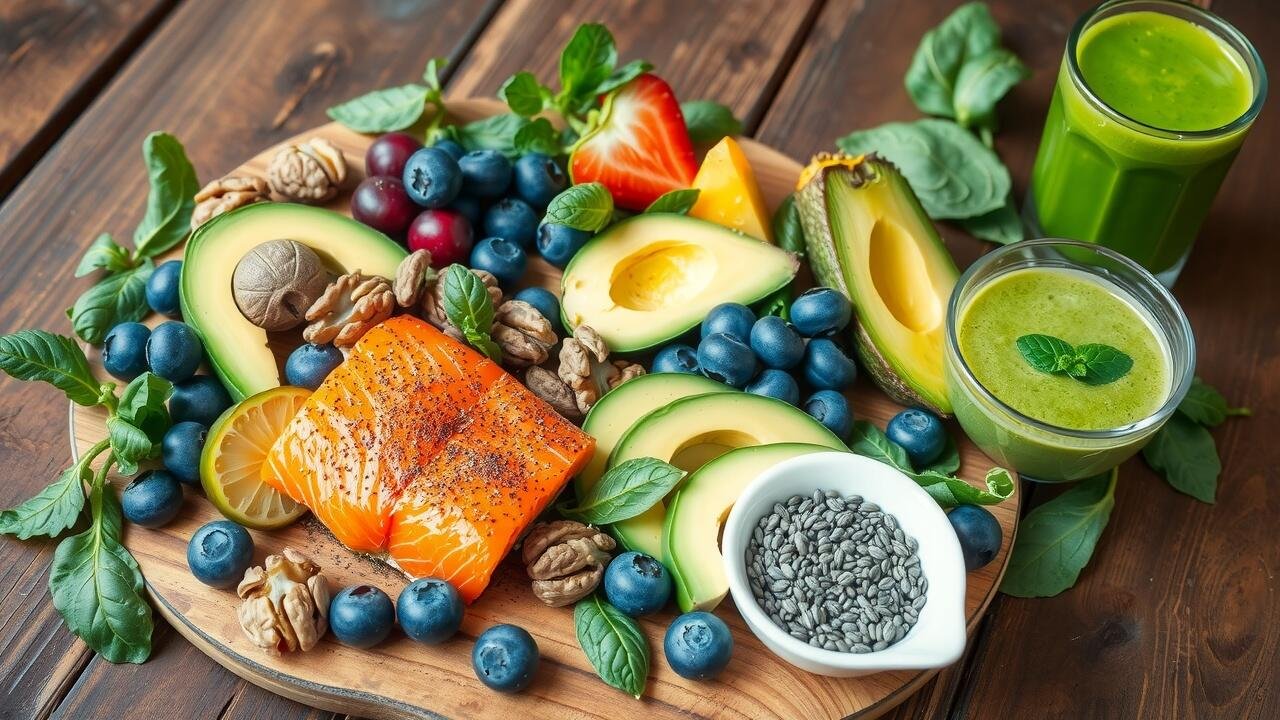
Top Foods to Include in a Brain-Healthy Diet
A brain-healthy diet is essential for maintaining good brain health throughout life. Research in brain nutrition has identified various brain-friendly foods that provide critical nutrients. Fatty fish, such as salmon and mackerel, are rich in omega-3 fatty acids, which have been linked to improved brain function and cognitive health. Leafy greens and berries are staples of the mind diet, packed with antioxidants and vitamins that support brain health. Incorporating these foods into your daily meals can contribute to a better cognitive profile and bolster brain health over time.
Whole grains and nuts also play a significant role in a brain-healthy diet. Whole grains like oats and quinoa provide a steady supply of glucose, which is crucial for brain energy. Nuts, particularly walnuts, are loaded with brain-healthy nutrients that can enhance memory function. Brain imaging studies have shown that individuals who adhere to diets rich in these brain foods often experience better cognitive outcomes. Opting for these nutritious options can foster better mental clarity and concentration, ultimately supporting brain health and fortifying cognitive resilience.
Foods to Avoid for Optimal Brain Function
Maintaining a healthy brain requires not only incorporating brain-boosting foods but also avoiding those that can hinder cognitive function. Diet recommendations highlight the importance of steering clear of processed sugars and unhealthy fats, as they can detract from optimal brain health today. The best diet for brain health focuses on providing the right brain-boosting nutrients. Consuming foods high in trans fats or excessive sugars goes against the principles of a mind-style diet, which aims to promote mental sharpness and overall cognitive well-being.
Certain dietary patterns, such as the calorie-restricted mind diet, emphasize eliminating specific foods that negatively impact brain function. Foods laden with additives, refined carbohydrates, and high levels of saturated fats are often considered “diet don.” These elements can lead to inflammation and oxidative stress, ultimately impairing cognitive abilities. Prioritizing a diet that features whole, nutrient-dense options encourages better brain health and supports the goal of achieving the best diet for brain health.
Brain-Healthy Eating Patterns
Exploring brain-healthy eating patterns reveals a variety of dietary choices that support optimal cognitive function. The Mediterranean diet, a well-established diet, emphasizes whole foods rich in brain-boosting ingredients and incorporates heart-healthy fats. Similarly, the DASH diet focuses on nutrient-dense foods and has been shown to enhance brain health. For those seeking the best diet for brain health, the MIND diet combines elements of both the Mediterranean and DASH diets, making it an appealing option. A combination diet that limits processed foods and sugars can further support cognitive function. Working with a dietitian can help individuals create personalized meal plans that align with these popular diets while ensuring dietary choices nourish both the body and the mind.
The Mediterranean Diet and Its Benefits
The Mediterranean diet is widely regarded as one of the best diets for brain health, emphasizing a balance of healthy foods that promote cognitive function. This dietary pattern incorporates a variety of fruits, vegetables, whole grains, and healthy fats, which support the creation and maintenance of healthy brain cells. Regularly consuming these healthful food choices fosters optimal nutrition that can contribute to long-term brain health. By focusing on balanced nutrition and dietary approaches that prioritize fat intake from sources like olive oil and fatty fish, individuals can enhance their overall cognitive wellness.
Embracing this eating pattern can lead to improved brain function and memory, making it an ideal choice for those concerned about their cognitive health. Healthy meals rich in antioxidants and omega-3 fatty acids are essential for meeting nutritional needs. The Mediterranean diet encourages a lifestyle that includes fresh produce and lean proteins, aligned with the concept of healthy eating patterns. Adopting such a diet not only satisfies immediate dietary preferences but also establishes a foundation for sustained brain vitality.
The Role of Omega-3 Fatty Acids
Omega-3 fatty acids are essential components of a brain-boosting diet, contributing significantly to improved brain function. These healthy fats are crucial for maintaining the structure of brain cell membranes and supporting cognitive health. Nutrition practitioners often recommend incorporating omega-3s into the best diet for brain health. A heart-healthy eating pattern that merges foods like fatty fish, walnuts, and flaxseeds can enhance your eating habits. Keeping a diet tracker PDF can help individuals monitor their intake of these vital nutrients, ensuring they meet their dietary goals.
Including omega-3 fatty acids in your meals can also lead to better brain work and overall mental clarity. Health recipes featuring salmon or avocado not only provide delicious options but also contribute to a balanced intake of healthy fats. By focusing on a nutrition plan rich in omega-3s, individuals can foster a lifestyle that prioritizes brain health. Combining these elements into your daily routine will help pave the way for cognitive longevity.
- Omega-3s support heart health by reducing inflammation and lowering blood pressure.
- Foods rich in omega-3s include mackerel, sardines, and chia seeds.
- Regular consumption of omega-3 fatty acids may help reduce symptoms of anxiety and depression.
- Omega-3s are linked to improved memory and overall cognitive function as we age.
- Incorporating omega-3 supplements can be beneficial for those who do not consume fish regularly.
- A balanced diet with adequate omega-3s can promote better sleep quality.
- Studies suggest that omega-3s may play a role in reducing the risk of Alzheimer’s disease.
Meal Planning for Brain Health
Meal planning plays a crucial role in achieving the best diet for brain health. By focusing on mindful food choices, individuals can craft eating plans that support cognitive health and enhance overall health. Daily meals should incorporate certain nutrients known to benefit a normal brain function, such as antioxidants, vitamins, and healthy fats. Using a primary cooking fat like olive oil can add essential nutrients while promoting a balanced intake. Reliable and credible nutrition information is vital for selecting foods that nourish the brain. With careful planning, individuals can effectively integrate these brain-boosting foods into their diets, ultimately fostering better cognitive performance and good health throughout life.

Sample Meal Ideas for Brain-Healthy Eating
Creating meals that support cognitive function involves selecting the right food choices rich in nutrients. The best diet for brain health includes a variety of nutrient-dense foods such as leafy greens, colorful vegetables, and whole grains. Incorporating elements of the DASH eating plan can be beneficial, emphasizing the reduction of unhealthy fats and sugars. This not only enhances brain-making capabilities but also fosters a healthy gut, highlighting the gut-brain connection that influences overall mental well-being.
Opt for breakfast ideas like oatmeal topped with berries and nuts, providing many nutrients to fuel your day. For lunch, a quinoa salad with mixed vegetables and a source of omega-3 fatty acids can be a delicious way to stay on track with the best diet for brain health. Snacking can be healthy as well; choose fruits or yogurt over processed snack foods or sugary snacks. These meal ideas reinforce the importance of nutrient-rich foods in supporting cognitive function and overall brain health.
Tips for Incorporating Brain-Boosting Foods into Your Diet
Incorporating brain-boosting foods into your routine can be seamless with thoughtful adjustments to your daily meals. A 7-day meal plan can serve as a guide to create a balanced diet filled with fatty fish, which are high in omega-3 fatty acids. These nutrients are crucial for maintaining brain tissue volume and supporting cognitive function. Opting for healthier cooking oil, such as olive oil, can replace processed options while ensuring you retain the benefits of certain vitamins essential for brain health. Eliminating sugary snacks in favor of fruits and nuts can aid in establishing healthier habits that enhance your overall mental well-being.
Nutrient-dense foods should be the cornerstone of the best diet for brain health. To maximize the effects of your meals, aim for a perfect combination of various food groups to include those rich in many vitamins. Incorporating an omega-3 supplement can further bolster your intake of these vital nutrients. Focus on lifestyle choices that support mental clarity and long-term cognitive health. Embracing a variety of free food options, such as leafy greens and berries, can make a significant impact on your diet. Prioritizing these components will guide you toward a well-rounded approach to fostering optimal brain function.
Lifestyle Factors Impacting Brain Health
A sharp brain relies on various lifestyle factors, including physical activity and dietary choices, to maintain cognitive function. The best diet for brain health emphasizes nutrient-rich foods that support brain communication and overall health. Research indicates that self-reported eating patterns, which include healthy sources of vitamins and lower-fat protein options, can significantly impact nutrient levels and even nutrient biomarkers related to cognitive performance. Balancing caffeine consumption with hydration is also essential for optimizing brain function. Emphasizing healthy means in meal planning is crucial, allowing for a thoughtful integration of foods that bolster cognitive health while avoiding those that may detract from it.
- Regular physical exercise can enhance cognitive function and improve mood.
- A balanced diet rich in antioxidants, omega-3 fatty acids, and whole grains supports brain health.
- Staying hydrated is important for maintaining concentration and cognitive performance.
- Engaging in mentally stimulating activities, such as puzzles or reading, can strengthen brain connections.
- Adequate sleep is essential for memory consolidation and cognitive function.
- Stress management through practices like meditation or yoga can benefit brain health.
- Social interactions and strong relationships contribute positively to cognitive longevity.
The Relationship Between Physical Activity and Brain Function
Physical activity plays a pivotal role in enhancing brain function, contributing to the best diet for brain health. Engaging in regular exercise supports the growth of healthy cells and encourages the production of brain-derived neurotrophic factor (BDNF), which aids in learning and memory. To complement an active lifestyle, incorporating protein foods and water-rich foods into daily meals can further optimize brain performance. For example, including fish not only provides essential omega-3 fatty acids but also aligns with lifestyle interventions that enhance cognitive health.
Recent studies, such as those published by Harvard Health Publishing, emphasize the significance of balanced nutrition in tandem with physical activity. Following foods that are probiotic-rich and low in saturated fat can enhance the body’s ability to maintain energy and mental clarity. An array of food groups that supports the single almighty brain includes vegetables, whole grains, and healthy fats. By adopting these dietary practices alongside a commitment to staying active, individuals can foster a healthier brain and improve overall cognitive function.
Conclusion
A well-rounded approach to brain health encompasses both nutrition and lifestyle modifications. The best diet for brain health emphasizes whole foods, including low-fat dairy, vibrant vegetables, and healthy fats. Incorporating meals such as a vegetable stir-fry alongside a side salad can provide essential nutrients that support cognitive function. A comprehensive lifestyle program combining physical activity with a nutrient-rich diet can enhance overall brain performance. Prioritizing these dietary choices not only aids in mental clarity but also promotes long-term cognitive health.
FAQS
What is the best diet for brain health?
The best diet for brain health typically includes a variety of nutrient-rich foods, such as fruits, vegetables, whole grains, lean proteins, and healthy fats. The Mediterranean diet is often recommended due to its emphasis on these food groups and its potential benefits for cognitive function.
How does nutrition impact cognitive function?
Nutrition plays a crucial role in cognitive function as it provides the essential nutrients that the brain needs to perform optimally. A balanced diet can help enhance memory, focus, and overall brain health while reducing the risk of cognitive decline.
What are the key nutrients for a healthy brain?
Key nutrients for a healthy brain include omega-3 fatty acids, antioxidants, vitamins (such as B vitamins, vitamin E, and vitamin D), and minerals (like magnesium and zinc). These nutrients support brain cell structure, function, and protection against oxidative stress.
Are there specific foods to avoid for optimal brain function?
Yes, it is advisable to limit or avoid processed foods, excessive sugar, trans fats, and high-sodium items. These foods can negatively impact brain health and cognitive function over time.
Can physical activity influence brain health?
Absolutely! Regular physical activity has been shown to improve cognitive function, enhance memory, and reduce the risk of cognitive decline. Exercise increases blood flow to the brain, which can contribute to better brain health.
How can I incorporate brain-boosting foods into my diet?
You can incorporate brain-boosting foods by adding more fruits, vegetables, nuts, seeds, fish, and whole grains to your meals. Meal planning and prepping can help you ensure that you have healthy options readily available.
What is the Mediterranean diet, and how does it benefit brain health?
The Mediterranean diet is characterized by high consumption of fruits, vegetables, whole grains, olive oil, fish, and moderate wine intake. It is associated with numerous health benefits, including improved brain health, due to its rich supply of antioxidants and healthy fats.
What are some sample meal ideas for brain-healthy eating?
Sample meal ideas include a breakfast of oatmeal topped with berries and nuts, a lunch salad with leafy greens, avocado, and grilled salmon, and a dinner featuring quinoa, roasted vegetables, and a lean protein source like chicken or tofu.
What lifestyle factors can impact brain health?
Lifestyle factors that can impact brain health include diet, exercise, sleep quality, stress management, and social engagement. Maintaining a balanced lifestyle with healthy habits is essential for cognitive health.
How do omega-3 fatty acids benefit brain health?
Omega-3 fatty acids are vital for brain health as they support the structural integrity of brain cells and are linked to improved cognitive function and memory. They also have anti-inflammatory properties that help protect against neurodegenerative diseases.
What are some of the healthiest diets that support function brain health and how does the mind diet combines elements of the Mediterranean and DASH diets?
The healthiest diets for brain health include the DASH diet, which focuses on food rich in potassium, magnesium, and calcium, and emphasizes eating fish as well as plenty of fruits and vegetables. The mind diet merges elements of the Mediterranean and DASH diets, aimed at enhancing brain nutrition research and promoting cognitive function. Additionally, supplementation with probiotic-rich foods can be beneficial for diet limits. These well-established diets aim to support overall health and contribute to optimal brain making, showcasing the importance of nutrition services in developing a perfect meal plan.
What dietary approaches are recommended for enhancing function brain health and what benefits do they share with the DASH diet and the Mediterranean diet?
To enhance function brain health, dietary approaches such as the DASH diet, which stands for dietary approaches to stop hypertension, emphasize a heart-healthy diet rich in fruits, vegetables, whole grains, and lean proteins. Similar diets, like the Mediterranean diet, also focus on these elements but include more healthy fats, particularly from olive oil and fish. The mind diet combines elements of the Mediterranean and DASH diets, aiming to improve brain function by incorporating specific foods that are beneficial for brain health, such as leafy greens, nuts, and probiotic-rich foods. Importantly, a diet doesn’t only focus on what to eat; it also stresses what to limit, including processed foods and sugars, enhancing overall well-being.
What dietary approaches are effective for improving brain health and how do they incorporate features from the DASH diet and include eating fish and probiotic-rich foods?
Effective dietary approaches to improve brain health often include features from the dietary approaches to stop hypertension (DASH) diet. These diets aim to be rich in whole foods and include a variety of nutrients. Additionally, they emphasize the importance of eating fish, which provides omega-3 fatty acids beneficial for brain function, and incorporating probiotic-rich foods that can support gut health, thus positively affecting mental well-being.
What unique diet aims can support brain health through specific food features, including the consumption of fish and probiotic-rich foods?
A diet that aims to enhance brain health often features a variety of whole foods that specifically promote cognitive function. Key elements include incorporating high-quality sources of omega-3 fatty acids, such as fish, which is known for its positive impact on brain function. Additionally, the inclusion of probiotic-rich foods, like yogurt and fermented vegetables, supports gut health, which has been linked to improved cognitive performance. Overall, a balanced diet that emphasizes these nutritious options can significantly contribute to better brain health.
What diet aims should individuals consider to maintain brain health, and what diet features should be included, particularly in regard to the necessity to eat fish and include probiotic-rich foods?
To support brain health, individuals should consider diet aims that focus on nutrient density and anti-inflammatory properties. Important diet features include the regular consumption of omega-3 fatty acids found in fish and the inclusion of probiotic-rich foods that can enhance gut health. These elements are crucial as the food isn’t just about calories, but about the nutrients that support cognitive function and overall well-being.
How can I incorporate probiotic-rich foods and ensure to eat fish in my diet to support optimal brain health?
To support optimal brain health, it’s important to incorporate a variety of foods in your diet. Specifically, you should focus on consuming probiotic-rich foods, such as yogurt, kefir, and fermented vegetables, as they help maintain a healthy gut microbiome, which is linked to brain function. Additionally, make it a habit to eat fish at least twice a week, as fatty fish like salmon and mackerel are rich in omega-3 fatty acids, which are essential for cognitive health and overall brain function.
What is the process of incorporating probiotic-rich foods into one’s diet to promote better brain health?
The process for enhancing brain health involves integrating probiotic-rich foods, which can improve gut health and subsequently support cognitive function. Foods such as yogurt, kefir, sauerkraut, and kimchi are excellent sources of probiotics, and including these in a balanced diet can foster a healthy microbiome, positively affecting brain health.
What is the process involved in selecting and incorporating probiotic-rich foods into a daily diet to enhance brain health?
The process of incorporating probiotic-rich foods into one’s diet to promote better brain health involves identifying suitable sources like yogurt, kefir, sauerkraut, and kimchi, planning meals that include these foods, and gradually increasing their intake to support digestive health and cognitive function.
What is the process for selecting the best probiotic-rich foods to enhance brain health?
The process of selecting probiotic-rich foods to enhance brain health involves researching various options such as yogurt, kefir, sauerkraut, and other fermented foods. It’s important to look for products that contain live cultures and make sure to incorporate them consistently into your diet to promote optimal brain health.
What is the process for selecting the ideal probiotic-rich foods to enhance brain health?
The process for selecting the best probiotic-rich foods to enhance brain health involves researching various sources of probiotics, such as yogurt, kefir, sauerkraut, and kimchi. It’s crucial to check for live cultures on the label, focus on whole foods, and consider personal dietary preferences or restrictions when incorporating these foods into your diet.