Key Takeaways
- Comprehending Creatine and Its Advantages for Athletes
- Factors for Choosing the Ideal Creatine for Runners
- Leading Creatine Brands Advised for Runners
- Schedule and Quantity Suggestions for Maximum Benefits
- Possible Adverse Reactions and Important Factors
- Merging Creatine with Additional Dietary Aids
Understanding Creatine and Its Benefits for Runners
Creatine is a naturally occurring compound that plays a crucial role in energy production, particularly for high-intensity activities like running. For runners, particularly long-distance runners, creatine supplementation can enhance athletic performance by increasing muscle creatine phosphate stores. This improvement in energy availability may lead to better endurance and quicker recovery times. Among the various forms available, creatine monohydrate remains the best creatine for runners due to its proven efficacy and safety. The impact of creatine on creatine kinase levels further underscores its benefits in supporting muscle function and recovery. By selecting quality creatine supplements, runners can optimize their training and race performance effectively.
What Is Creatine?
Creatine is a naturally occurring compound found in muscle cells, playing a crucial role in the production of energy during high-intensity exercises. For runners, especially sprinters and long-distance runners, creatine supplementation can help enhance performance by boosting energy levels and reducing fatigue. The best creatine for runners often includes forms like creatine hydrochloride and creatine ethyl ester, which aim to improve absorption and minimize the risk of muscle cramps during intense workouts or competitions such as triathlons.
Runners may experience cramping, which can hinder performance and overall enjoyment of the sport. Creatine can assist in reducing these muscle cramps by promoting better hydration and muscle recovery. The appropriate creatine supplement can serve as a powerful tool for any athlete looking to improve their endurance and power. Athletes should consider the best creatine for runners that not only meets their performance needs but also supports their unique training demands.
| Creatine Type | Benefits | Recommended Dosage | Best For |
|---|---|---|---|
| Creatine Monohydrate | Improves strength and power | 3-5g per day | All athletes |
| Creatine Hydrochloride | Increased solubility and absorption | 1-2g per day | Runners, minimal bloat |
| Creatine Ethyl Ester | Reduced muscle cramping | 2-3g per day | Runners, endurance athletes |
| Buffered Creatine | Less acidic, better absorption | 3-5g per day | All athletes, sensitive stomachs |
How Creatine Enhances Running Performance
Creatine is widely recognized in sports nutrition for its ability to enhance energy production during high-intensity exercises. For runners, particularly those involved in sprinting and triathlons, creatine can provide an edge by allowing for greater power output. Endurance athletes benefit from the increased phosphocreatine stores that creatine supplementation promotes. This allows joggers and sprinters to maintain better performance levels during both short bursts and longer endurance sessions.
The best creatine for runners often comes in the form of creatine monohydrate, known for its effectiveness and affordability. By boosting ATP (adenosine triphosphate) regeneration, athletes can experience improved running speed and quicker recovery times between intervals. Integrating creatine into a comprehensive sports supplements regimen can lead to notable gains in performance, helping endurance athletes push their limits during training and competition.
Criteria for Selecting the Best Creatine for Runners
Selecting the best creatine for runners involves careful consideration of various factors that cater to the unique needs of athletes engaged in distance running and other sports. Purity and quality of ingredients are paramount, as creatine must be free of contaminants to ensure optimal performance during demanding workouts. Different types of creatine forms, including creatine monohydrate and buffered creatine, cater to specific training goals, whether for resistance exercise or long-distance running. Athletes, including triathletes and those focused on cycling, should seek creatine that supports energy production and recovery to enhance their overall workout intensity. Choosing the best creatine for runners ensures that it aligns with their training regimen, ultimately maximizing their performance and endurance.

Purity and Quality of Ingredients
Selecting the best creatine for runners requires careful consideration of the purity and quality of ingredients. High-quality creatine supplements should be free of contaminants and fillers that could hinder performance. Athletes benefit from using creatine products that ensure maximum potency and bioavailability. A good creatine supplement, such as creatine monohydrate, provides essential benefits to enhance muscle recovery and support overall training goals.
The effectiveness of creatine products from brands like SixStar can significantly impact a runner’s training regimen. Opting for transparent labeling and verified sourcing guarantees that the supplement delivers on its promises. Ensuring that you choose the best creatine for runners means targeting products that can support muscle growth and recovery, especially when used post-workout. Prioritizing purity in these supplements allows athletes to gain the most from their training without compromising their health.
Types of Creatine Forms Available
Creatine is available in various forms, and each type offers unique benefits that runners can leverage. Creatine monohydrate stands out as the best creatine for runners due to its proven efficacy in enhancing muscle creatine levels. Other forms like creatine ethyl ester and buffered creatine can also be beneficial, especially for those looking to minimize bloating or improve absorption. Runners exploring their creatine supplementation routine should consider how each type can fit into their training and recovery goals.
Choosing the right form of creatine can significantly impact results. Creatine works by increasing free-creatine levels in the muscles, leading to improved energy production during high-intensity activities. Some athletes might experience better creatine uptake with specific forms, while others may not. The endless array of countless creatine supplements can be overwhelming, but understanding individual needs can help in determining which type best supports running performance and overall strength.
Top Creatine Products Recommended for Runners
Runners seeking the best creatine for their needs can benefit from understanding the various options available. Creatine trials have shown that individuals respond differently to supplementation, making it essential to find the highest-quality creatine that meets specific training goals. Products that offer free-creatine forms can enhance absorption and effectiveness. It’s important to assess creatine intake and determine how much is enough creatine for optimal performance. Certain creatine groups, such as creatine monohydrate, have proven to be particularly advantageous for endurance athletes. Exploring the different ways creatine can boost running performance will help athletes select the best creatine for runners tailored to their regimen.
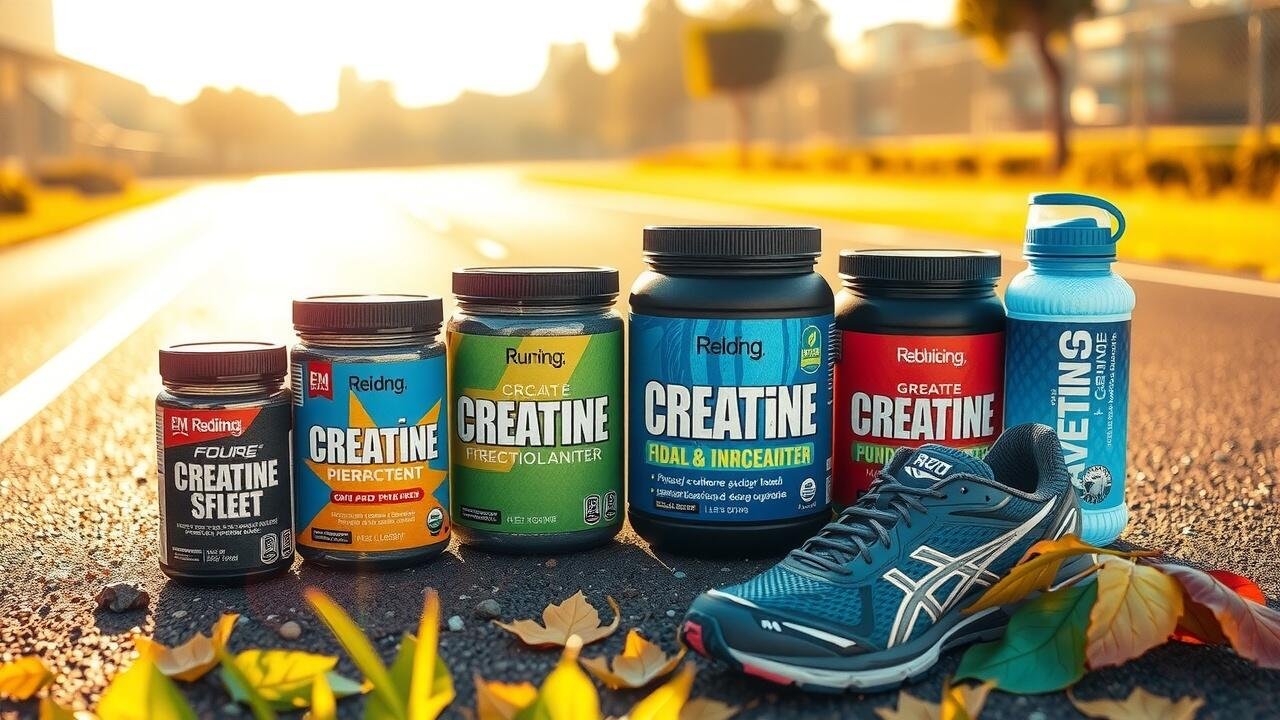
Creatine Monohydrate: A Runner’s Go-To Choice
Creatine Monohydrate is often regarded as the best creatine for runners due to its proven ability to enhance performance. Research indicates that creatine supplementation increases the levels of creatine in muscles, which can lead to improved strength and endurance. Many athletes, particularly runners, find that incorporating this form of creatine into their regimen allows them to drop creatine fatigue during long runs, making it easier to maintain their pace. The popularity of creatine monohydrate is evident in the market, where numerous brands are selling creatine supplements targeted at endurance athletes.
This supplement aligns well with the needs of runners, as creatine supports energy production during high-intensity efforts. High-quality creatine formulations contain creatine that is easily absorbed, ensuring increased muscle creatine levels swiftly. Creatine research consistently shows its effectiveness, making it a staple for those looking to enhance their running capabilities. For many, the choice of creatine monohydrate confirms its status as a go-to option in the pursuit of better performance on the track or trail.
Buffered Creatine: Beneficial for Endurance Athletes
Buffered creatine offers unique advantages for endurance runners looking to improve performance. This form of creatine is designed to minimize the acidic byproducts that can hinder absorption in the body. As a result, buffered creatine tends to enhance creatine stores more effectively. Certain creatine products, especially buffered forms, often lead to greater retention of muscle-specific creatine kinase, a key enzyme related to muscle recovery and performance during prolonged activities.
For athletes focused on maintaining energy levels throughout their runs, buffered creatine powders can be among the best creatine for runners. Creatine supplementation in this form allows for a gradual increase in muscle creatine stores without needing to undergo an intensive creatine loading phase. Many endurance runners find that incorporating this specific creatine powder into their routine helps sustain performance without the side effects sometimes associated with other creatine products.
Timing and Dosage Recommendations for Optimal Results
For distance runners seeking the best creatine for runners, understanding the timing and dosage is crucial to achieving increased creatine stores and optimal performance. The loading phase typically involves a higher intake of standard creatine monohydrate or Creapure to quickly achieve muscular creatine saturation, followed by a maintenance phase with lower doses. Those using liquid creatine might find it convenient for on-the-go supplementation, ensuring they stay aligned with their race schedule. The timing of creatine monohydrate supplementation is also significant; taking it post-workout can enhance recovery and aid muscle rebuilding, maximizing the benefits for runners competing in endurance events. Balancing these factors can lead to enhanced endurance and strength during training and races alike.
Loading Phase vs. Maintenance Phase
The loading phase typically lasts about a week and involves higher doses of creatine, often around 20 grams per day, divided into smaller servings. This approach helps saturate the muscles quickly, providing immediate benefits for endurance athletes and runners. Enhanced race performance can be particularly noticeable during high-intensity activities such as sprints and long runs. Creatine pulls water into the muscles, increasing their volume and potentially improving strength and power output for various race scenarios.
Once the muscles are saturated, the maintenance phase begins, where the dosage is reduced to around 3-5 grams per day. This lower intake is sufficient to maintain elevated creatine levels in the muscles for ongoing benefits during endurance events. Such a regimen aligns well with creatine monohydrate blends, which are popular among the best creatine for runners. This phase supports sustained energy release during races, optimizing performance over time for both sprinters and those engaging in longer distances.
When to Take Creatine for Best Results
Timing plays a crucial role in maximizing the benefits of creatine supplementation for runners. Sports nutritionists often recommend taking creatine during the loading phase to saturate muscle stores effectively. This approach is particularly useful for endurance sports participants who are preparing for intense endurance activity. Consistent dosing of the best creatine for runners, like creatine monohydrate, can enhance muscle endurance and overall endurance performance during races and training.
The most effective time to incorporate creatine into a routine is often post-workout. Consuming creatine alongside carbohydrates can significantly increase absorption rates, leading to improved recovery and muscle replenishment. This strategy can be particularly beneficial for runners engaged in endurance shows, where maintaining muscle endurance is vital. Adhering to these timing strategies can ensure that athletes maximize the effectiveness of the best creatine for runners and enhance their overall performance.
| Timing | Recommended Phase | Benefits | Additional Notes |
|---|---|---|---|
| Loading Phase | First 5-7 days | Rapid muscle saturation | Helps improve endurance quickly |
| Post-Workout | Every training session | Enhanced recovery and muscle replenishment | Best taken with carbohydrates |
| Daily Maintenance | After loading phase | Ongoing muscle endurance support | Maintains elevated creatine levels |
| Pre-Workout | On training days | Potential energy boost | Results may vary for individual athletes |
Potential Side Effects and Considerations
Understanding the potential side effects and considerations surrounding creatine supplementation is crucial for athletes. Many athletes engaging in endurance activities can benefit from oral creatine monohydrate, renowned for its effectiveness as one of the best creatine for runners. However, awareness of hydration needs is vital, as creatine can influence water retention and electrolyte balance, directly impacting exercise performance. While creatine is celebrated for its ability to enhance training—like hill sprints—and contribute to improved race performance, some individuals may experience mild gastrointestinal discomfort. Recognizing these elements ensures that runners maximize the benefits of effective sports supplements, all while maintaining optimal health for peak performance. Sports nutrition awards often highlight products that prioritize quality, making it essential to choose wisely for overall endurance success.
Hydration and Creatine Supplementation
Proper hydration is crucial for runners, especially when using supplements like the best creatine for runners. Dehydration can exacerbate the risk of cramps, impacting performance during training runs or long races. A sports nutritionist often emphasizes the importance of maintaining fluid balance, particularly for novice runners and well-trained triathletes who may experience different hydration needs. Taking supplements, such as legion creatine gummies, without adequate water intake may hinder overall exercise capacity.
The timing of hydration relative to creatine supplementation also plays a vital role. Consuming fluids and creatine together can aid absorption and effectiveness. Runners who overlook hydration might not fully benefit from their creatine regimen, regardless of the product quality. Ensuring proper water intake allows the body to harness the benefits of the best creatine for runners, supporting performance and recovery processes effectively.
Who Should Avoid Creatine?
Certain individuals might find creatine supplementation less beneficial or even unnecessary. For example, those who primarily engage in endurance-based activities rather than short-duration exercise may not experience the advantages that strength athletes do. Since creatine aims to enhance muscle performance and build strength, its effectiveness can be limited for athletes focused solely on high-effort running without strength training in their daily nutrition plan.
People with pre-existing health conditions should also approach creatine with caution. Those who are prone to renal issues or have a higher risk of running-related injury may want to avoid this performance supplement. The potential impact on hydration and muscle cramping can complicate an athlete’s training regimen, making it essential for these individuals to consult a healthcare professional before integrating the best creatine for runners into their routine.
- Individuals focused on endurance sports may not benefit from creatine supplementation.
- People with renal issues or kidney-related health concerns should be cautious with creatine use.
- Athletes with a history of muscle cramping may experience negative effects from creatine.
- Those who primarily engage in aerobic exercises should consider alternative supplements.
- Individuals with certain medical conditions should consult a healthcare professional before use.
- Pregnant or breastfeeding women should avoid creatine supplementation.
- Anyone taking medications that affect kidney function should exercise caution with creatine.
Combining Creatine with Other Supplements
Integrating the best creatine for runners into a comprehensive supplement strategy can significantly enhance performance. For casual joggers and serious athletes alike, pairing creatine with carbohydrates can optimize absorption, ultimately improving the effectiveness of the supplement. This combination supports a whole workout routine, particularly useful during demanding track intervals or repeated sprints. Post-workout nutrition becomes even more crucial, as it aids in recovery and replenishes glycogen stores. Incorporating protein supplements alongside creatine can further enhance muscle repair and growth, allowing athletes to achieve their goals in races and improve exercise heat tolerance. Selecting the right mix of supplements is essential for maximizing the benefits of the best creatine for runners.
The Role of Carbohydrates in Creatine Absorption
Carbohydrates play a crucial role in enhancing the effectiveness of creatine supplementation for sportspeople and runners. Consuming carbohydrates alongside the best creatine for runners can significantly boost insulin levels, facilitating the uptake of creatine into muscle cells. This combination is particularly beneficial for athletes engaged in high-intensity exercise, as it supports quicker recovery and improved performance during prolonged exercise sessions. Including carbohydrates in a daily supplement stack ensures that muscles receive the necessary nutrients to maximize the impact of creatine.
For those involved in soc sports, understanding the synergy between carbohydrates and creatine supplementation can elevate training outcomes. The best creatine for runners, when paired with adequate carbohydrate intake, promotes optimal muscle saturation and enhances overall strength. This strategic approach not only aids in rapid recovery but also helps in building more muscle mass and improving endurance for sustained athletic performance. Focused nutrition tailored to the unique demands of sports can yield significant advantages in competitive settings.
- Carbohydrates increase insulin secretion, which aids in creatine transport into muscle cells.
- Consuming carbs post-workout can enhance creatine’s effectiveness during recovery.
- A combination of carbs and creatine may improve overall exercise performance and endurance.
- Proper carbohydrate intake can lead to better muscle saturation of creatine, maximizing its benefits.
- Tailored nutrition plans that include carbs alongside creatine can optimize training results.
- Consistent carbohydrate consumption helps sustain energy levels during high-intensity workouts.
- Monitoring carbohydrate intake is essential for athletes looking to achieve peak performance.
Synergy with Protein Supplements for Runners
Combining creatine with protein supplements can enhance recovery and muscle growth for runners. The best creatine for runners works effectively alongside protein, as both contribute to improved performance and physical resilience. Protein provides the necessary building blocks for muscle repair, while creatine boosts energy production during high-intensity workouts, making the duo a powerful combination.
Runners looking for optimal results might consider timing their intake of both supplements for maximum effectiveness. Consuming protein shortly after a workout aids in muscle recovery, while the best creatine for runners can be taken to replenish phosphocreatine stores. This strategic approach not only enhances physical performance but also supports sustained energy levels during training sessions.
Conclusion
Understanding the various aspects of creatine supplementation can significantly enhance a runner’s performance. The best creatine for runners often comes down to the purity and quality of ingredients, as the highest-quality creatine ensures optimal results. Creatine trials have shown that not all athletes respond the same way to supplementation, highlighting the importance of individual creatine response. While some may not require much creatine intake, others might benefit from free-creatine forms or explore ways creatine can complement their training. It is essential for runners to assess their needs, as some creatine groups may be more advantageous based on specific goals and training regimens. Ultimately, optimizing creatine intake can lead to improved endurance and strength, positioning runners to achieve their best performance.
FAQS
What is creatine and how does it benefit runners?
Creatine is a naturally occurring compound found in small amounts in certain foods and produced in the body. It helps improve energy production during high-intensity exercises, which can enhance running performance by increasing strength, speed, and endurance.
Is creatine safe for runners to use?
Yes, creatine is generally considered safe for most individuals, including runners. However, it’s important to consult with a healthcare professional before starting any supplement, especially if you have underlying health conditions.
How should runners take creatine for the best results?
Runners can benefit from taking creatine through a loading phase followed by a maintenance phase. The loading phase typically involves taking 20 grams per day for 5-7 days, followed by a maintenance dose of 3-5 grams per day. Timing can vary, but many find taking it post-workout effective.
Are there different types of creatine, and which is best for runners?
Yes, there are several types of creatine, including creatine monohydrate and buffered creatine. Creatine monohydrate is the most studied and commonly recommended for runners due to its effectiveness and affordability. Buffered creatine may be beneficial for those concerned about stomach discomfort.
Can creatine cause weight gain in runners?
Creatine can lead to water retention in muscles, which may result in a slight increase in weight. However, this is typically not fat gain and may actually be beneficial for performance. Runners should consider their specific goals when evaluating this effect.
How do creatine products from SixStar align with endurance running for athletes looking to improve their performance?
Creatine products from SixStar can fit into a runner’s training regimen by enhancing exercise/sports performance. While creatine is traditionally associated with strength training, it can also be beneficial for runners when taken as creatine post-workout. Creatine supplementation can increase muscle energy, helping to improve endurance running without significantly hindering performance. However, it’s important for athletes to consider their needs, as creatine isn’t suitable for everyone and may not be necessary for all types of running.
How can creatine supplements be beneficial for runners looking to enhance their performance and minimize running-related injury risk?
Creatine supplementation can provide significant benefits for runners. While many think of creatine as primarily for strength training, it can also align with the needs of runners. The right creatine, such as ole creatine monohydrate, can help improve recovery times, thus supporting more intense training sessions. Moreover, certain creatine don enhance muscle endurance, allowing runners to sustain their speed over longer distances. However, it’s important to note that not all creatine exists in the same form, and choosing the right type is crucial. Some runners may worry that creatine increases water retention, which can hinder performance; however, when used correctly, creatine supplementation can be a valuable part of sports nutrition that decreases running-related injury risk while improving overall athletic performance.
What factors should runners consider when choosing creatine supplements to ensure they don’t hinder performance?
Runners should evaluate several factors when selecting creatine supplements to ensure they align with their needs. It’s essential to choose the right type of creatine that can support their sports nutrition position without hindering their performance. Understanding how creatine involves strength training can also offer insights into its benefits. Additionally, being aware of football facts regarding runners may provide valuable context on how creatine supplementation can support overall athletic goals.
What are the essential factors that football players and runners should consider when selecting creatine supplements to ensure they receive the benefits without the risk of performance hindrance?
When selecting creatine supplements, football players and runners should consider how creatine aligns with their specific performance goals. It’s crucial to understand that while creatine can involve strength benefits, its usage should be tailored in a way that it doesn’t hinder overall performance. Proper creatine supplementation can be advantageous if athletes focus on their individual needs and ensure they are using the creatine right.
How can creatine supplementation benefit both football players and runners without the risk of performance hindrance?
Creatine supplements—or products that incorporate creatine—are often linked to improved strength and endurance, making them suitable for various athletes. For football players and runners, creatine supplementation can enhance performance and recovery. However, it’s important to choose the right creatine supplements to ensure they do not hinder performance, especially in endurance activities. Both groups must consider how creatine involves strength development while minimizing any negative effects on their specific athletic demands.
Can creatine supplementation involve strength training for runners and what are important football facts for runners to consider to prevent any potential performance hinder?
Yes, creatine supplementation can involve strength training for runners, which may enhance their overall performance. Important football facts for runners include understanding how creatine might aid in recovery and strength development, as well as being aware that improper use can hinder performance in running events.
How does creatine supplementation involve strength training for runners, and what football facts should runners keep in mind to prevent any potential performance hinder?
Creatine supplementation can involve strength training for runners by increasing muscle strength and power, which is beneficial for sprinting and explosive movements. Runners should consider football facts, such as the importance of recovery and proper nutrition, to ensure that creatine supplementation does not hinder their performance on the track or field.
How does creatine supplementation involve strength training, and what football facts should runners consider to prevent any potential performance hinder?
Creatine supplementation can enhance strength by increasing the availability of ATP during high-intensity workouts, which can benefit runners when incorporating strength training into their routines. It’s important for runners to understand relevant football facts, such as how increased muscle power can support running efficiency while ensuring that the creatine they use does not hinder their endurance performance.
How does creatine supplementation relate to strength training for runners, and what important football facts should runners be aware of to avoid any potential performance hinder?
Creatine supplementation can significantly enhance strength and power for runners, enabling them to perform better during interval training and hill sprints. Runners should consider football facts, which indicate that while creatine can improve explosive strength, it’s crucial to monitor intake to prevent any performance hinder, ensuring a balance between strength gains and endurance requirements.
How should runners integrate creatine supplementation with their strength training routines, and what football facts should they be aware of to prevent any potential performance hinder?
Runners should consider how creatine supplementation can involve strength training to enhance their muscular endurance without negatively affecting their running performance. Additionally, understanding certain football facts related to creatine use can help runners optimize their training and avoid any potential performance hinder.