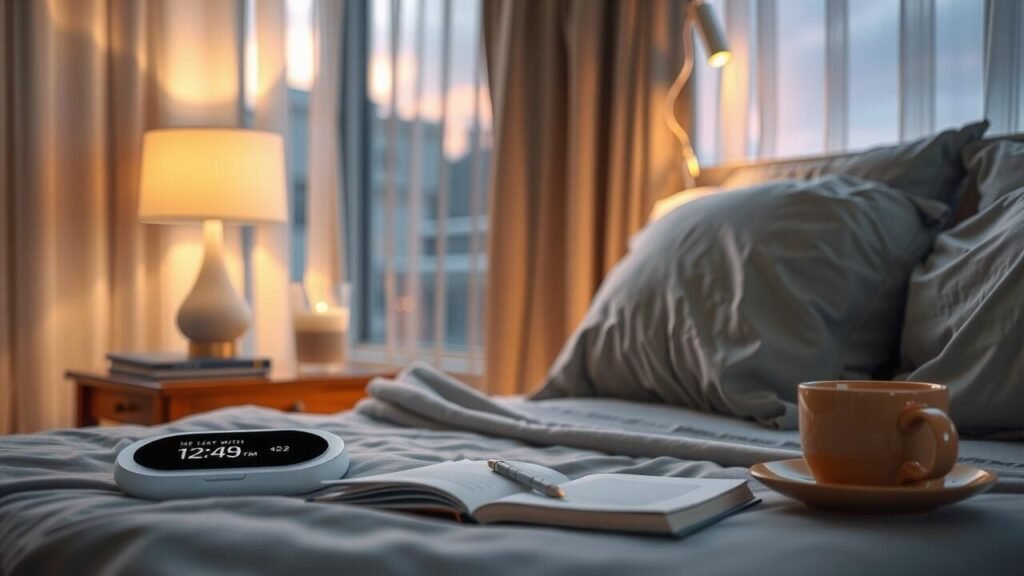
Lifestyle Tips for Better Sleep on the Road
Traveling often disrupts regular sleeping patterns. To improve chances of restful nights, establishing a consistent sleep schedule can be beneficial. Aim to go to bed and wake up at the same time, even when away from home. Creating a pre-sleep routine can signal to your body that it’s time to wind down. This might involve relaxing activities such as reading or practicing deep breathing exercises.
Staying active during the day can also contribute to better sleep at night. Engage in physical activities that are suitable for the travel environment, like walking or biking to explore new locations. Avoid heavy meals and caffeine close to bedtime; instead, opt for light snacks if needed. Hydration is important as well, but it is wise to limit fluid intake right before sleep to minimize nighttime interruptions.
Creating a Sleep-Friendly Environment
Disruptions in sleep can significantly impact a traveler’s experience. Aiming to create a soothing atmosphere in hotel rooms or temporary accommodations can be essential for rest. Consider adjusting the thermostat to a comfortable temperature. Heavy curtains or sleep masks can block out unwanted light from city streets or hotel signage. Earplugs or white noise machines may help drown out unfamiliar sounds that could interfere with sleep.
In addition to managing light and noise, the choice of bedding can also influence sleep quality. Requesting additional pillows or blankets can enhance comfort. Traveling with familiar items, such as a favorite pillowcase or a small blanket, can evoke feelings of home. Arranging the sleeping area to establish a sense of calm and security promotes relaxation, making it easier to drift off into restorative slumber while on the road.
The Role of Sleep Hygiene in Travel
Maintaining good sleep hygiene while traveling can significantly influence overall well-being. This involves adopting habits that promote restful sleep despite the often unpredictable environment of travel. Regular sleep schedules, even when on the road, play a crucial role. Aligning waking and sleeping times to local time and avoiding excessive napping can help regulate the body’s internal clock.
Another vital aspect is the creation of an optimal sleep environment wherever you end up. This may mean choosing accommodations wisely or enhancing the space with items like sleep masks and earplugs to block out noise and light. Personal comfort items, such as a favorite pillow or blanket, can provide a sense of familiarity that promotes relaxation. Staying mindful of pre-sleep routines, such as winding down without screens, can also contribute to better quality sleep during trips.
Best Practices for Maintaining Sleep Hygiene
Maintaining consistent sleep hygiene is essential for travelers who want to ensure restful nights, regardless of their location. Establishing a regular sleep schedule helps regulate the body’s internal clock. Aim to go to bed and wake up at the same time, even when crossing time zones. Practicing a relaxing pre-sleep routine can also signal the body to wind down. Simple activities such as reading, taking a warm shower, or practicing meditation can help ease the transition to sleep.
Another key aspect of sleep hygiene is creating an optimal sleep environment, which can be challenging while traveling. Consider factors such as light, noise, and temperature. Use eye masks and earplugs to block out disturbances. Keeping the room cool and well-ventilated promotes better sleep. When possible, choose accommodations that offer blackout curtains and comfortable bedding to enhance the sleep experience. By prioritizing these practices, travelers can improve their chances of achieving restorative rest on the road.
Technology and Sleep Aids for Travelers
Travelers often face unique challenges when it comes to sleep. Fortunately, technology offers various solutions to enhance rest. Sleep masks blocking out light can create a darkness similar to one’s home environment. Noise-canceling headphones or white noise machines help minimize unexpected sounds. Additionally, portable air purifiers can improve air quality, making the sleep environment more conducive to rest, especially in unfamiliar locations.
Smart devices also play a role in improving sleep quality during travel. Sleep tracking apps monitor sleep patterns, providing insights into how well travelers rest in different settings. Wearable devices can alert users to the optimal time for sleep based on their individual circadian rhythms. Furthermore, meditation and relaxation apps provide guided sessions that ease stress and promote calm, making it easier to drift off in a new place.
Sleep Tracking Apps and Devices
Travelers often struggle with disrupted sleep patterns due to changes in time zones and unfamiliar environments. Sleep tracking apps and devices can help monitor sleep quality, duration, and patterns, offering insights that can lead to better rest. These tools use various metrics such as heart rate variability and movement during sleep to provide a comprehensive view of how well you are sleeping while away from home.
Popular applications and wearable devices often come equipped with features like sleep graphs, reminders for bedtime, and guided relaxation techniques. Some apps even offer personalized recommendations based on the collected data, allowing users to make informed adjustments to their pre-sleep routines. Embracing these technological tools can enhance the overall travel experience by helping maintain a healthier sleep schedule during trips.
FAQS
What are some common sleep aids for travelers?
Common sleep aids for travelers include melatonin, herbal supplements like valerian root, over-the-counter medications such as diphenhydramine, and sleep masks or earplugs to block out noise and light.
How can I create a sleep-friendly environment while traveling?
To create a sleep-friendly environment, choose accommodations with comfortable bedding, use blackout curtains or an eye mask to block light, control the room temperature, and minimize noise with earplugs or white noise machines.
What are the best practices for maintaining sleep hygiene while traveling?
Best practices for maintaining sleep hygiene while traveling include sticking to a consistent sleep schedule, avoiding caffeine and heavy meals before bedtime, engaging in relaxing activities before sleep, and seeking natural light during the day.
Are sleep tracking apps helpful for improving sleep on the road?
Yes, sleep tracking apps can be helpful for improving sleep on the road as they monitor sleep patterns, provide insights on sleep quality, and offer tips for better sleep based on your individual data.
How long before bedtime should I take sleep aids?
It is generally recommended to take sleep aids about 30 minutes to an hour before bedtime. However, you should always follow the specific instructions provided with the sleep aid or consult with a healthcare professional for personalized advice.
Related Links
best sleep aid for travel
What is the best thing to take to sleep on a plane?
What is the 10 5 3 2 1 rule for sleep?