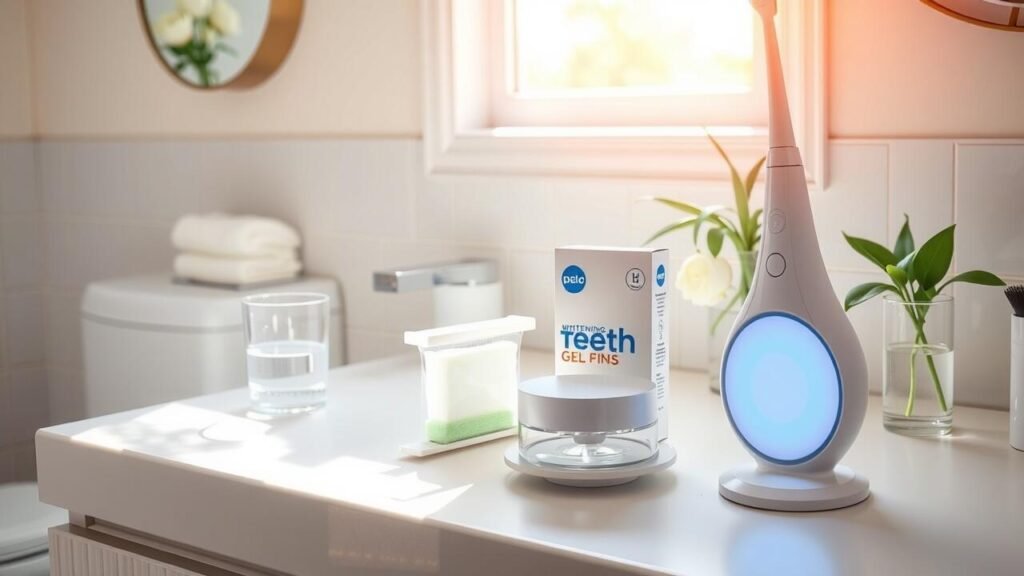
Safety Considerations for Teeth Whitening
When considering teeth whitening options, it is crucial to assess the safety of various treatments. Many over-the-counter products contain bleaching agents that may not be suitable for everyone. Individuals with sensitive teeth or existing dental issues should consult a dentist before starting any whitening regimen. Professional treatments often come with the added reassurance of expert supervision, which can help minimize potential risks.
The quality and concentration of whitening agents vary significantly across products, emphasizing the importance of choosing reputable brands. Inadequate application or misuse can lead to adverse effects, such as gum irritation or enamel damage. Undertaking a patch test or using lower concentrations initially can serve as a precaution. Prioritizing safety will enhance the overall experience and results of the whitening process.
Potential Side Effects of Whitening Treatments
Teeth whitening treatments can lead to several side effects that users should be aware of before proceeding. Commonly reported issues include tooth sensitivity, which may manifest as discomfort or pain when consuming hot or cold beverages. This occurs due to the bleaching agents penetrating the enamel, temporarily affecting the nerve endings in the teeth. Gum irritation can also arise from exposure to these agents, leading to redness and discomfort in the gum tissue surrounding the treated areas.
In some cases, overuse of whitening products can result in uneven whitening or a “white spotting” effect on the teeth. This may be especially noticeable in individuals with pre-existing dental issues. The potential for enamel erosion exists if aggressive or high-concentration whitening products are used improperly. It is crucial to follow instructions closely and consult with a dental professional to minimize the risk of adverse reactions.
Choosing the Right Whitening Method
Selecting a whitening method involves considering various factors, including the degree of discoloration and the sensitivity of your teeth. Over-the-counter options like whitening strips or gels may be effective for mild yellowing, while more severe cases often require professional treatments such as in-office whitening or custom trays that provide a tailored approach. Understanding the type of whitening agents used in different treatments can also influence decision-making.
Additionally, it is vital to assess individual comfort levels with the various methods available. Some people may prefer in-office treatments due to their immediate results, while others might lean towards at-home solutions for convenience. Personal preferences and lifestyle factors will play a significant role in determining which whitening method is the most suitable for achieving a brighter smile.
Factors to Consider Based on Tooth Sensitivity
Individuals with sensitive teeth should carefully evaluate their options when considering whitening treatments. Many over-the-counter products can lead to discomfort or exacerbate existing sensitivity. They often contain stronger bleaching agents that, while effective, may pose a risk to enamel and gum health. It’s essential to look for formulations specifically designed for sensitive teeth, as these can provide effective results without causing undue pain.
Professional treatments might offer better control for those concerned about sensitivity. A dentist can assess the condition of the teeth and recommend appropriate procedures that minimize discomfort. Options like desensitizing agents or custom trays can enhance the experience. In some cases, gradual treatments may be recommended to safely achieve desired results while reducing the risk of sensitivity flare-ups.
Cost Comparison of Whitening Treatments
Teeth whitening options vary widely in cost, from affordable over-the-counter products to more expensive professional treatments. At-home kits and whitening strips generally range from $20 to $50, making them accessible for most budgets. These products can deliver noticeable results over time but often require consistent use and may take longer to achieve the desired whiteness.
Professional whitening services offered by dentists can be significantly pricier, typically ranging from $300 to $1,500. These treatments often provide immediate results and may use stronger whitening agents, thus ensuring a more uniform shade over fewer sessions. The higher price reflects not only the product used but also the expertise of the professional administering the treatment, ensuring safety and efficacy throughout the process.
Budget-Friendly Alternatives to Professional Whitening
Many individuals seek affordable solutions to achieve a brighter smile. Over-the-counter whitening strips and gels are widely available at pharmacies and can offer noticeable results at a fraction of the cost of professional treatments. These products often contain hydrogen peroxide or carbamide peroxide, which can effectively lighten teeth. It is important to follow the instructions carefully to avoid any unnecessary damage to enamel or gums.
Home remedies have also gained popularity, with options like baking soda and hydrogen peroxide mixtures, or activated charcoal being common choices. While these alternatives can provide mild whitening effects, results may vary significantly. Users should approach these methods with caution, as improper use can lead to enamel erosion or tooth sensitivity. Clear communication with a dentist can guide individuals toward the safest and most effective budget-friendly whitening options.
FAQS
What is the most effective teeth whitening method for yellow teeth?
The most effective teeth whitening method can vary from person to person, but professional treatments offered by dentists often yield the best and quickest results. At-home options like whitening strips or trays can also be effective, but may take longer to show results.
Are there any risks associated with teeth whitening?
Yes, there are potential risks involved with teeth whitening, including tooth sensitivity, gum irritation, and uneven results. It is important to follow instructions carefully and consult with a dental professional if you have concerns.
How long do teeth whitening results last?
The duration of teeth whitening results can vary based on the method used and individual habits. Professional whitening can last from six months to two years, while at-home treatments may require more frequent touch-ups.
Can I whiten my teeth if I have sensitive teeth?
Yes, there are teeth whitening options specifically designed for individuals with sensitive teeth. It’s important to choose a method that is gentle and consult with your dentist for personalized recommendations.
What are some affordable alternatives to professional teeth whitening?
Affordable alternatives include over-the-counter whitening strips, toothpaste with whitening agents, and natural remedies like baking soda or hydrogen peroxide. However, results may vary, and it’s advisable to check with a dentist before trying these methods.
Related Links
best teeth whitening for yellow teeth
Can yellowed teeth be whitened?