Omega-3 Fatty Acids for Inflammation
Inflammation is a common issue for those engaged in intense physical activities like calisthenics. Omega-3 fatty acids are known for their anti-inflammatory properties, which can help mitigate the pain and discomfort that often accompany regular training. Sources such as fatty fish, flaxseeds, and walnuts provide these essential fats, making them an important addition to the diet for athletes focused on recovery.
Regular consumption of omega-3s may lead to reduced joint soreness and faster recovery times between workouts. This can enhance overall performance by allowing practitioners to train harder while minimizing the risk of injury. Incorporating omega-3-rich foods or considering high-quality supplements may offer significant advantages in maintaining joint health and promoting a more effective calisthenics routine.
The Role of Omega-3s in Joint Health
Omega-3 fatty acids are essential for maintaining joint health, particularly for those engaged in intense physical activities like calisthenics. These fatty acids have anti-inflammatory properties that help reduce swelling and discomfort in the joints. Including sources of omega-3s in your diet, such as fish, flaxseeds, and walnuts, can contribute to better mobility and overall joint function.
Regular consumption of omega-3s may also enhance the body’s ability to recover from strenuous exercise. For athletes, this means potentially reduced soreness and a quicker return to training after intense sessions. Healthy joints support a wider range of movements, which is crucial for mastering various calisthenics techniques.
Vitamins and Minerals to Consider
Micronutrients play a crucial role in supporting overall health and enhancing performance in calisthenics. Vitamins such as B-complex, C, and D are particularly important. B vitamins contribute to energy metabolism, which is essential during intense training sessions. Vitamin C acts as an antioxidant, helping to reduce exercise-induced oxidative stress. Vitamin D supports bone health and immune function, both key for maintaining a consistent workout routine.
Minerals like magnesium, zinc, and calcium are vital for muscle function and recovery. Magnesium aids in muscle contractions and relaxation, playing a key role in preventing cramps. Zinc is important for immune health and recovery, allowing for more effective training sessions. Calcium is known for its role in bone density and muscle contractions, making it essential for athletes engaging in weight-bearing exercises like calisthenics. Ensuring an adequate intake of these vitamins and minerals can significantly improve both performance and recovery.
Essential Micronutrients for Calisthenics Performance
Micronutrients play a crucial role in supporting the overall performance and recovery of individuals practicing calisthenics. A balanced intake of vitamins and minerals can enhance energy metabolism, aid in muscle recovery, and support bone health. For instance, vitamin D is essential for calcium absorption, which is vital for maintaining bone density. Additionally, B vitamins help convert food into usable energy, enabling athletes to perform at their best during workouts.
Iron and magnesium are also significant for individuals engaged in calisthenics. Iron contributes to oxygen transport in the body, ensuring that muscles receive adequate oxygen during intense workouts. Magnesium aids in muscle contraction and relaxation, helping to prevent cramps and fatigue. Incorporating a variety of nutrient-dense foods, such as leafy greens, lean proteins, and whole grains, can help ensure that these essential micronutrients are consumed regularly, promoting optimal performance and recovery.
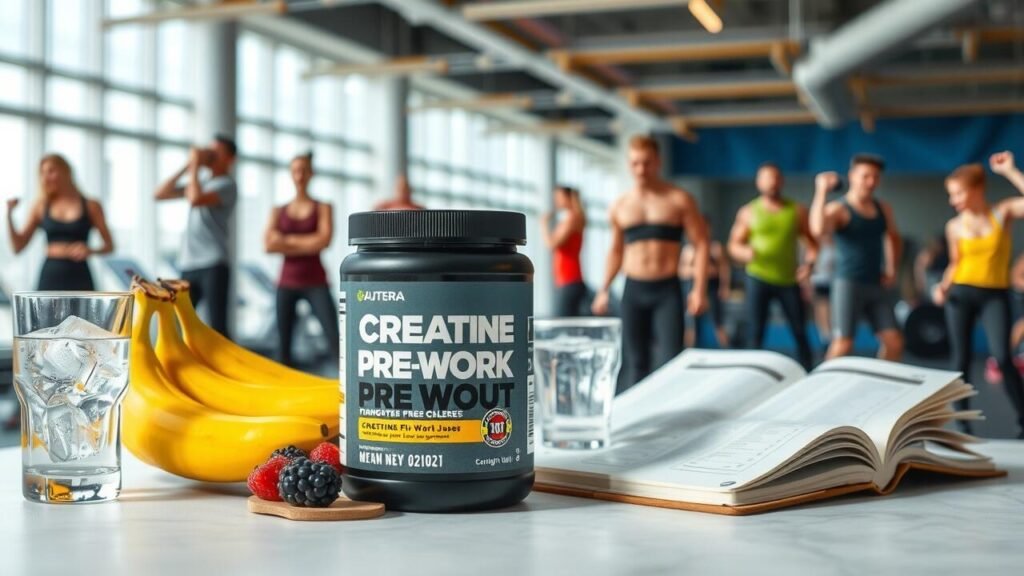
Pre-Workout Supplements Explained
Pre-workout supplements are designed to enhance workout performance by boosting energy levels and improving endurance. They often contain a blend of ingredients that work synergistically to prepare the body for intense physical activity. The formulations can vary widely, catering to different goals and sensitivities of athletes, especially those engaged in calisthenics, where bodyweight exercises demand high levels of strength and stamina.
Common ingredients include caffeine for increased alertness and energy, beta-alanine to delay muscle fatigue, and branched-chain amino acids (BCAAs) to promote muscle recovery. Some products may also incorporate nitric oxide precursors like L-arginine or L-citrulline, which aid in promoting blood flow to the muscles. Understanding the specific ingredients and their intended effects can help athletes select the most suitable pre-workout supplement for their calisthenics routine.
Ingredients to Look for in Effective Pre-Workouts
When searching for effective pre-workout supplements, it’s essential to prioritize key ingredients known for enhancing performance and energy levels. Caffeine stands out as one of the most popular compounds, often praised for its ability to improve focus and endurance during workouts. Beta-alanine, another valuable ingredient, helps buffer lactic acid buildup, potentially delaying fatigue and allowing for more intense training sessions.
In addition to these stimulants, many pre-workouts include amino acids such as BCAAs (branched-chain amino acids) to support muscle recovery and growth. Citrulline malate is another beneficial ingredient, which can enhance blood flow and reduce the perception of fatigue. Together, these components create a synergistic effect that can lead to improved performance and greater training efficiency.
FAQS
What is the best supplement for calisthenics?
The best supplement for calisthenics often includes omega-3 fatty acids for inflammation management, essential vitamins and minerals for optimal performance, and pre-workout supplements that enhance energy and focus.
How do omega-3 fatty acids benefit calisthenics athletes?
Omega-3 fatty acids help reduce inflammation and support joint health, which can be especially beneficial for calisthenics athletes who perform high-repetition movements that put stress on the joints.
Which vitamins and minerals should I focus on for calisthenics?
Key vitamins and minerals for calisthenics performance include vitamin D, calcium, magnesium, and zinc, as they play critical roles in muscle function, energy production, and recovery.
What should I look for in a pre-workout supplement?
Effective pre-workout supplements should contain ingredients like caffeine for energy, beta-alanine for endurance, and branched-chain amino acids (BCAAs) to support muscle recovery and performance.
Can I get enough nutrients from food alone for calisthenics?
While a well-balanced diet can provide most nutrients needed, supplements can be helpful to fill any gaps, especially for those with specific dietary restrictions or increased nutritional needs from intense training.
Related Links
best pre workout for calisthenics
Does pre-workout help with calisthenics?
Does pre-workout help with calisthenics?
What is the 80 20 rule in calisthenics?