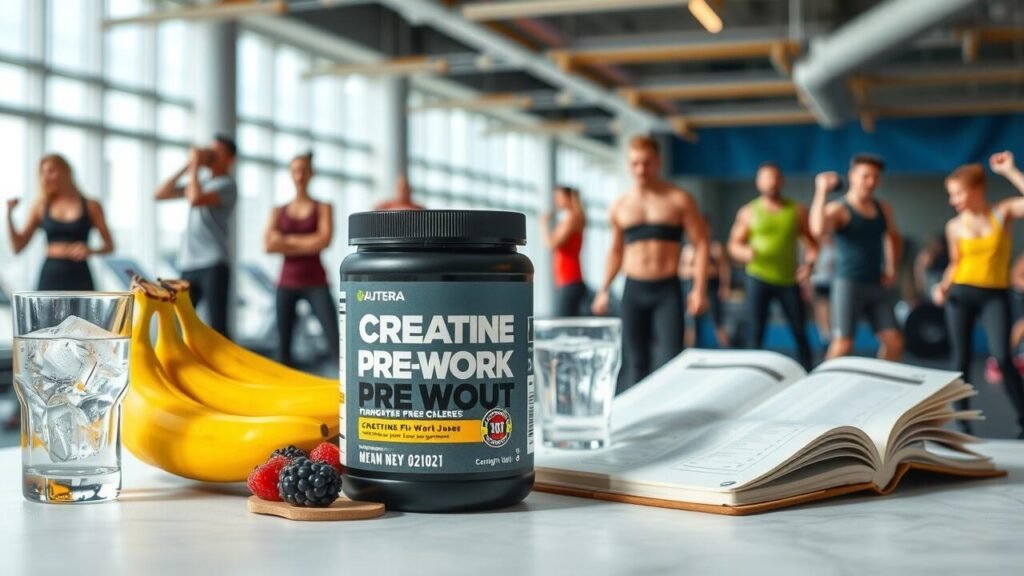
Natural Alternatives to Pre-Workout Supplements
For those seeking energy boosts without relying on supplements, whole foods can provide an effective alternative. Fruits like bananas offer natural sugars and potassium, which can enhance energy levels during workouts. Additionally, oatmeal is a great source of complex carbohydrates, promoting sustained energy release, making it ideal for fueling strength training sessions. Protein sources, such as Greek yogurt or nut butters, can also contribute essential nutrients that help sustain performance.
Hydration plays a crucial role in maintaining energy, so drinking water or electrolyte-rich beverages aids in overall workout effectiveness. Green tea is another option. It contains caffeine for a mild energy lift and antioxidants that support workout recovery. Whole food snacks, combined with proper hydration, can create a natural pre-workout routine that effectively prepares the body for intense training sessions.
Food Choices for Energy Boost
Prioritizing the right food choices can significantly enhance energy levels before a workout. Foods rich in carbohydrates are essential for fueling workouts, as they provide the necessary glycogen for immediate energy. Options such as oatmeal, whole grain toast, and fruits like bananas are excellent because they digest quickly and supply a rapid source of energy. These foods can be consumed one to three hours before training to optimize performance.
Incorporating protein into pre-workout meals can also be beneficial. Foods such as Greek yogurt, cottage cheese, or a protein shake can support muscle repair and overall performance. Combining protein with carbohydrates creates a balanced meal that sustains energy and promotes endurance. This strategy can lead to improved training sessions without reliance on artificial supplements.
Comparing Pre-Workout with Other Supplements
Pre-workout supplements often contain ingredients designed to boost energy, enhance focus, and improve performance. They typically include caffeine, beta-alanine, and creatine, each serving a specific purpose. Creatine, for instance, is widely used for its ability to improve strength and power output during high-intensity workouts. In contrast, other popular supplements like BCAAs (branched-chain amino acids) target muscle recovery and endurance rather than immediate energy spikes.
When discussing performance enhancement, understanding the goal of the workout becomes key. For those focusing on strength training, creatine or even whey protein can complement the pre-workout approach by providing essential nutrients for muscle repair and growth. Conversely, endurance athletes may benefit more from electrolytes and carbohydrates to sustain prolonged activity rather than from a pre-workout designed for explosive energy bursts. Each supplement has its unique advantages depending on the type of training and individual goals.
Strength vs. Endurance Focus
When selecting a pre-workout supplement, it’s essential to consider the specific goals of your training regime. For strength training, supplements often emphasize ingredients that promote explosive energy and enhance muscle performance. Components such as creatine and beta-alanine are frequently included, providing immediate energy boosts while also supporting muscle endurance during heavier lifts. These elements can help improve not just the volume of training, but also the effectiveness of each repetition.
On the other hand, endurance-focused formulas typically feature ingredients that enhance stamina and reduce fatigue. Options like caffeine, L-citrulline, and B vitamins are common in these blends, promoting blood flow and oxygen delivery to the muscles. Such supplements can be particularly beneficial for long-duration exercises, as they help sustain energy levels over extended periods, allowing athletes to push through longer sessions without succumbing to tiredness. Balancing the focus of training with appropriate supplement choices can significantly influence overall athletic performance.
User Experiences and Testimonials
Many athletes and fitness enthusiasts share their experiences with pre-workout supplements, often highlighting significant boosts in energy and focus during their training sessions. Several users report that these supplements enhance their performance, allowing them to push through tougher workouts and achieve personal bests. Some swear by the increased drive they feel, noting that the combination of specific ingredients seems to be a game-changer.
On the other hand, not all testimonials are positive. A number of users have experienced side effects such as jitters, increased heart rate, or crashes in energy levels after workouts. Some participants in online forums express concern about the long-term effects of reliance on such products. Their experiences vary widely, demonstrating that while some thrive on pre-workouts, others find them less beneficial or even counterproductive.
Real-Life Impacts on Training
Many users report a significant boost in their workout performance when incorporating pre-workout supplements into their routine. Enhanced focus and increased energy levels often lead to more efficient sessions at the gym. This heightened state can translate into lifting heavier weights or completing more repetitions, which is crucial for those focused on strength training.
Conversely, some individuals experience negative side effects, such as jitters or digestive discomfort. These reactions can detract from the overall workout experience. The effectiveness of pre-workout varies from person to person, demonstrating that while some thrive under its influence, others may find it counterproductive. Individual responses highlight the importance of personal experimentation when considering these supplements.
FAQS
What is pre-workout and how does it help with strength training?
Pre-workout supplements are designed to boost energy, endurance, and focus during workouts. They typically contain ingredients like caffeine, creatine, and beta-alanine, which can enhance performance in strength training by increasing energy levels and reducing fatigue.
Are there natural alternatives to pre-workout supplements for strength training?
Yes, there are several natural alternatives such as consuming whole foods like bananas for carbohydrates, Greek yogurt for protein, and oatmeal for sustained energy. These foods can provide a natural energy boost without the need for artificial ingredients.
Can pre-workout supplements have negative side effects?
Some users may experience side effects from pre-workout supplements, such as jitters, increased heart rate, or gastrointestinal discomfort. It’s important to read labels, start with smaller doses, and consult with a healthcare professional if you have concerns.
How do pre-workout supplements compare to other types of supplements for strength training?
Pre-workout supplements focus on energy and performance, while other supplements like protein powders aid in muscle recovery and growth. It’s essential to consider your specific fitness goals when choosing between different types of supplements.
What have users reported about their experiences with pre-workout supplements in strength training?
Many users report improved energy levels and enhanced workout performance with pre-workout supplements. However, experiences can vary widely, with some individuals finding them unnecessary or experiencing side effects. Personal trial and assessment are crucial for determining effectiveness.
Related Links
best pre workout for strength training
Can I take pre-workout with high blood pressure?
What is the best pre-workout for strength?