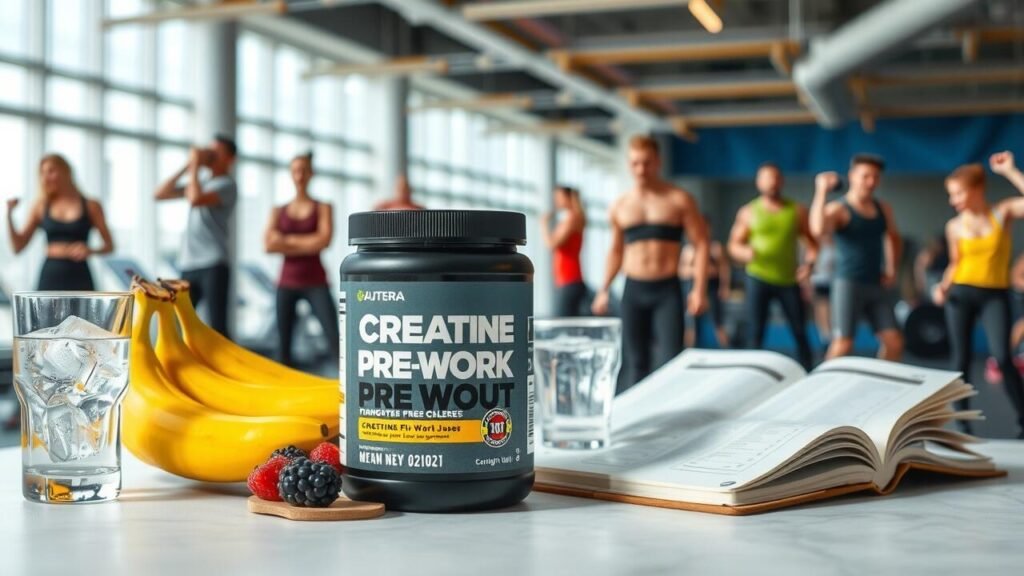
Timing Your Pre-Workout Intake
The timing of pre-workout intake plays a crucial role in maximizing energy levels during exercise. For many individuals, taking supplements 30 to 60 minutes before a workout can yield the best results. This timeframe allows the body to adequately absorb and utilize the ingredients, providing a boost in focus and endurance. It’s essential to experiment within this window to determine what feels most effective for your body’s unique metabolism and workout routine.
Another consideration is the type of food consumed prior to taking pre-workout supplements. Having a light meal or snack that is low in fat and high in carbohydrates can enhance the absorption process. This approach ensures that the body has the necessary fuel to support the heightened energy demands of physical activity. Maintaining proper hydration is also important, as dehydration can diminish the benefits of pre-workout supplementation.
When to Take Supplements for Optimal Results
Timing plays a crucial role in maximizing the effectiveness of pre-workout supplements. These products are typically designed to elevate energy levels and enhance performance, making their consumption just before exercise essential. Most experts recommend taking pre-workout supplements 20 to 30 minutes prior to your workout. This allows for adequate time to absorb the active ingredients and convert them into usable energy.
Individual preferences and workout schedules also influence the ideal timing for supplement intake. Some individuals may find that consuming their pre-workout even further in advance helps improve their focus and energy. Experimenting with different timings can help identify what works best for your body and routine, allowing you to achieve optimal results during each session.
Potential Side Effects to Consider
When incorporating pre-workout supplements into your routine, it is essential to be aware of potential side effects. Common reactions can include jitters, increased heart rate, and digestive issues. These effects are often attributed to ingredients like caffeine, which is prevalent in many formulations. Individuals may experience varying sensitivities to these stimulants, making it important to monitor how your body responds after consumption.
Some pre-workouts contain high levels of certain substances, leading to more severe side effects for some users. Insomnia or heightened anxiety can occur, particularly if taken too close to bedtime or if an excessive dose is consumed. To mitigate adverse reactions, starting with smaller doses and gradually increasing them can be an effective strategy. Understanding your personal tolerance and consulting with a healthcare professional when unsure can help in making informed decisions about your pre-workout choices.
Risks and How to Mitigate Them
While pre-workout supplements can enhance performance, they may also carry certain risks. Caffeine, a common ingredient in many formulas, can lead to increased heart rate and jitters, especially in those sensitive to stimulants. Other ingredients, such as excessive amounts of beta-alanine, could cause tingling sensations, which, while harmless, can be uncomfortable for some users. It’s crucial to read labels carefully to avoid overconsumption of any particular ingredient and to stay within recommended dosage guidelines.
To mitigate potential side effects, experimenting with different products and adjusting serving sizes can help individuals find their ideal balance. Starting with half a serving allows the body to acclimatize to the formula. Staying well-hydrated before, during, and after workouts can also reduce some negative effects associated with high-stimulant pre-workouts. Consulting with a healthcare professional about specific dietary needs or medical conditions ensures a safer approach to selecting supplements.
Personalizing Your Pre-Workout Routine
Understanding individual needs is crucial for developing an effective pre-workout routine. Factors such as body composition, tolerance to stimulants, and workout intensity play significant roles in determining the right formulation. Some individuals may respond well to high caffeine levels, while others might find lower amounts more beneficial. Additionally, personal fitness goals, such as muscle gain or fat loss, can dictate the types of ingredients that will be most effective.
Experimenting with different ingredients and timing strategies can help pinpoint what works best. Tracking energy levels, focus, and overall performance during workouts can provide valuable insights. Adjusting the dosage of certain ingredients or trying out various pre-workout supplements can lead to a more tailored approach. This personalized strategy ensures that the pre-workout routine supports optimal energy levels and enhances workout performance.
Finding What Works Best for You
Experimentation is key when determining the most effective pre-workout for your individual needs. Factors such as body weight, fitness goals, and sensitivity to stimulants can significantly influence the ideal choice. Some individuals may respond better to high-caffeine options, while others may prefer non-stimulant alternatives. Trying different products and observing how your body reacts can help you identify the pre-workout that maximizes your energy levels and enhances performance.
Keeping a workout journal can be beneficial in this process. Note the brands and ingredients of any pre-workouts you try, along with your energy levels and overall workout performance. This record allows you to track patterns and identify what brings about the best results. Additionally, consider consulting with a healthcare professional or nutritionist to tailor your pre-workout strategy to your specific health profile and fitness aspirations.
FAQS
What should I look for in a pre-workout supplement for energy?
When searching for an effective pre-workout supplement, look for key ingredients like caffeine, beta-alanine, citrulline malate, and B vitamins, which are known to enhance energy levels and improve performance.
How long before a workout should I take my pre-workout?
It’s generally recommended to take your pre-workout supplement 20-30 minutes before your workout to allow your body enough time to absorb the ingredients and experience their effects.
Are there any potential side effects of pre-workout supplements?
Yes, some individuals may experience side effects such as jitteriness, increased heart rate, digestive issues, or insomnia, especially if they consume high doses or are sensitive to stimulants like caffeine.
Can I personalize my pre-workout routine based on my fitness goals?
Absolutely! Depending on your specific goals—whether it’s endurance, strength, or fat loss—you can tailor your pre-workout routine by choosing supplements with ingredients that align with those goals.
Is it necessary to take pre-workout supplements, or can I get energy from food?
While pre-workout supplements can provide a quick energy boost, many people can achieve sufficient energy levels from whole foods like bananas, oatmeal, or a balanced meal prior to exercising. It ultimately depends on individual preference and response.