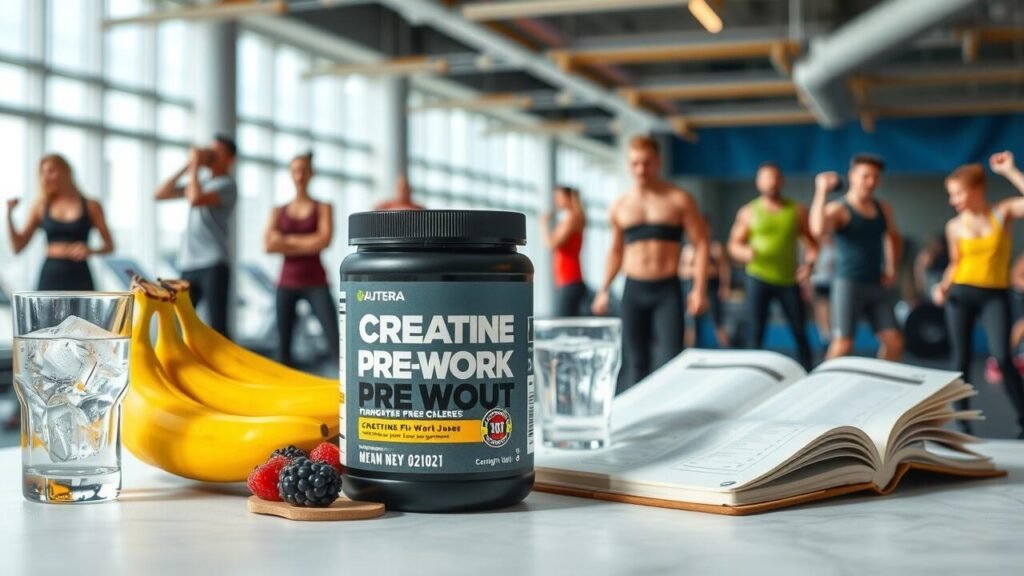
The Role of Nutrition in Performance
Proper nutrition plays a crucial role in optimizing athletic performance, especially for young athletes. A balanced diet provides the necessary energy and nutrients to support growth, development, and physical activity. For a 16-year-old boy, meeting caloric needs through whole foods is essential. These foods should include a variety of macronutrients and micronutrients to ensure overall health and enhance performance during training and competitions.
Hydration is another vital component of nutrition that significantly impacts performance. Dehydration can lead to decreased endurance and increased risk of injury. Young athletes should be aware of their fluid intake and make sure to drink enough water throughout the day and during workouts. Focusing on nutrition helps athletes build a solid foundation for their physical activities and fosters long-term health benefits.
Essential Nutrients for Young Athletes
Young athletes must prioritize balanced nutrition to support their growth and performance. Essential nutrients such as carbohydrates, proteins, fats, vitamins, and minerals play a vital role in fueling their bodies. Carbohydrates serve as the primary energy source, while protein aids in muscle repair and growth. Healthy fats contribute to overall energy and hormone production, which is crucial for athletic performance.
A diet rich in fruits, vegetables, whole grains, and lean proteins provides the necessary vitamins and minerals young athletes need for optimal function. Nutrients like calcium and vitamin D are especially important for developing bones and muscles. Iron is essential for oxygen transport in the body, impacting endurance and stamina. By focusing on these core elements, young athletes can create a solid foundation for their training and performance.
Athletic Goals and Supplement Use
Young athletes often focus on specific performance goals, such as enhancing strength, increasing endurance, or improving recovery times. These aspirations play a significant role in determining the use of supplements, including pre-workout formulas. For many, the pressure to excel in sports can influence their decisions about supplementation. A clear understanding of personal athletic objectives helps in identifying whether additional nutritional support is necessary.
Pre-workout supplements can appeal to athletes looking for a boost in energy or focus before training sessions. However, the effectiveness and safety of these products must be considered, particularly for adolescents. The ingredients in pre-workouts vary widely, and some may not be suitable for younger individuals. Understanding one’s fitness level and nutritional needs is essential before incorporating these supplements into a training regimen.
Evaluating the Need for Pre-Workout Supplements
Pre-workout supplements are frequently marketed towards athletes seeking to boost their performance, but a careful evaluation of their necessity is crucial. For a 16-year-old, natural energy sources such as a balanced diet, adequate sleep, and proper hydration often suffice to enhance physical capabilities. Engaging in regular strength and conditioning exercises can also promote energy levels without reliance on supplements. Many young athletes might not require additional stimulation, especially if they are just beginning their fitness journey.
Considering the age group, individual goals should guide the decision to use supplements. If the focus is on improving muscle strength, endurance, or overall athleticism, natural alternatives might be more beneficial. Consulting with a healthcare professional or a sports nutritionist can help clarify the specific needs of young athletes. Prioritizing whole foods rich in carbohydrates, proteins, and healthy fats can lay a solid foundation for performance while minimizing reliance on artificial enhancements.
Finding the Right Supplement
Young athletes must approach supplement selection with caution. It’s essential to focus on products that are tested and trusted by reputable organizations. Transparency regarding ingredient sourcing can also significantly impact safety. Reading labels helps identify hidden substances or excessive caffeine levels that might not be beneficial at a young age.
Researching the manufacturers can provide insight into their practices. Choosing products that have been third-party tested increases the likelihood of finding safe and effective supplements. Furthermore, consulting with a healthcare professional or a registered dietitian offers valuable guidance tailored to individual needs. This ensures that the supplement aligns with both athletic goals and overall health.
How to Choose Safe Products
Selecting safe supplements involves careful consideration of ingredients and their sourcing. Products that have undergone independent testing by organizations such as NSF International or Informed-Sport can provide assurance of quality and safety. Checking for third-party certifications helps ensure the product is free from banned substances and meets label claims. Researching the brand’s reputation and customer reviews can also offer insights into its reliability.
It is crucial to be aware of the caffeine content and other stimulants in pre-workout supplements. Young athletes should aim for products with minimal synthetic additives and fillers. Consulting with a healthcare provider or a nutritionist can provide personalized guidance, especially for teenagers whose bodies are still developing. Prioritizing whole food sources for energy and nutrition will always be beneficial in supporting athletic performance.
FAQS
Is it safe for a 16 year old boy to take pre-workout supplements?
Safety can vary depending on the specific supplement and the individual. It’s important to consult with a healthcare professional before starting any supplement, especially for minors.
What are the potential risks of pre-workout supplements for teens?
Potential risks include increased heart rate, elevated blood pressure, and possible adverse reactions to stimulants, which can be particularly concerning for younger individuals.
Are there natural alternatives to pre-workout supplements for young athletes?
Yes, young athletes can benefit from natural sources of energy such as whole foods, including fruits, oats, and nuts, which can provide sustained energy without the risks associated with supplements.
Should a 16 year old focus more on nutrition or supplements for athletic performance?
Nutrition should be the primary focus, as a well-balanced diet provides the essential nutrients needed for growth and performance. Supplements, if needed, should only complement a healthy diet.
How can a young athlete determine if they need a pre-workout supplement?
They should assess their athletic goals, energy levels, and dietary habits. Consulting with a coach or a nutritionist can help determine if supplements are necessary or beneficial.
Related Links
best pre workout for teens
Are pre-workouts safe for teenagers?
What is the best pre-workout for a 14-year-old?