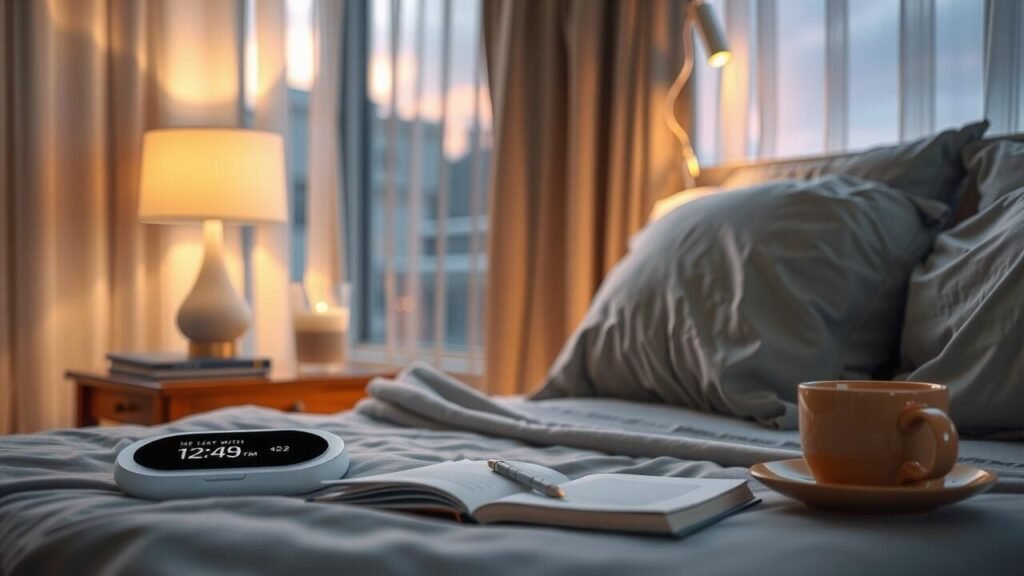
Optimal Humidity Levels for COPD Relief
Maintaining an optimal level of humidity is crucial for individuals with COPD. The ideal indoor humidity level typically ranges from 30% to 50%. This range can help ease breathing difficulties, reduce the risk of respiratory infections, and minimize the irritation caused by dry air. Higher humidity levels can create a more comfortable environment, particularly during winter months when indoor air can become excessively dry due to heating.
Too much humidity can also pose challenges, leading to mold growth and exacerbating respiratory issues. Regular monitoring of indoor humidity levels is key since it allows for timely adjustments if the air becomes too dry or overly moist. Utilizing a hygrometer can assist with this process, making it easier to manage and maintain a stable humidity level that supports better respiratory health.
Maintaining the Right Balance
Patients with COPD often benefit from maintaining optimal humidity levels at home. The ideal relative humidity for respiratory comfort typically ranges between 30% and 50%. When humidity levels dip below this range, the air can become excessively dry, leading to increased irritation of the airways and potential respiratory complications. Conversely, excessive humidity can promote mold growth and dust mites, which may exacerbate asthma symptoms and other respiratory issues. Regular monitoring with a hygrometer can help ensure that humidity levels stay within the recommended range.
Using a humidifier can enhance comfort for COPD sufferers, but it’s important to use it wisely. Consider the specific needs and sensitivities of the individual when selecting the type of humidifier. Evaporative, ultrasonic, or steam vaporizers each have unique features, advantages, and maintenance requirements. A well-maintained humidifier can improve air quality significantly, making breathing easier. However, neglecting to keep the device clean and free from harmful bacteria can do more harm than good.
Maintenance Tips for Humidifiers
Regular maintenance of your humidifier is essential to ensure its optimal performance and longevity. A thorough cleaning regime should be followed, typically once a week, to prevent the buildup of mineral deposits and mold. Distilled water is often recommended to minimize mineral accumulation, which can also reduce the frequency of cleaning. It’s important to empty the tank and dry it thoroughly when not in use. This practice helps in preventing stagnant water, which can lead to the growth of bacteria.
Replacing filters, when applicable, is another critical aspect of maintaining a humidifier. Filters trap impurities and need to be checked often for wear and tear. Consult the manufacturer’s guidelines for the precise replacement intervals. Additionally, checking for any hidden moisture leaks and ensuring that the humidifier remains in a well-ventilated area can help maintain its efficiency. Regular inspections enable timely identification of any operational issues, ensuring that the device remains safe for use in environments for COPD patients.
Ensuring Clean and Safe Operation
Regular maintenance is crucial for ensuring that a humidifier operates safely and effectively. This involves cleaning the unit according to the manufacturer’s instructions, which often suggests daily and weekly cleaning routines. Distilled water is typically recommended to minimize mineral build-up in the machine. This helps prevent bacterial growth and ensures that only clean, humidified air circulates in the space.
Additionally, checking the filter frequently can help maintain optimal performance. A dirty or clogged filter can lead to a decrease in humidity output and can even release contaminants into the air. Users should replace filters as needed or according to the manufacturer’s guidelines. Keeping the humidifier in a designated area away from dust and debris will also aid in maintaining a clean environment for effective operation.
Signs That You Need a Humidifier
Recognizing symptoms of dry air is essential for maintaining respiratory health. If you notice increased coughing, throat irritation, or dry nasal passages, these can indicate inadequate humidity levels in your environment. Additionally, if you frequently experience static electricity, dry skin, or chapped lips, it may be time to consider introducing a humidifier to your living space.
Allergy aggravation can also signal a need for better humidity control. Dry air can exacerbate conditions like asthma or allergic rhinitis. If you find that your allergies worsen during winter months or in air-conditioned spaces, a humidifier could help alleviate some of these symptoms while promoting a more comfortable atmosphere.
Recognizing Symptoms of Dry Air
Dry air can significantly impact the comfort and health of individuals, particularly those with respiratory conditions. Common symptoms include dry skin, cracked lips, and persistent cough. People might also experience increased nasal irritation, leading to difficulties in breathing or exacerbation of existing respiratory issues, such as asthma or COPD.
Another sign of inadequate humidity is static electricity. If you notice frequent shocks when touching metal surfaces or furniture, it could indicate that the air lacks moisture. Additionally, wooden furniture or floors may show signs of cracking or splitting, further suggesting that the environment could benefit from improved humidity levels for overall well-being.
FAQS
What type of humidifier is best for COPD patients?
The best humidifiers for COPD patients are typically cool-mist humidifiers or ultrasonic humidifiers, as they can provide moisture without raising the temperature of the air, which can be helpful for respiratory conditions.
How do I know if my home needs a humidifier?
Signs that you may need a humidifier include dry skin, frequent nosebleeds, persistent cough, or increased static electricity. If you notice these symptoms, it may indicate that the air in your home is too dry, which can aggravate COPD symptoms.
How can I maintain my humidifier for optimal performance?
To maintain your humidifier, regularly clean the unit according to the manufacturer’s instructions, replace filters when needed, and ensure that water is changed frequently to prevent the growth of mold and bacteria.
What are the optimal humidity levels for COPD patients?
The optimal humidity levels for COPD patients are typically between 30% and 50%. Maintaining this range can help alleviate symptoms and improve overall comfort.
Can using a humidifier worsen COPD symptoms?
While humidifiers are generally helpful, using them improperly or allowing humidity levels to exceed 50% can lead to mold growth and worsen respiratory issues. It’s important to monitor humidity levels and maintain proper maintenance.
Related Links
best humidifier for bedroom sleep
Is it good to sleep with a humidifier in your bedroom?
What type of humidifier is best for sleep?