Timing Your Pre-Workout Meal
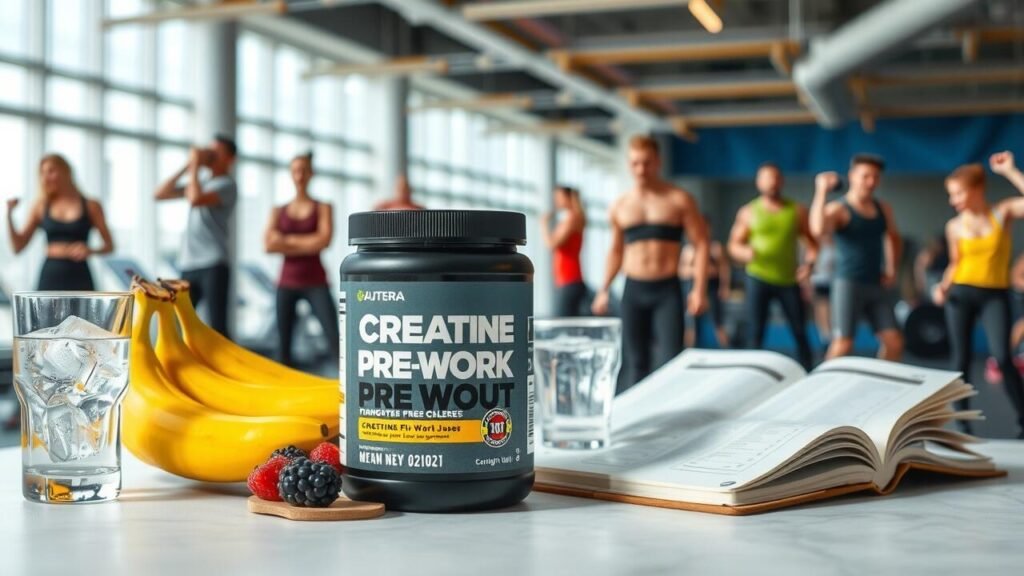
The timing of your pre-workout meal plays a crucial role in optimizing performance and enhancing energy levels. Eating too close to your workout can lead to discomfort and sluggishness. It is typically recommended to eat a balanced meal containing carbohydrates, protein, and a small amount of fat about three to four hours before exercising. For those who prefer a lighter option, a snack can be consumed closer to the workout, usually around 30 to 60 minutes prior.
Understanding individual digestion rates is essential when planning your pre-workout nutrition. Some people may find they need a longer time to digest before an intense session, while others can enjoy a quick snack without feeling weighed down. Experimenting with different food choices and timing can help determine what works best for your body and your energy needs during a workout.
When to Eat Before Exercising
Timing plays a crucial role in optimizing workout performance. Generally, it is advisable to consume a meal or snack about 1 to 3 hours before exercising. This window allows the body enough time to digest the food and convert it into usable energy. For those who prefer shorter intervals, a quick snack 30 minutes prior can still provide an efficient energy boost.
Individual preferences and digestive responses can vary. Some individuals may find they perform better with a full meal while others thrive on lighter snacks. Listening to your body and testing various timing strategies can help identify the optimal approach. Monitoring energy levels during workouts can provide valuable feedback for future pre-exercise nutrition decisions.
Snacks for Quick Energy
Incorporating quick snacks into your pre-workout routine can provide the necessary energy boost to enhance your performance. Opt for options rich in carbohydrates and moderate in protein. Snacks like a banana with a tablespoon of peanut butter or a small bowl of oatmeal topped with berries are excellent choices. These options digest quickly, ensuring energy is readily available during your workout.
For those on-the-go, portable snacks are essential. Consider energy bars that feature natural ingredients or homemade trail mix consisting of nuts, seeds, and dried fruit. Greek yogurt with honey also serves as a convenient option. Keeping these snacks easily accessible can turn a busy schedule into an opportunity for effective fueling, helping to maintain energy levels without feeling weighed down.
On-the-Go Options for Busy Lifestyles
For those with hectic schedules, convenient snacks can make a significant difference in maintaining energy levels before a workout. Portable options such as protein bars, nut butter packets, or yogurt can easily fit into a bag or purse. These items provide a quick source of carbohydrates and protein, ideal for fueling a workout. Additionally, fruits like bananas or apples require no preparation and offer essential vitamins and minerals.
Meal prep can also play a key role in ensuring access to healthy snacks. Pre-portioning items like trail mix, hummus with veggies, or hard-boiled eggs can save time and keep nutrition on track. Using small containers makes it easy to grab and go, ensuring that even the busiest individuals can maintain a balanced diet while fitting in their exercise routine.
Foods to Avoid Before Working Out
Certain foods can hinder performance when consumed prior to exercising. Heavy and greasy meals can lead to feelings of sluggishness or discomfort. High-fat options tend to digest slowly, making it harder for the body to receive the required energy quickly. Moreover, processed sugars may cause a quick spike in energy followed by a crash, affecting endurance during workouts.
Intake of high-fiber foods might also be best avoided right before a workout. While fiber is essential for a healthy diet, it can cause digestive issues if consumed too close to exercising. Symptoms such as bloating or cramping may occur, distracting from the workout experience. Paying attention to what to skip can significantly influence overall performance and comfort during physical activities.
Heavy and Greasy Foods to Stay Clear Of
Heavy and greasy foods can significantly hinder workout performance. These options may lead to sluggishness, digestive discomfort, and lack of energy. Foods like fried items, fatty meats, and creamy sauces can be particularly problematic. They tend to sit heavily in the stomach, making it difficult to engage in physical activity effectively.
Opting for lighter meals and snacks before exercising can enhance energy levels and focus. Foods high in healthy fats, such as avocados or nuts, can be beneficial when consumed in moderation. It is essential to prioritize easily digestible options to maintain optimal performance during workouts and avoid any unwelcome gastrointestinal issues.
FAQS
What should I eat before a workout?
Ideally, a combination of carbohydrates and protein, such as a banana with peanut butter or yogurt with fruit, can provide the energy you need for your workout.
How long before exercising should I eat?
It’s generally recommended to eat a pre-workout meal about 1 to 3 hours prior to exercising. This timing allows your body to digest and begin using the nutrients effectively.
What are some quick snacks for energy before a workout?
Quick snacks like energy bars, Greek yogurt, or a small smoothie can provide a quick boost of energy and are easy to consume on the go.
Are there specific foods I should avoid before exercising?
Yes, it’s best to avoid heavy and greasy foods, as well as high-fiber items, which can cause discomfort and hinder your performance during workouts.
Can I eat fruit as a pre-workout snack?
Absolutely! Fruits like bananas, apples, and berries are excellent choices for pre-workout snacks because they are high in carbohydrates and easy to digest.
Related Links
best pre workout meal
What should I eat 30 minutes before a workout?
Roundup of Nutrient-Dense Foods for Optimal Pre-Workout Energy