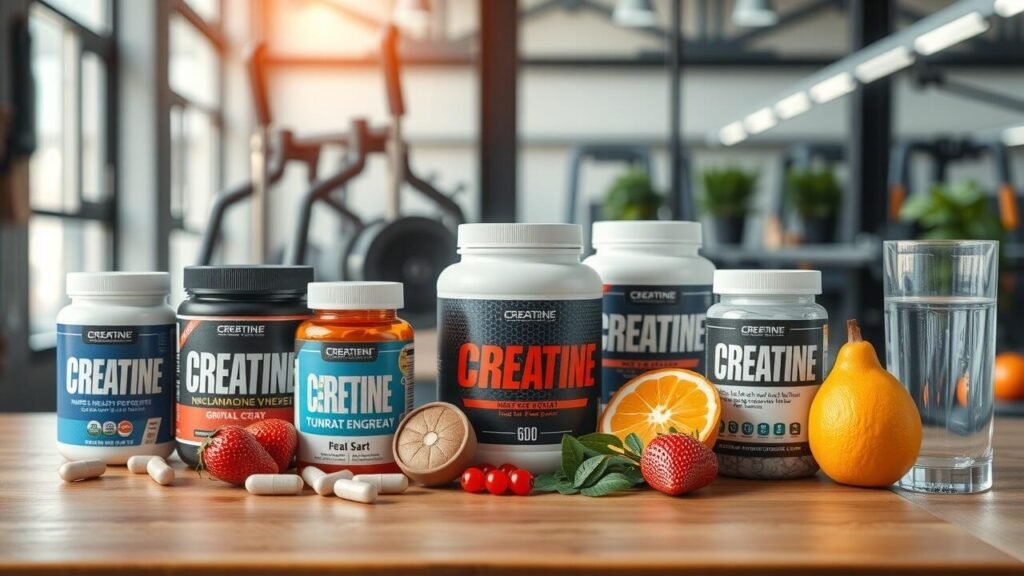
Testing for Effectiveness
Creatine monohydrate is widely studied for its impact on athletic performance and muscle growth. Numerous research studies consistently highlight its ability to enhance strength, increase lean muscle mass, and improve recovery times. The effectiveness of a particular brand often hinges on the purity of the ingredients. High-quality creatine should undergo rigorous testing to ensure it meets safety standards and delivers the expected results.
When assessing the performance of creatine products, several factors come into play. The bioavailability of creatine can vary among brands, influencing how well it is absorbed by the body. Additionally, third-party testing can provide insights into the concentration of active ingredients, ensuring the product contains what it claims. User testimonials and independent reviews can further help in evaluating a brand’s effectiveness, contributing to informed consumer choices.
How to Evaluate Creatine Performance
Several factors contribute to the overall performance of creatine supplements. One crucial aspect is the rate at which creatine saturates the muscles, which can vary among individuals depending on factors such as diet, exercise intensity, and overall metabolism. The effectiveness of the product may also be reflected in the results users experience, such as improved strength, enhanced recovery, and increased muscle mass over time.
Another key element is the purity and formulation of the creatine itself. High-quality brands often provide creapure or similar pure forms of creatine monohydrate. Evaluating third-party testing and certifications can help ensure that the product is free from contaminants and adheres to safety standards. User reviews and testimonials can offer valuable insights into the experiences of others, helping to gauge the reliability and effectiveness of specific brands on the market.
Dietary Considerations
When choosing a creatine monohydrate supplement, it’s essential to consider dietary restrictions and preferences. Many products are derived from synthetic sources, making them suitable for vegetarians and vegans. However, individuals should still verify labels to ensure that no animal-derived ingredients are used in the manufacturing process. Additionally, some formulations may include additives, flavors, or sweeteners that could conflict with specific dietary needs.
For those on restrictive diets, such as gluten-free or keto, reading labels is crucial. Many creatine supplements are free from gluten, but cross-contamination can occur during manufacturing. The ketogenic diet often emphasizes low carbohydrate intake, so understanding the carbohydrate content in flavored creatine powders is important. Selecting options that align with personal dietary goals will enhance the overall effectiveness and satisfaction of using creatine.
Suitable for Various Diets
Many individuals seek supplements that align with their dietary preferences. Creatine monohydrate has gained popularity among athletes and fitness enthusiasts, and its versatility makes it compatible with various diets. Whether one follows a vegetarian, vegan, or ketogenic plan, creatine does not contain any animal-derived ingredients. This aspect opens the door for individuals with diverse dietary restrictions to incorporate this supplement into their regimen.
Those adhering to a gluten-free diet can also benefit from creatine monohydrate, as it is naturally gluten-free. This allows athletes with celiac disease or gluten sensitivities to safely use the supplement without compromising their health. Additionally, creatine can easily be added to drinks or foods without disrupting meals, making it a convenient choice for anyone looking to enhance their athletic performance or overall health.
Pricing Structure of Creatine Products
When exploring the range of creatine monohydrate products, it’s crucial to consider their pricing structures. Prices can vary significantly based on brand reputation, purity, and packaging. Premium brands often emphasize their manufacturing processes and ingredient sourcing, which can lead to higher costs. In contrast, lesser-known brands may offer more affordable options, though the quality and effectiveness could vary. This price discrepancy can provide room for consumers to choose according to their budget or specific performance goals.
Another aspect to consider is the packaging size. Creatine is frequently sold in varying quantities, ranging from small tubs to larger bulk containers. Generally, buying in bulk offers a better cost-per-serving value. However, for those new to creatine or unsure of how their body will respond, starting with a smaller package might be a wiser choice. Evaluating these factors can help individuals identify an option that aligns with their needs while ensuring they receive quality supplementation.
Understanding Different Packaging Options
Creatine monohydrate is available in various packaging options, including bulk containers, single-serving packets, and capsules. Bulk containers tend to offer a more economical choice, especially for individuals who regularly incorporate creatine into their supplement regimen. This option allows users to customize their serving size according to personal preferences, making it cost-effective for long-term use.
Single-serving packets provide convenience, particularly for those who travel frequently or prefer to avoid measuring out doses. These packets ensure precise dosages while minimizing mess. On the other hand, capsules cater to those who dislike the texture or taste of powdered supplements. Each packaging type has its advantages, allowing consumers to choose based on convenience and personal use habits.
FAQS
What is creatine monohydrate?
Creatine monohydrate is a popular dietary supplement that helps enhance muscle mass, strength, and exercise performance by increasing the availability of creatine in the muscles.
How do I determine the best brand of creatine monohydrate?
The best brand can be determined by evaluating factors such as product effectiveness, purity, third-party testing, customer reviews, and pricing.
Are there any dietary restrictions when taking creatine monohydrate?
Creatine monohydrate is generally suitable for most diets, including vegetarian and vegan diets, as it is a synthetic compound. However, it’s always best to consult a healthcare professional if you have specific dietary concerns.
What should I look for in a creatine monohydrate product?
Look for products that have been tested for purity, contain no additional fillers or additives, and have positive reviews regarding their effectiveness and taste.
Is creatine monohydrate safe for long-term use?
Yes, creatine monohydrate is generally considered safe for long-term use when taken as directed. However, it’s advisable to consult a healthcare professional before starting any new supplement regimen.
Related Links
best creatine monohydrate
Which is the No. 1 creatine brand?
Which brand is best for creatine?