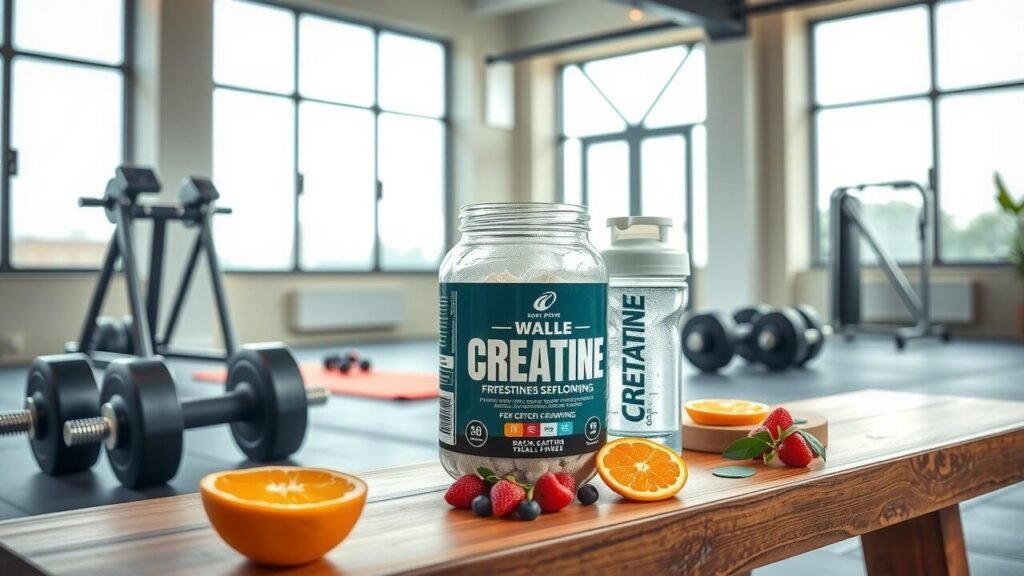
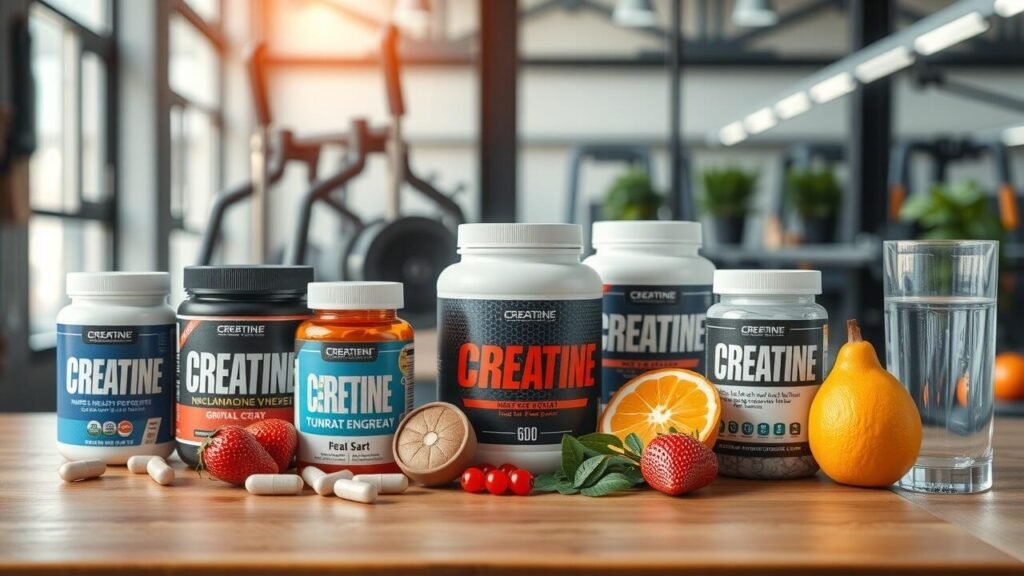
Popular Types of Creatine on the Market
Creatine monohydrate is the most widely researched and commonly used form of creatine. It is known for its effectiveness in increasing muscle mass and enhancing strength during high-intensity workouts. Many athletes and fitness enthusiasts prefer it because of its affordability and availability. Several studies support its benefits, making it a go-to choice for those looking to improve their performance.
Another popular variant is creatine ethyl ester, which is marketed as having superior absorption qualities. Proponents claim that it minimizes bloating and gastrointestinal distress. However, research on its efficacy compared to monohydrate is mixed. Other forms, such as buffered creatine and creatine hydrochloride, also exist. They are designed to be gentler on the stomach or to enhance bioavailability, appealing to those who may experience discomfort with traditional options.
Comparing Monohydrate, Ethyl Ester, and Other Forms
Creatine monohydrate remains the most studied and widely used form of creatine due to its proven efficacy and affordability. Many athletes and bodybuilders prefer this traditional form, as it has been shown to enhance strength, power, and muscle mass effectively. Its high bioavailability ensures that a large percentage is absorbed by the body, leading to noticeable improvements in performance during high-intensity workouts. The simplicity of creatine monohydrate also appeals to consumers, as it typically contains fewer additives and impurities, making it a go-to choice for those seeking purity.
In contrast, ethyl ester creatine claims to offer enhanced absorption and reduce the bloating that some users experience with monohydrate. However, research supporting its superiority is limited, leading to debate among fitness enthusiasts. Other variations, such as buffered or micronized creatine, aim to address some concerns related to gastrointestinal discomfort and absorption rates. Each form has its advocates, and the choice often hinges on personal preferences, budget considerations, and experiences with different types. Users should weigh the benefits and evidence of each form carefully before making a decision.
Impact of Clean Creatine on Athletic Performance
Athletes increasingly seek ways to enhance their performance, and clean creatine is a significant consideration. When creatine is free from contaminants and impurities, it allows athletes to experience the benefits more effectively. This leads to better energy production during high-intensity workouts. Clean creatine may contribute to improved endurance and strength, providing an advantage in competitive sports.
The purity of creatine also plays a direct role in muscle recovery. Cleaner forms minimize digestive distress commonly associated with lower-quality supplements. With improved absorption, users often report a reduction in soreness post-exercise. This enhancement in recovery time can lead to more consistent training regimens and ultimately better results.
How Purity Enhances Muscle Growth and Recovery
The purity of creatine plays a crucial role in its effectiveness for muscle growth and recovery. High-quality creatine supplements often contain fewer impurities and untested ingredients. This results in better absorption by the body, allowing for more efficient energy production in muscle cells. When athletes use cleaner forms of creatine, they may experience improved strength and endurance during workouts, which can lead to greater gains over time.
In addition to enhancing performance, clean creatine can significantly aid in recovery. The absence of contaminants helps minimize the risk of gastrointestinal discomfort, a common issue with some lower-quality supplements. By promoting faster muscle recovery after intense workouts, purer creatine enables athletes to train more frequently and with higher intensity. This cycle of performance and recovery contributes to overall muscle growth and improved athletic results.
User Reviews on Creatine Purity
Consumers often emphasize the importance of purity when selecting a creatine supplement. Many reviews highlight the noticeable differences in performance and digestive comfort associated with cleaner products. Users frequently report improved energy levels and reduced bloating when opting for high-purity creatine formulations. This past feedback suggests that those who prioritize clean supplements often experience a more seamless integration into their fitness routines.
Feedback commonly showcases both enthusiasm for results and a critical eye for ingredient quality. Many users post specific experiences that illustrate how superior purity correlates with better muscle recovery and less post-workout soreness. As a result, reviews serve as a valuable resource for fitness enthusiasts seeking reliable information. This focus on ingredient transparency resonates with a health-conscious audience aiming to optimize their athletic potential.
Analyzing Consumer Feedback and Experiences
Consumers often emphasize the importance of purity in creatine supplements. Many users report noticeable differences in their workout performance when switching to products labeled as “clean” or “pure.” Feedback frequently highlights improved energy levels and reduced gastrointestinal discomfort, conditions that can arise from lower-quality creatine. When creatine blends have fewer additives and fillers, users tend to experience a smoother transition and overall enhanced results.
Review platforms reveal a spectrum of opinions, with numerous testimonials praising brands that prioritize higher standards of manufacture. Users express a preference for transparency in ingredient sourcing and testing, often leading them to trust brands that showcase third-party verification. Overall experiences indicate that consumers value not only the effectiveness of the supplement but also the reputation and integrity of the manufacturers behind them.
FAQS
What is creatine and why is it important for athletes?
Creatine is a naturally occurring compound found in small quantities in certain foods and synthesized in the body. It plays a crucial role in energy production during high-intensity exercise, helping to improve performance, increase strength, and aid muscle recovery.
What are the most popular types of creatine available on the market?
The most popular types of creatine include creatine monohydrate, creatine ethyl ester, buffered creatine, and creatine hydrochloride. Each type has its own unique properties and potential benefits.
How does the purity of creatine affect its effectiveness?
Higher purity levels in creatine supplements can enhance their effectiveness by reducing the likelihood of contaminants and additives, which can lead to better absorption and performance benefits.
What should I look for when selecting a clean creatine supplement?
When choosing a clean creatine supplement, look for products that have undergone third-party testing for purity, have clear ingredient labels, and are free from additives, fillers, or artificial substances.
Can user reviews provide insight into the purity of creatine products?
Yes, user reviews can be helpful in providing insight into the effectiveness and purity of creatine products. Analyzing consumer feedback can reveal experiences related to performance, side effects, and overall satisfaction with the product.
Related Links
best third party tested creatine
Should creatine be third-party tested?
What is the best 3rd party tested creatine?