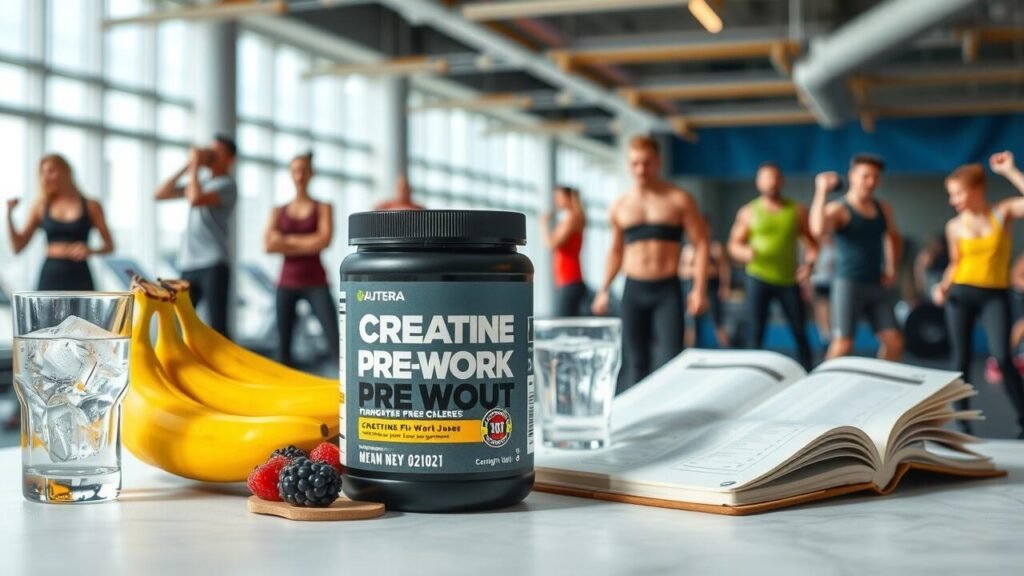
Potential Side Effects of Pre-Workout Supplements
Pre-workout supplements can sometimes trigger various side effects that users should consider. Common reactions include increased heart rate, anxiety, digestive issues, and insomnia. The stimulants present in these formulations, such as caffeine, can significantly affect individuals differently depending on their sensitivity levels. Some users may experience jitters or heightened feelings of nervousness, which can detract from workout performance.
Additionally, relying on these supplements could lead to a cycle of dependence for energy boosts. Over time, users might find themselves needing higher doses to achieve the same effects, increasing the risk of adverse reactions. Staying informed about ingredient labels and dosages is crucial for minimizing potential side effects. Listening to one’s body remains essential when determining whether to continue or adjust pre-workout use.
Common Reactions and How to Mitigate Them
Pre-workout supplements can lead to several common reactions among users. Some individuals report experiencing jitters or a rapid heartbeat, largely due to high caffeine content. Others might face digestive issues, including nausea or bloating, especially if they take the supplement on an empty stomach. It’s essential for users to pay attention to their bodies and note any adverse reactions that may arise during workouts.
To mitigate these side effects, individuals can start with a smaller dosage to gauge their tolerance before increasing. Drinking plenty of water alongside the supplement may help reduce digestive discomfort. Consuming the supplement after eating can also prevent nausea. Choosing pre-workout formulas that are lower in caffeine or opting for caffeine-free versions can benefit those sensitive to stimulants.
Natural Alternatives to Pre-Workout Supplements
For those looking to boost their energy without relying on pre-workout supplements, natural options abound. Simple foods such as bananas and oats provide carbohydrates for energy, while nuts and seeds offer healthy fats and protein. A combination of these foods can fuel a workout effectively, providing sustained energy levels. Additionally, incorporating nutrient-rich smoothies into a pre-workout routine can optimize performance. Blending fruits with spinach or kale, along with a source of protein, creates a well-rounded and energizing drink.
Certain beverages also serve as natural energy boosters. Green tea contains caffeine and antioxidants, contributing to improved focus and endurance. Coconut water offers electrolytes and hydration, making it an excellent choice for those engaged in intense workouts. Another option is beet juice, known for promoting blood flow and enhancing overall performance. These alternatives not only enhance energy levels but also contribute to overall health and recovery.
Foods and Drinks to Boost Your Energy
Many athletes seek energy-boosting options that are both nutritious and easily accessible. Bananas are a popular choice due to their high potassium content and natural sugars, providing a quick energy release. Another excellent option is oatmeal, which offers complex carbohydrates that digest slowly, ensuring sustained energy throughout workouts. Additionally, adding a handful of nuts can enhance energy levels due to their healthy fats and protein.
Hydration plays a crucial role in maintaining energy levels during intense workouts. Coconut water serves as a natural alternative to sugary sports drinks, supplying electrolytes and rehydration. For those looking for a caffeine boost, green tea or matcha provides a gentler lift compared to traditional coffee. Pairing these drinks with snacks rich in protein and carbohydrates can maximize energy retention while encouraging optimal performance.
The Role of Hydration in CrossFit Performance
Maintaining proper hydration is crucial for optimal performance in high-intensity workouts like CrossFit. When the body is well-hydrated, it can efficiently regulate temperature, lubricate joints, and transport nutrients. Dehydration can lead to decreased endurance, increased perceived exertion, and impaired recovery. As CrossFit often involves heavy lifting and intense cardio, the need for hydration becomes even more pronounced.
During workouts, athletes lose fluids through sweat, which can significantly impact performance. It is important to drink water before, during, and after exercise to replenish lost fluids. Additionally, electrolytes play a key role in hydration. Consuming beverages that contain electrolytes can help maintain the balance of minerals in the body, supporting overall function and enhancing workout efficiency.
How Water Intake Influences Your Workout
The body relies heavily on water to function properly during intense physical activity. Adequate hydration helps maintain optimal performance by regulating body temperature, lubricating joints, and supporting cardiovascular function. When dehydrated, individuals may experience a decrease in strength and endurance, leading to subpar workouts. Even minor fluctuations in hydration can impact an athlete’s ability to perform at their best, making it essential to pay attention to water intake.
In CrossFit, where high-intensity movements are performed continuously, staying hydrated becomes increasingly important. Dehydration can lead to fatigue, cramps, and a reduced overall athletic performance. Athletes should aim to drink water before, during, and after their workouts to keep their bodies functioning efficiently. Recognizing the signs of dehydration, such as dry mouth and decreased urine output, can help individuals make better decisions regarding their hydration strategy.
FAQS
Do crossfitters commonly take pre-workout supplements?
Yes, many crossfitters use pre-workout supplements to enhance their energy levels, focus, and overall workout performance. However, individual preferences and tolerances vary.
What are the potential side effects of pre-workout supplements?
Common side effects can include jitters, increased heart rate, digestive issues, and insomnia. It’s important to start with a lower dose to assess tolerance.
Are there natural alternatives to pre-workout supplements for crossfitters?
Yes, natural alternatives include whole foods like bananas, oats, and smoothies, as well as beverages like coffee or green tea, which can provide an energy boost without added artificial ingredients.
How does hydration impact CrossFit performance?
Proper hydration is crucial for optimal performance in CrossFit. Dehydration can lead to fatigue, decreased strength, and impaired cognitive function, negatively affecting workouts.
What are some easy ways to ensure adequate water intake before a workout?
To ensure proper hydration, drink water throughout the day, consume hydrating foods like fruits and vegetables, and consider a pre-workout drink 30-60 minutes before your session.
Related Links
best pre workout for CrossFit
What is the 80 20 rule in CrossFit?
Can CrossFit lower cholesterol?