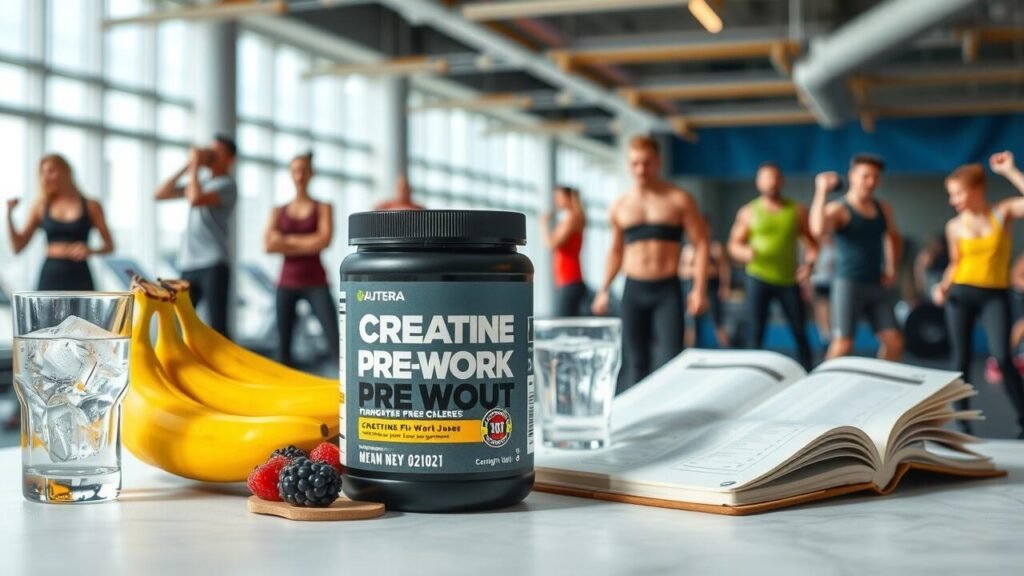
How to Choose the Best Pre-Workout for You
The best pre-workout for an individual often depends on personal fitness goals, dietary preferences, and tolerance to ingredients. It is important to assess what specific enhancements are desired, such as energy, strength, endurance, or focus. Those aiming for high-intensity workouts may benefit from a product rich in stimulants like caffeine, while someone looking for sustained energy might prefer a balanced blend of carbohydrates and amino acids. Timing is also crucial; therefore, understanding how different ingredients function can guide consumers towards a choice that aligns with their workout schedule.
Ingredients are a critical factor when selecting a pre-workout supplement. Common components include beta-alanine for endurance, creatine for strength, and citrulline malate for blood flow. Reading labels is essential to ensure the dosage aligns with personal needs and sensitivities. Additionally, potential side effects, such as jitters or digestive issues, should be taken into account. For those with dietary restrictions, looking for vegan or gluten-free options can further tailor the selection process to meet individual health requirements.
Factors to Consider Based on Fitness Goals
Understanding your fitness goals is essential when selecting a pre-workout supplement. If your objective is to build muscle mass, look for products rich in branched-chain amino acids (BCAAs) and protein, which aid in recovery and muscle synthesis. Conversely, those focused on weight loss may benefit from pre-workouts containing ingredients like caffeine and green tea extract, known to boost metabolism and enhance fat oxidation. Different formulations cater to distinct needs, making it crucial to align product choice with individual aspirations.
Endurance athletes should consider formulations that emphasize sustained energy release, often incorporating carbohydrates and electrolytes. These ingredients help maintain performance and hydration during prolonged workouts. On the other hand, for high-intensity interval training or explosive power training, seek out pre-workouts that include high doses of citrulline and beta-alanine, which may support explosive strength and reduce muscle fatigue. Tailoring your pre-workout selection must reflect specific performance needs to maximize results.
Timing Your Pre-Workout Intake
The timing of your pre-workout intake plays a crucial role in maximizing its effectiveness. Generally, most experts recommend consuming a pre-workout supplement 30 to 60 minutes before exercise. This window allows the ingredients to be digested and enter your bloodstream, so they can start to enhance your energy, focus, and endurance during your workout.
Individual factors may influence how one should time their pre-workout consumption. Some individuals may find that taking it too early diminishes its effects by the time they start working out. On the other hand, if taken too late, it may lead to digestive discomfort. Therefore, experimenting with different timing can help you discover what works best for your personal routine and fitness goals.
When to Take Pre-Workout for Optimal Results
Timing your pre-workout intake significantly impacts your exercise performance. For most pre-workout supplements, taking them approximately 30 to 45 minutes before your workout yields the best results. This timeframe allows the ingredients to be absorbed and begin acting in your body, providing the necessary energy and focus needed for your training session. Individual variations, such as metabolism and sensitivity to stimulants, can alter this recommended window slightly, so personal experimentation may be beneficial.
In certain scenarios, adjusting the timing might be advantageous. If your workout is particularly intense or lengthy, consuming your pre-workout closer to the hour mark may enhance endurance and reduce fatigue. Conversely, if you are sensitive to stimulants, a longer gap may help mitigate feelings of jitteriness. Understanding how your body responds to different timing can optimize your results and help you achieve your fitness goals more effectively.
Comparing Powdered vs. Liquid Pre-Workouts
Both powdered and liquid pre-workouts have their unique advantages that cater to different preferences and lifestyle choices. Powdered pre-workouts often provide a customizable option, allowing users to adjust dosage according to their specific needs. They typically come in larger servings, which can be beneficial for those looking for higher caffeine or ingredient concentrations. The variety of flavors also adds a fun element, making taste selection an enjoyable part of workout preparation.
Liquid pre-workouts offer convenience and rapid absorption. Their ready-to-drink nature allows athletes to skip the mixing process, saving valuable time before training. These drinks often contain fewer ingredients compared to their powdered counterparts, which can simplify consumption and help avoid potential stomach discomfort. For individuals on-the-go, liquid pre-workouts present an accessible option without sacrificing effectiveness.
Which Form is More Effective?
The effectiveness of pre-workout supplements can vary based on their form. Powdered versions typically offer a concentrated blend of ingredients that may include stimulants, amino acids, and creatine. Users can customize the dosage by adjusting the amount of powder mixed with water, which allows for flexibility based on individual tolerance and preferences. Many athletes appreciate the strong flavor and immediate effects associated with powdered pre-workouts, often experiencing a quick energy boost.
Liquid pre-workouts also have their advantages, particularly in convenience and faster absorption. They are easy to consume on the go, making them an appealing choice for those with busy schedules. The liquid format often ensures that nutrients are quickly available in the bloodstream, which can enhance performance during workouts. However, they may lack the same level of customization found in powdered supplements, limiting users’ ability to tailor their intake precisely. Each form has its own set of benefits and potential downsides, making the choice largely dependent on personal preferences and fitness routines.
FAQS
What is a pre-workout supplement?
A pre-workout supplement is designed to enhance performance during exercise by increasing energy, endurance, and focus. These supplements typically contain ingredients like caffeine, amino acids, and various vitamins to help maximize workout efficiency.
How do I know which pre-workout is best for my fitness goals?
To choose the best pre-workout for your fitness goals, consider factors such as the type of exercise you plan to do, your energy needs, ingredient preferences, and any dietary restrictions. It’s also helpful to read labels and consult with a healthcare professional if needed.
When is the best time to take a pre-workout supplement?
The best time to take a pre-workout supplement is generally 20 to 30 minutes before your workout. This timing allows the ingredients to take effect, enhancing your performance during exercise.
Should I choose powdered or liquid pre-workouts?
Both powdered and liquid pre-workouts have their advantages. Powders can be more customizable in terms of dosage and flavors, while liquids may be more convenient for on-the-go use. Ultimately, the best choice depends on personal preference and lifestyle.
Are there any side effects associated with pre-workout supplements?
Yes, potential side effects can include jitteriness, increased heart rate, digestive issues, and insomnia, particularly if the supplement contains high levels of caffeine. It’s important to start with a lower dosage to assess your tolerance and consult with a healthcare provider if you have concerns.
Related Links
best pre workout subscription
What is the best workout subscription?
What is the highest rated pre-workout?